
Views: 0 Author: Site Editor Publish Time: 2026-05-01 Origin: Site


Formaldehyde possesses a unique dual nature in modern industry. Manufacturers produce over 26 million tons of this chemical annually. It remains one of the most economically critical chemical building blocks globally. Yet, it carries severe health risks. Regulators monitor these hazards closely. Organizations face a distinct business challenge today. They must balance the functional indispensability of formaldehyde in their products against tightening federal oversight. Stricter occupational exposure limits elevate liability risks. You need clear strategies to navigate these manufacturing hurdles.
This article provides a comprehensive breakdown of primary formaldehyde uses across various sectors. We will explore the evolving regulatory landscape affecting your daily operations. You will also learn practical frameworks for compliance and risk mitigation. These steps will help secure your facility and protect your supply chain workforce.
Widespread Application: Formaldehyde is essential in manufacturing composite wood, aerospace materials, automotive components, and medical preservatives due to its unmatched bonding and functional efficiency.
Tightening Regulations: Recent updates from the EPA (including 2024 TSCA and FIFRA risk evaluation drafts) signal stricter compliance requirements for manufacturers and employers.
Proven Health Risks: Long-term exposure is definitively linked to certain rare cancers and myeloid leukemia, making proactive monitoring non-negotiable.
Compliance Solutions: Risk mitigation requires a multi-layered approach, ranging from sourcing ULEF/NAF (Ultra-Low Emitting / No Added Formaldehyde) materials to implementing continuous IoT environmental monitoring.
Industries rely heavily on this volatile organic compound (VOC). It acts as a permanent, high-strength binding agent. The chemical serves as a vital cross-linking precursor for complex polymers. When it reacts, it forms a resilient three-dimensional web. This molecular structure creates thermosetting plastics. These durable plastics maintain their shape perfectly. They do not melt or warp under intense heat. This stability makes the compound structurally irreplaceable for heavy-duty manufacturing.
Few organic molecules achieve these structural results so efficiently. It delivers exceptional heat resistance and tensile strength. Furthermore, it achieves this at a highly competitive economic cost. This creates an unmatched cost-to-performance ratio for manufacturers. High resource efficiency means companies waste fewer materials during production. Energy consumption also remains relatively low. You simply cannot find a synthetic substitute offering identical benefits cheaply.
We must also clarify a common chemical reality. You need to distinguish manufacturing usage from residual presence. Manufacturers use large quantities during the initial synthesis phase. However, the curing process often consumes the chemical entirely. The compounds lock together permanently. In many end products, this leaves minimal off-gassing risk. The distinction matters greatly for supply chain safety. It helps explain why highly regulated industries still depend on it.
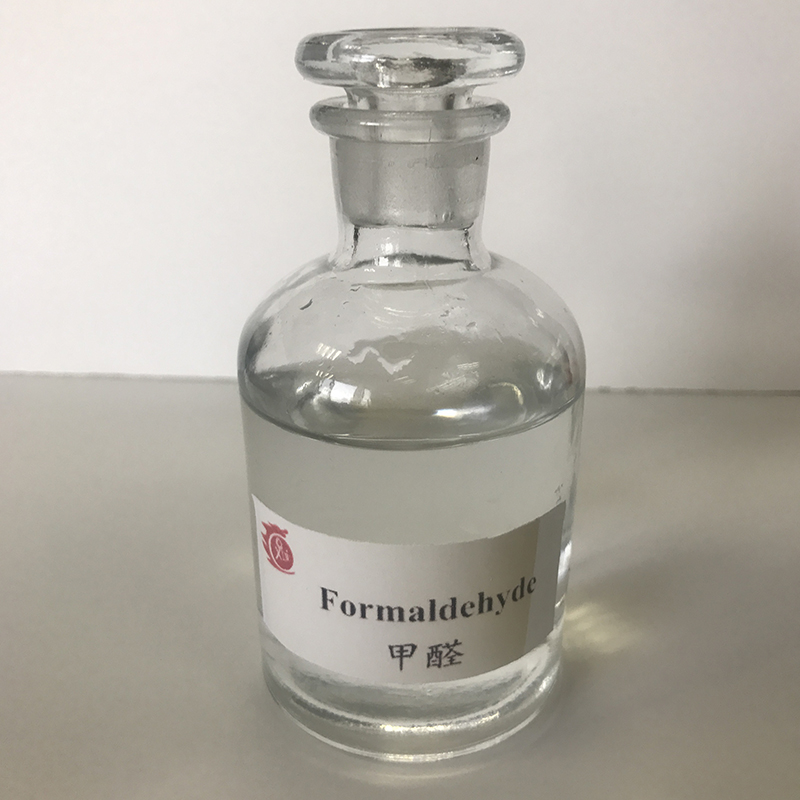
The construction sector consumes the largest volume of these resins. Builders rely heavily on urea-formaldehyde and phenol-formaldehyde. Manufacturers use them to create durable pressed wood products. Common examples include particleboard, plywood, and medium-density fiberboard (MDF). Carpet adhesives also utilize these strong bonding agents. Phenol-formaldehyde offers excellent water resistance. Therefore, builders often use it for exterior-grade structural panels.
Engineers depend on these compounds for modern lightweighting initiatives. They replace heavy metal parts beneath the hood. Durable, heat-resistant plastics improve vehicle fuel efficiency significantly. Electric vehicles gain extended battery range through this weight reduction. Commercial aircraft cabins also utilize these advanced materials extensively. You will find them in polyurethane foam seating. Flame-retardant honeycomb materials inside cabin walls also rely on these chemical bonds.
We see irreplaceable functions in biological and mortuary science. Anatomical pathology uses the solution for tissue fixation. It preserves tissue integrity flawlessly. It prevents natural decay during long-term transport. Medical device manufacturing also depends heavily on this compound. It helps produce life-saving tools like synthetic heart valves and pacemakers. Finally, facilities deploy it for strict environmental sanitation. It serves as a potent industrial disinfectant. It demonstrates high efficacy against resilient bacteria and fungi.
Industry Sector | Primary Application | Key Benefit / Function |
|---|---|---|
Construction | MDF, Plywood, Adhesives | High tensile strength and permanent moisture-resistant bonding. |
Automotive | Under-hood plastics, Brake pads | Extreme heat resistance and vehicle lightweighting. |
Aerospace | Cabin panels, Polyurethane foam | Flame retardancy and high impact resistance. |
Healthcare | Tissue fixation, Sterilization | Prevents biological decay and destroys resilient pathogens. |
You cannot ignore the documented health hazards. Acute exposure triggers immediate physical reactions. Workers often experience eye, nose, and throat irritation. High airborne concentrations cause severe respiratory distress. Chronic exposure introduces far more dangerous consequences over time. The National Toxicology Program (NTP) recognizes it as a known human carcinogen. Epidemiological evidence shows clear danger for long-term workers. Animal and mechanistic studies support these findings thoroughly. Long-term inhalation links definitively to myeloid leukemia and rare sinonasal cancers.
Regulatory agencies are shrinking their tolerance for occupational exposure. The EPA published a new TSCA risk evaluation draft in 2024. This draft assesses an "unreasonable risk" to human health. It signals potential future restrictions across multiple industries. Meanwhile, OSHA enforces strict permissible exposure limits (PELs). Employers in manufacturing and mortuary settings must follow these limits strictly. For consumer goods, the California Air Resources Board (CARB) leads the way. The CARB Phase 2 emissions standard acts as the defacto national baseline. It dictates acceptable off-gassing rates for all composite wood products.
You must understand how VOCs release into the air. Volatile compounds escape from solid materials gradually over time. We call this process off-gassing. Environmental variables drastically influence the emission rate. Elevated indoor temperatures accelerate the chemical release. High humidity opens material pores and speeds vaporization exponentially. A hot, humid warehouse creates a dangerous spike in ambient concentration.
Safety managers must locate specific danger areas immediately. High-risk zones share common characteristics regarding ventilation and material density. Watch out for these specific environments:
Manufacturing floors: Areas mixing or applying raw chemical resins.
Storage warehouses: Spaces holding newly unwrapped pressed-wood pallets.
Preparation rooms: Unventilated or poorly exhausted mortuary spaces.
Furniture showrooms: Confined rooms displaying brand-new composite cabinetry.
You must establish strict evaluation criteria for indoor air quality (IAQ). Traditional spot-testing provides only a brief snapshot. It often misses dangerous peak exposure events. Continuous monitoring offers a far superior safety net. You need to implement a structured auditing process. Consider the following chronological steps to evaluate your workspace properly:
Map the airflow: Identify HVAC intake and exhaust points across the facility.
Locate source materials: Document all unsealed composite woods or liquid resin stations.
Deploy sensors: Place monitors near breathing zones in high-risk locations.
Analyze peak events: Review data during the hottest, most humid shifts.
Document compliance: Log all exposure levels to satisfy OSHA reporting requirements.
Effective safety always begins at the procurement level. You should evaluate vendors based on strict material certifications. Mandate the use of "Exterior-grade" pressed woods where possible. These utilize phenol resins, emitting far fewer VOCs. Alternatively, source materials certified as ULEF (Ultra-Low Emitting Formaldehyde). You can also request NAF (No Added Formaldehyde) composite boards. For bulk furniture deliveries, establish a pre-delivery protocol. Require your vendors to off-gas products in their warehouses first. This keeps peak emissions away from your office staff.
You must control the physical environment to limit off-gassing. Maintain strict climate control across your facility constantly. Lowering ambient humidity prevents moisture from driving chemical release. Keeping temperatures cool reduces the compound's vapor pressure. Furthermore, you must design robust ventilation systems. These systems should exceed baseline air exchange rates significantly. High-risk zones require dedicated exhaust fans. They should pull contaminated air directly outside. Do not recirculate this air back into the main building.
Modern compliance requires modern technological solutions. Spot checks no longer provide adequate liability protection. You should implement continuous environmental sensors immediately. These IoT devices detect ambient levels in real time. Configure these systems for intelligent predictive safety. For example, connect the sensors to your HVAC network. The system can trigger increased exhaust rates automatically. It activates the moment threshold limits are approached. It also generates automated compliance logs continuously. This data proves invaluable during surprise OSHA audits. It protects your workforce proactively.
Formaldehyde remains an indispensable tool across modern industry today. Sectors from aerospace engineering to healthcare rely on its unique properties. It delivers incredible structural strength and exceptional biological preservation. However, the regulatory tolerance for occupational and consumer exposure is rapidly shrinking. Government agencies view long-term inhalation risks very seriously. As an organizational leader, you must adapt to these tightening standards. Ignoring the evolving compliance landscape invites severe liability.
You must take actionable steps to protect your facility immediately. Advise your procurement team to audit current material sourcing. Ensure all pressed wood products meet CARB Phase 2 and EPA compliance. Evaluate your facility's indoor air monitoring infrastructure closely. Upgrading to real-time IoT monitoring provides unparalleled visibility into air quality. Enforcing strict vendor guidelines reduces your liability substantially. These proactive measures secure your operational continuity. Most importantly, they protect your workforce's long-term health effectively.
A: Yes. It is a natural byproduct of plant decay. Combustion events like forest fires and tobacco smoke release it. It is even produced in tiny amounts by the human body. Our cells generate it during normal cellular metabolism, such as oxidizing vitamin B9.
A: It is strictly regulated rather than universally banned. Certain states ban its intentional addition in children's products. Meanwhile, federal EPA rules enforce strict emission limits on composite wood products nationwide.
A: Yes. Trace, naturally occurring amounts exist in many foods. You will find it in apples, pears, carrots, and certain marine fish. This presence results entirely from normal biological processes.
A: Indoor levels should remain as close to ambient outdoor levels as possible. This usually ranges from 2.0 to 10 ppb. Conventional homes may average 20 ppb. Newly manufactured homes can initially test higher until off-gassing subsides completely.


