


Are you experiencing indoor air quality concerns? Perhaps you are planning a major home renovation. You might simply be trying to decode chemical labels on a new furniture purchase. Modern, energy-efficient homes seal air tightly inside. This traps harmful indoor pollutants. Consumers often face conflicting information about formaldehyde.
Industry groups quickly point out an interesting biological fact. Human metabolism naturally produces small amounts daily. Conversely, major health agencies strictly classify the chemical as a Group 1 carcinogen. This baseline conflict leaves home buyers confused. The goal isn't to achieve an impossible zero-exposure environment. Instead, you need to identify high-risk sources realistically.
You must validate "low-VOC" marketing claims before trusting them. Finally, implementing proven mitigation strategies makes sense before investing in expensive remediation. This guide breaks down the science into actionable steps. You will learn how to locate hidden emission sources safely. We will explore verifiable building material labels. You will also discover practical methods to reduce your daily exposure effectively.
Formaldehyde is a ubiquitous volatile organic compound (VOC) used in pressed-wood resins, adhesives, and daily consumer goods.
Health risks scale with concentration and duration; symptoms range from acute mucosal irritation to documented links with myeloid leukemia and rare nasal cancers.
Effective mitigation prioritizes source removal and specific manufacturer certifications (NAF, ULEF, CARB Phase 2) over reactive air purification.
Testing should only follow a thorough visual audit for obvious sources (e.g., new unsealed MDF, unvented combustion).
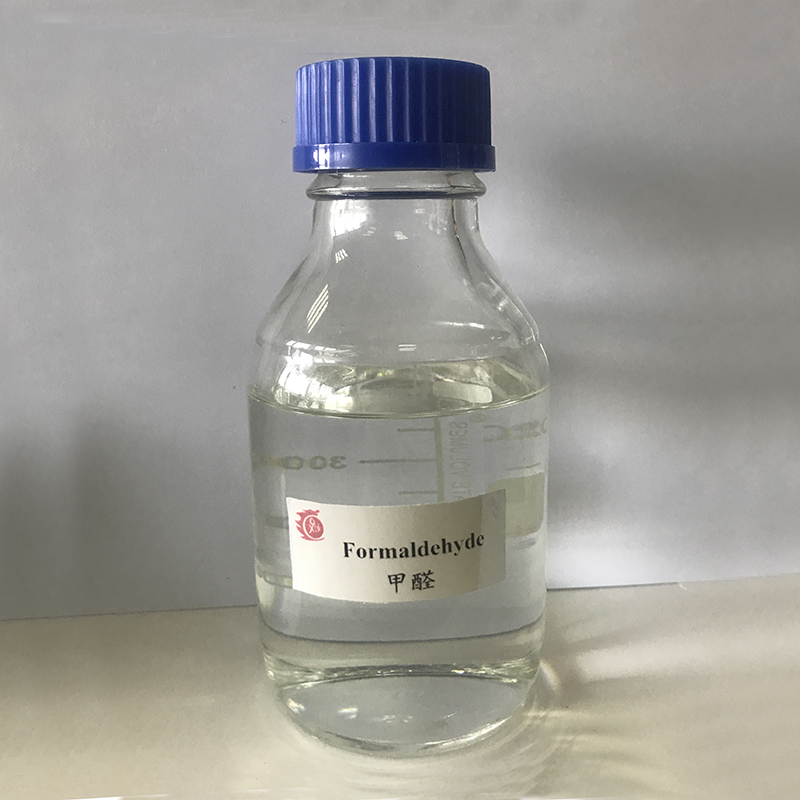
We must define the chemical baseline without using dense academic jargon. It is a simple, highly reactive compound made of carbon, hydrogen, and oxygen. At room temperature, it exists as a colorless, highly volatile gas. It carries a distinct, sharp, and suffocating odor. You will rarely encounter it in this pure gaseous state naturally.
Industries usually stabilize it into solid resins. They also dissolve it in water for commercial use. Let us look at Liquid Formaldehyde. Manufacturers create an aqueous solution commonly known as formalin. Facilities use this liquid preservative heavily. It acts as a powerful biocide across medical labs and mortuaries. You will also find these liquid forms hiding in consumer hygiene products. They effectively prevent bacterial growth in water-based liquids.
We must also acknowledge the environmental reality. Many air purifier brands promise "absolute zero" emissions. This marketing claim is scientifically inaccurate. Environmental background levels exist everywhere. The outdoor air averages roughly 2.0 parts per billion (ppb). Trees, plants, and natural biological decay constantly release tiny amounts. You cannot eliminate it entirely from the earth. You can only control concentrated artificial indoor spikes.
Your home harbors numerous hidden chemical sources. Modern construction relies heavily on synthetic, engineered materials.
These represent your primary household offenders. Hardwood plywood, particleboard, and medium-density fiberboard (MDF) dominate modern cabinetry. Builders also use them extensively in laminate flooring. Factories bind these wood particles using urea-formaldehyde adhesives. These specific resins break down over time. They slowly release trapped gas into your living space over many years.
Furniture is not the only culprit inside your home. You might wear permanent-press clothing often. Manufacturers treat these wrinkle-free fabrics chemically. This treatment helps them maintain their crisp shape. Industrial glues, craft adhesives, and interior paints also release lingering VOCs. They off-gas heavily as they dry and cure.
Many daily hygiene routines introduce direct exposure risks. Beauty brands use specific preservatives to extend product shelf life. These chemicals act as slow-releasing agents. You will find them heavily concentrated in keratin hair straightening treatments. When stylists apply heat, the products release massive vapor clouds. They also lurk in common dish liquids and household fabric softeners.
Non-manufacturing sources frequently degrade indoor air quality. Unvented gas stoves release toxic fumes directly into enclosed kitchens. Wood-burning heaters create similar localized pollution indoors. Tobacco and cannabis smoke also heavily concentrate this chemical. Smoking indoors creates an immediate, dangerous spike in volatile organic compounds.
Review this chart to understand where threats hide in your environment.
Source Category | Specific Examples | Emission Duration |
|---|---|---|
Pressed Wood | MDF, Particleboard, Laminate | Months to Years |
Personal Care | Keratin treatments, Lotions | During active use |
Combustion | Gas stoves, Tobacco, Fireplaces | Immediate/Dissipates with ventilation |
Textiles | Wrinkle-free shirts, Curtains | Until washed repeatedly |
Understanding the health implications requires examining a solid evidence triangle. Medical professionals separate symptoms into short-term and long-term categories. The dose and duration dictate the severity.
Short-term exposure usually triggers immediate physical reactions. You might experience watery eyes. You could develop a burning nose or a scratchy throat. Some people develop allergic contact dermatitis. This skin rash occurs after touching chemically treated fabrics. Chronic exposure poses much darker consequences. Repeated, daily inhalation damages cellular structures. It stresses your respiratory system constantly.
Global health authorities maintain a clear, unified consensus on toxicity. The National Cancer Institute (NCI) and NIEHS label it dangerous. The International Agency for Research on Cancer (IARC) classifies it as a known human carcinogen. Epidemiological studies show confirmed links to myeloid leukemia. Researchers also document higher rates of rare nasopharyngeal cancers. They found these cancers among highly exposed industrial workers and embalmers.
Certain biological groups face elevated, immediate dangers. California’s Proposition 65 outlines specific reproductive toxicity warnings. Medical research shows the chemical can cross the placental barrier. It transfers from mother to fetus during pregnancy. Developing fetal immune systems handle chemical burdens poorly. Children also breathe faster than adults. This biological reality increases the urgency for preventative action in family homes.
Do not rush to buy expensive testing equipment immediately. You should conduct a physical household inspection first. Testing without a strategy wastes money.
Follow these specific steps before spending money on air testing:
Locate any recently purchased pressed-wood furniture or cabinets.
Check all unsealed, raw wood edges on MDF shelves.
Identify newly painted rooms or newly installed laminate floors.
Note any unvented combustion appliances running indoors frequently.
If you find obvious sources, address them first. Remove the item or increase ventilation. Test only if symptoms persist after removing obvious culprits.
You can easily find cheap over-the-counter monitoring kits. Colorimetric badges change color based on chemical exposure levels. Digital VOC sensors display real-time numbers on a screen. Both consumer options have severe technical limitations. They frequently suffer from extreme cross-sensitivity. Cooking odors, perfumes, or cleaning alcohol can trigger false alarms. They rarely give exact, lab-grade readings you can trust.
Hiring an indoor air quality (IAQ) professional offers much better accuracy. Establish strict criteria before hiring anyone. Look for certified technicians using calibrated active-sampling methods. They pump specific volumes of air through specialized lab filters. They send these samples to accredited laboratories. This method eliminates digital guesswork. It identifies exact chemical concentrations in your home.
You need proper context to interpret your results objectively. Without benchmarks, numbers mean nothing. Standard homes generally average around 20 ppb in indoor air. Mobile homes often register much higher. They frequently hover around 40 ppb. This happens due to high pressed-wood usage and tight, unventilated construction. Aim to keep your indoor levels as low as physically possible.
You can control your environment heavily through informed purchasing. However, greenwashing makes this difficult for average consumers. Brands often misuse terms like "natural" or "eco-friendly." You need verifiable compliance standards.
Give yourself a strict shortlisting framework when buying furniture or floors. Look for verifiable, third-party compliance labels:
EPA TSCA Title VI and CARB Phase 2: These represent the strict legal minimums for emissions. If a composite wood product lacks this baseline, do not buy it.
ULEF (Ultra-Low-Emitting Formaldehyde): This advanced standard indicates significantly reduced emission resins. Manufacturers use improved chemical binding processes.
NAF (No Added Formaldehyde): Consider this the absolute gold standard for procurement. Manufacturers use soy-based or alternative glues. They add zero toxic binders.
You must train yourself to spot hidden chemical aliases. Cosmetic brands rarely list the chemical by its common name. Read liquid ingredient lists very carefully. Look for Methanal, Methylene glycol, or Formalin. You must also watch for chemical releasers. Ingredients like Quaternium-15, DMDM hydantoin, and Imidazolidinyl urea act as trojan horses. They slowly release the gas into the liquid product over time.
What happens if you already brought contaminated items indoors? You do not necessarily need to throw them away. You can still minimize the damage effectively.
Use the "bake-out" or quarantine method for new composite furniture. Do not place a new MDF dresser straight into a closed bedroom. Store it in a highly ventilated garage first. Leave it there for two to three days. Let the initial, heavy chemical burst dissipate safely outdoors. This dramatically lowers the indoor impact.
Heat and humidity directly control emission rates in wood products. High temperatures force synthetic resins to off-gas much faster. Lowering your air conditioning temperature slows this chemical reaction. Running dehumidifiers keeps indoor moisture low. This simple climate control strategy drastically reduces airborne chemical concentrations.
You can block toxic emissions physically. Evaluate the cost-effectiveness of applying physical surface barriers. Look at the hidden raw edges of your existing MDF furniture. The backs of bookshelves often remain unsealed. Apply specialty clear coats over these exposed fibers. You can also use heavy latex sealants. This physical barrier traps the gas inside the wood core permanently.
Maintain a skeptical check on air purifier marketing claims. Standard HEPA filters catch dust, pet dander, and pollen beautifully. They completely fail to catch volatile gases. The chemical molecules slip right through the paper mesh. You must use specialized filtration media. Only heavy-weight activated carbon filters can successfully capture these gases. Potassium permanganate (KMnO4) filters also actively neutralize these specific gas molecules.
You now understand the core decision matrix for healthy indoor air. You must control the source first. Make informed purchasing decisions using NAF or ULEF labels consistently. Do not bring high-emission materials into enclosed spaces. Manage the environment second. Use robust ventilation and strict humidity control to suppress ongoing off-gassing. Treat the indoor air last. Rely on activated carbon filters only as a backup measure, not a primary cure. We strongly encourage a proactive review of your household today. Check any planned renovation materials against our certification list. Audit your current personal care product inventories for hidden chemical names. Removing one toxic bottle or sealing one raw wood edge brings you closer to a safer home.
A: No, it is not entirely banned. Regulatory agencies enforce strict emission limits rather than outright bans. Laws like the EPA TSCA Title VI restrict how much gas composite wood products can release. However, it remains widely and legally used in construction materials, adhesives, and certain cosmetic preservatives across multiple global industries.
A: The decay curve varies significantly based on the specific resin used. Emissions peak heavily during the first few weeks after unboxing. However, off-gassing can trail on for months or even several years. High indoor temperatures and elevated humidity levels will artificially prolong and accelerate this chemical off-gassing process.
A: Houseplants cannot effectively purify indoor air. Marketers often exaggerate isolated, sealed-chamber laboratory studies. In a real home, a few potted plants absorb an insignificant amount of gas. Mechanical ventilation, like opening windows wide or running active exhaust fans, remains vastly superior and faster for removing indoor chemical pollutants.


