
Views: 0 Author: Site Editor Publish Time: 2026-06-29 Origin: Site


Can pure nitric acid dissolve pure gold? The short answer is no. Gold acts as a noble metal boasting incredibly high oxidation resistance. You will often see this chemical used in precious metal refining facilities. However, its actual role frequently sparks confusion among electronics recycling technicians, jewelers, and industrial managers. Technicians use it to strip away impurities from gold rather than dissolving the gold itself. Misunderstanding this critical distinction leads to wasted materials, compromised purity, and severe safety hazards.
This guide clarifies the fundamental chemical realities separating base metals from noble ones. We will explore required industrial processes like Aqua Regia for achieving actual gold dissolution. Finally, you will learn the exact operational risks, necessary infrastructure, and strict compliance rules required to run a safe chemical refining operation. Understanding these principles ensures maximum recovery yields while protecting your workforce and the environment.
Chemical limitation: Nitric acid alone will not dissolve gold; it only dissolves base metals like copper, silver, and zinc.
The Aqua Regia requirement: To actually dissolve gold, HNO₃ must be combined with hydrochloric acid (HCl) in a specific ratio.
Operational role: In professional refining, nitric acid is primarily used for "parting" (removing silver/base metals) prior to final gold dissolution.
Implementation risk: Handling these chemicals generates toxic NOx fumes, requiring strict environmental compliance, fume scrubbing, and precise neutralization protocols (e.g., using urea).
To understand precious metal refining, we must examine the electrochemical series. This scientific framework ranks elements based on their standard electrode potentials. Gold sits near the very top of this noble metal list. It features an exceptionally high ionization energy. This fundamental property prevents standard oxidizers from stripping its electrons. While nitric acid ranks as a powerful oxidizing agent, its oxidation potential simply cannot overcome gold's chemical stability. When you place a pure, 24-karat gold nugget into a beaker of this acid, absolutely no chemical reaction occurs. The gold remains pristine.
So what does the chemical actually do? It aggressively attacks base metals and certain lower-tier noble metals. Copper, zinc, nickel, and silver readily surrender their electrons when exposed to the acid. The chemical converts these solid metals into soluble nitrate salts. For example, solid silver turns into liquid silver nitrate. This targeted aggression makes the chemical indispensable for selective dissolution tasks in modern metallurgy.
Chemical Reactivity Profile in Standard Concentration | |||
Metal Type | Example Element | Reaction Result | End Product |
|---|---|---|---|
Base Metal | Copper (Cu) | Rapid dissolution, heat generation | Copper(II) nitrate solution |
Base Metal | Zinc (Zn) | Violent dissolution | Zinc nitrate solution |
Precious Metal | Silver (Ag) | Moderate to rapid dissolution | Silver nitrate solution |
Noble Metal | Platinum (Pt) | No reaction | Solid Platinum |
Noble Metal | Gold (Au) | No reaction | Solid Gold |
A widespread misconception exists regarding low-purity gold alloys. Many novice refiners observe 10-karat or 14-karat gold items deteriorating in an acid bath. They mistakenly conclude the acid dissolved the gold. In reality, the acid exclusively targets the alloyed base metals like copper and silver. As the acid strips away these supporting metals, the physical structure collapses. The jewelry piece will crumble or turn a dark, brittle brown. However, if you filter the remaining dark powder, you will find intact, pure gold particles. Understanding this "myth-busting" principle prevents operators from accidentally discarding valuable microscopic gold dust.
Common Mistake: Never assume a crumbling piece of scrap metal means your gold has liquefied. Always filter and test the remaining sludge. It often contains highly concentrated, yet visually unrecognizable, gold sponge.
Refiners overcome gold's chemical resistance by leveraging a specialized mixture known as Aqua Regia, or "Royal Water." To formulate this legendary solution, technicians combine one part HNO₃ and three parts hydrochloric acid (HCl). This specific volumetric ratio unleashes a synergistic reaction. Neither acid can dissolve gold independently. Together, they create a chemical environment capable of completely liquefying the noble metal.
The chemical mechanism relies on teamwork between the two acids. First, the oxidizing acid acts as the catalyst. It manages to oxidize an infinitesimally small amount of solid gold into gold ions (Au³⁺). Normally, this tiny reaction would immediately reverse itself, halting the process. However, the hydrochloric acid steps in to provide an overwhelming supply of chloride ions (Cl⁻). These chloride ions rapidly bond to the newly formed gold ions. They form a highly stable, soluble complex called tetrachloroaurate ([AuCl₄]⁻). By constantly pulling gold ions out of the initial reaction, the chloride ions force the oxidation process to continue until all the solid gold fully dissolves into the liquid.
Achieving a high-yield recovery demands strict adherence to specific success criteria. Simply mixing the liquids will not guarantee optimal results. Professional operators follow rigid protocols:
Temperature Control: Dissolving gold requires gentle heat. Operators typically maintain the solution between 60°C and 80°C. Excessive boiling wastes the acid prematurely and creates violent, uncontrollable reactions.
Acid Purity: Industrial-grade acids must remain free of unknown contaminants. Contaminants can introduce unwanted metallic salts, ruining the final precipitation stage.
Volume Calculations: Precision matters. You must calculate the exact acid volume needed based on the estimated scrap weight. Over-saturating the bath forces you to spend excessive time and money neutralizing the solution later.
Controlled Addition: Never add all the oxidizing agent at once. Professionals add it incrementally to control the reaction speed and limit excessive fuming.
Best Practice: Always add the acids in stages. Begin by submerging the metal in hydrochloric acid. Then, slowly add the oxidizing agent in small increments. This approach maximizes chemical efficiency and prevents dangerous boil-overs.
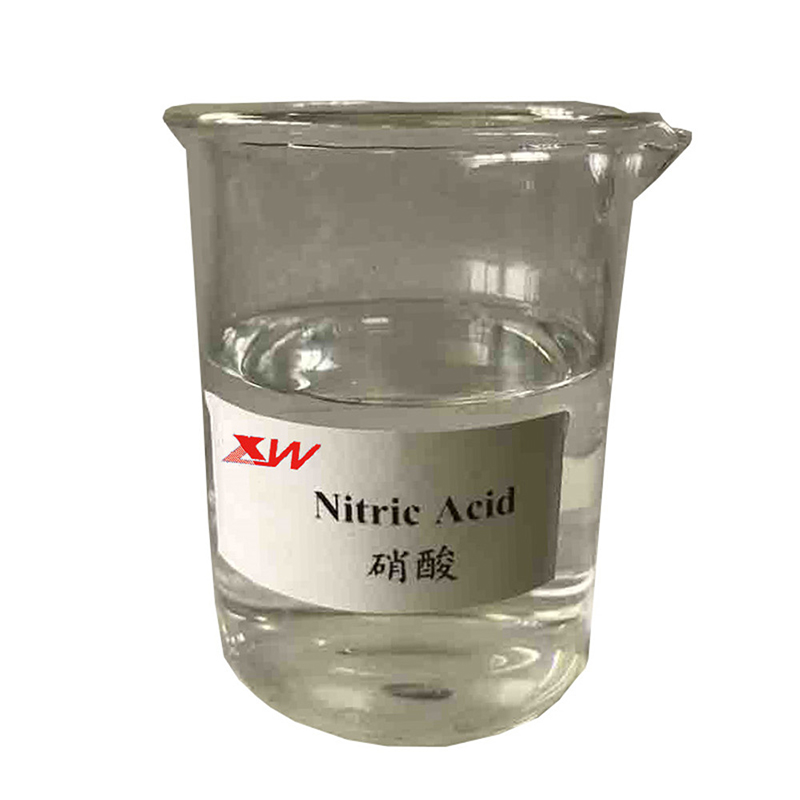
Professional refineries rarely start the recovery process by immediately dropping scrap into Aqua Regia. Attempting to dissolve an alloy loaded heavily with silver or copper wastes expensive chemicals. Furthermore, high silver content creates a disastrous physical barrier. When silver encounters Aqua Regia, it instantly converts into silver chloride. This heavy, white substance forms an impenetrable shell around the gold particles. This shell stops the reaction entirely. To prevent this, refiners rely on a traditional framework called inquartation and parting.
Inquartation involves intentionally lowering the gold purity of the scrap. Refiners melt the gold scrap and add a base metal, usually pure copper or silver. They aim to reduce the total gold content to 25% or less. While adding impurities sounds counterintuitive, this precise ratio physically spaces out the gold atoms inside the new alloy. Once cooled and rolled into thin sheets, the alloy stands ready for the parting process.
The "nitric wash" or parting phase serves as the core purification step. Operators place the diluted alloy into a boiling bath of pure oxidizing acid. Because the gold atoms sit widely dispersed, the acid can easily reach and dissolve every single atom of the base metals. The solution turns a deep green or blue as it absorbs the copper and silver. Meanwhile, the gold remains untouched. Once the reaction ceases, the operator decants the liquid. What remains in the beaker is a brittle, porous, honeycomb-like structure known as gold sponge. This sponge often reaches purities exceeding 99% without ever having been dissolved itself.
Process evaluation requires careful decision-making. Facility managers must assess incoming scrap purity to determine their starting point. If the scrap already consists of very high-karat gold (like 22k or 24k dust), operators might skip inquartation and proceed straight to Aqua Regia. However, for computer pins, dental gold, and mixed jewelry, executing a thorough parting wash first proves far more efficient. It ensures the final dissolution bath remains clean, uncontaminated, and ready for a smooth, high-purity drop.
Chemical refining presents severe hazard management challenges. Handling these aggressive substances demands unwavering respect for safety protocols. The most immediate danger comes from the generation of nitrogen dioxide (NOx) gases. As the acid digests base metals, it emits thick, dense, reddish-brown fumes. These fumes are highly toxic. Inhaling NOx gas causes immediate respiratory distress. More insidiously, it can cause delayed pulmonary edema, a potentially fatal condition that occurs hours after exposure. Additionally, accidental splashes cause instant corrosive chemical burns, destroying skin and tissue upon contact.
Mitigating these hazards requires substantial infrastructure investments. A makeshift outdoor setup invites disaster and regulatory fines. Professional facilities must install specialized equipment:
Fume Hoods: High-velocity chemical fume hoods ensure toxic gases safely vent away from the operator's breathing zone.
Wet Scrubbers: Environmental agencies strictly forbid venting raw NOx gas into the atmosphere. Wet scrubbers pull the exhaust fumes through a neutralizing liquid curtain (often a sodium hydroxide solution). This converts the toxic gas into harmless salts before releasing the air.
Acid-Resistant Glassware: Borosilicate glass beakers and quartz heating vessels prevent sudden shattering under thermal and chemical stress.
Personal Protective Equipment (PPE): Operators must wear thick nitrile/neoprene gauntlets, full face shields, heavy rubber aprons, and appropriate respirator cartridges rated for acid gases.
Downstream processing introduces another critical risk factor. After you dissolve gold in Aqua Regia, you cannot simply add a precipitating powder to force the gold back into a solid state. The solution remains highly acidic. Any excess oxidizing agent left in the liquid will immediately attack and re-dissolve the newly precipitated gold flakes. To prevent this endless loop, technicians must execute precise neutralization. They traditionally boil off the excess acid through controlled evaporation. Alternatively, they add sulfamic acid or urea. Urea safely reacts with the remaining acid, destroying its oxidizing capability without harming the dissolved gold complex.
Environmental compliance acts as the final operational hurdle. Regulatory agencies scrutinize chemical disposal methods intensely. Pouring spent acid solutions down standard drains destroys municipal plumbing and poisons water supplies. Facilities must track heavy metal contamination levels and maintain strict acid neutralization limits. All waste liquids must pass through dedicated ion-exchange resins or cementation tanks to capture fugitive heavy metals before final pH adjustment and legal disposal.
Procurement managers and lead technicians must evaluate whether acid-based recovery suits their operational volume. Choosing the right methodology depends heavily on daily throughput, required purity, and facility capabilities. We can frame this decision by comparing chemical refining directly against electrolytic cells (the Wohlwill process) and traditional pyrometallurgy (smelting).
Comparison of Precious Metal Recovery Methods | |||
Feature | Chemical (Aqua Regia / Acids) | Electrolytic (Wohlwill) | Pyrometallurgy (Smelting) |
|---|---|---|---|
Best For | Small to medium batches, e-waste, complex alloys | Large-scale industrial refining, mints | Low-grade ores, bulk sweeps, sweeps ash |
Purity Achievable | 99.9% to 99.95% | 99.99% (Four Nines) | Low (serves as a preliminary step) |
Speed | Fast (12 to 24 hours) | Slow (Several days) | Very Fast (Hours) |
Infrastructure Need | Fume extraction, wet scrubbers, glassware | High-amperage rectifiers, large cell tanks | Industrial furnaces, massive ventilation |
Evaluating scalability requires understanding how batch sizes dictate your method. Acid-based processes shine when handling small-to-medium batches. They offer incredible flexibility. A technician can process half a kilogram of scrap quickly and achieve high purity. However, scalability presents a steep curve. As batch sizes grow, the volume of toxic waste liquids compounds exponentially. The safety requirements and waste-management demands make massive acid operations highly complex. Conversely, electrolytic refining requires massive initial capital but processes bulk gold extremely safely and predictably once established.
When shortlisting your strategy, pay close attention to vendor selection criteria for industrial-grade chemicals. Sourcing high-quality reagents directly impacts your bottom line. Always look for chemical suppliers who provide transparent purity certificates. Trace contaminants in cheap acids will ruin a sensitive gold drop. Assess their concentration stability; a weak batch of acid will throw off your volume calculations entirely. Finally, evaluate their logistics and specialized delivery capabilities. Transporting bulk corrosive materials requires dedicated, compliant freight partners.
Understanding the precise chemical limitations of precious metal recovery separates profitable operations from dangerous, wasteful ones. We have established that nitric acid cannot dissolve gold on its own due to the noble metal's high ionization energy. However, mastering its use remains fundamental to the industry. Refiners rely heavily on it as a parting agent to strip away base metals. Furthermore, it serves as the crucial oxidizing half of the Aqua Regia equation required for true gold dissolution.
For decision-makers aiming to optimize their recovery workflows, actionable next steps are clear. First, comprehensively audit your facility's ventilation and scrubbing capabilities before introducing high-volume acid processes. Upgrading fume extraction prevents costly regulatory shutdowns. Second, review local environmental regulations regarding heavy metal effluent limits to ensure your downstream neutralization protocols remain compliant. Finally, establish rigorous, baseline safety training for all technicians handling these powerful reagents to secure both high recovery yields and a zero-incident workplace.
A: Pure gold remains completely unaffected. If the gold is alloyed (e.g., 10k or 14k), the acid will selectively dissolve the base metals like copper and silver. This aggressive leaching process leaves behind a brittle, dark, honeycomb-like structure consisting entirely of pure gold sponge.
A: Your process likely suffers from surface passivation. When you use Aqua Regia on an alloy featuring high silver content, the acids rapidly convert the silver into silver chloride. This creates a thick, protective, insoluble shell around the metal. This barrier completely stops the reaction, demanding proper inquartation first.
A: No. While the acid will effectively dissolve the underlying copper and solder holding the gold pins together, it merely separates the materials. The thin gold foils will detach and float freely. The chemical cannot turn the gold into a liquid solution required for professional chemical precipitation.


