
Views: 0 Author: Site Editor Publish Time: 2026-06-13 Origin: Site


We all know the scenario. You reach under the bathroom sink to find a dusty brown bottle of liquid for a quick cleaning task. You pause and wonder if the liquid inside still holds its power.
The truth is, this chemical is highly unstable. It does not spoil like milk, but it degrades swiftly into plain water and oxygen gas. Relying on an inactive solution for critical hygiene, medical sanitization, or teeth whitening provides a dangerous false sense of security. You might think you are killing harmful bacteria, but you are merely wiping the surface using tap water.
This guide offers a science-backed framework to test your current stock. You will discover practical timelines for chemical degradation and learn smart storage strategies. We will also help you evaluate better purchasing options to ensure your solutions remain effective for long-term use.
Shelf Life Facts: Unopened standard 3% hydrogen peroxide lasts roughly 3 years; once opened, its peak efficacy drops to 1–6 months.
The Fizz Test: You can easily verify chemical activity at home by applying a few drops to an organic surface (like a potato slice or sink drain) and watching for immediate effervescence.
Safety Profile: Expired hydrogen peroxide is not toxic—it reverts to water ($H_2O$) and oxygen ($O_2$)—but it is entirely ineffective for sanitization.
Procurement Consideration: For commercial or infrequent users, stabilized H2O2 formulations offer a dramatically slower degradation curve compared to standard over-the-counter varieties.
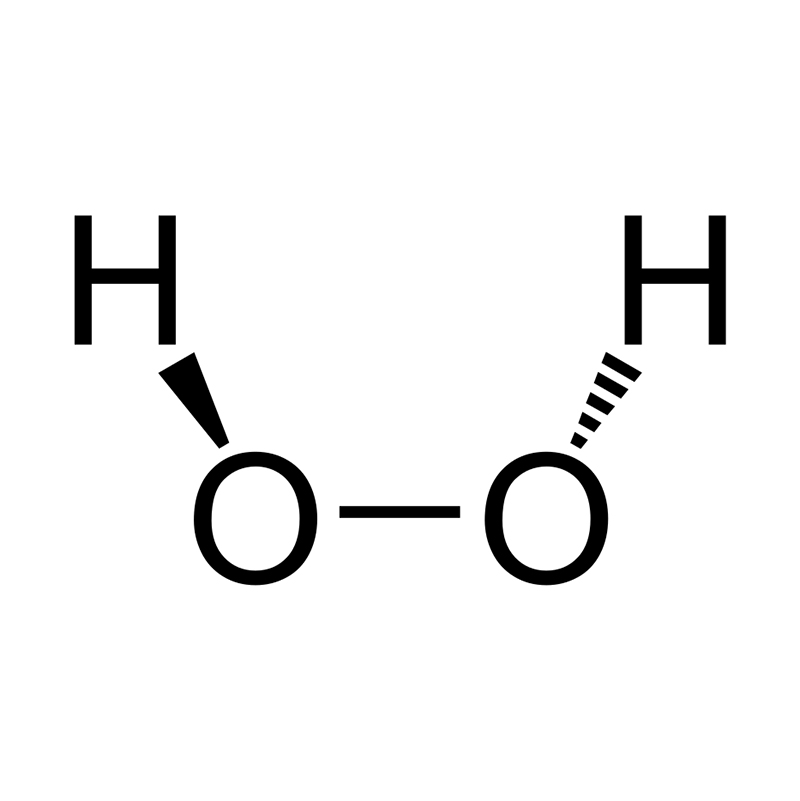
Decomposition is a natural thermodynamic process. The molecule wants to become water. It holds an extra oxygen atom in a highly unstable bond. When exposed to external energy, this fragile bond breaks. Light provides photonic energy. Heat provides thermal energy. Airborne contaminants provide catalytic energy. This inherent instability explains why strict storage matters so much for hydrogen peroxide.
Standard 3% medical grade solutions follow specific, predictable timelines. Manufacturers bottle the liquid under sterile conditions. An intact factory seal prevents atmospheric exposure. Under these ideal conditions, the solution maintains its intended strength for a long period. However, opening the bottle changes the chemical environment instantly.
Bottle Status | Estimated Shelf Life | Efficacy Guarantee |
|---|---|---|
Unopened | 36 months from manufacturing date | Full biocidal action maintained if stored correctly. |
Opened (Fresh) | 30 to 45 days | Peak oxidative power for wound care and deep sanitization. |
Opened (Aged) | Up to 6 months | Steep drop-off in strength; unreliable for medical use. |
People often fear expired chemicals. They assume degradation creates dangerous, toxic byproducts. This is entirely false for this specific compound. When the solution expires, it simply reverts to pure water and oxygen gas. It becomes completely harmless to handle. However, "harmless" also means "ineffective." The liquid loses its oxidative power. You cannot rely on an expired bottle to kill pathogens or bleach stains.
You do not need a laboratory to verify chemical activity. You can perform a simple visual test using basic household items. Active solutions release oxygen gas rapidly when they encounter catalase. Most biological matter contains this specific enzyme. It protects living cells from oxidative damage. When catalase meets active peroxide molecules, it tears them apart. You see this rapid separation as bubbling or fizzing.
Follow these steps to validate your current supply:
Select a testing surface: Cut a fresh slice of raw potato. Alternatively, locate a dirty sink drain. Both surfaces contain enough organic matter to trigger the enzyme reaction.
Apply the liquid: Pour a small amount over the organic surface. Use a dropper or pour carefully. Do not submerge the potato slice back into your main container.
Observe the reaction: Watch the surface closely for the next ten seconds. The reaction should be immediate.
Your solution must meet specific pass criteria. Vigorous, immediate bubbling indicates active oxygen release. The product remains suitable for household use. If you see no reaction, the product fails the test. The liquid has degraded into plain water. You should safely pour it away and replace the bottle.
You must also recognize the limitation of this test. A weak, delayed fizz indicates partial degradation. The solution might still handle minor household cleaning tasks. However, it lacks the concentrated power needed for critical disinfection. Do not rely on a partially degraded liquid for first aid or wound care.
Using an inactive solution rarely causes direct chemical harm. The true danger lies in the outcomes you fail to achieve. When you expect a sterilized environment but leave pathogens alive, you invite serious risks.
Wound Care & Medical Sanitization: Zero biocidal efficacy means dangerous bacteria survive on the skin. You face a high risk of infection if you rely on old stock for first aid. The water offers no protective barrier against microbial growth.
Dental & Oral Care: Many people use diluted solutions for teeth whitening or mouthwashes. Expired liquids will not oxidize enamel stains. Using an old product for cosmetic outcomes is completely futile. You are essentially swishing plain tap water.
Household & Industrial Cleaning: Active solutions destroy mold spores and kitchen pathogens through harsh oxidation. Degraded liquid reduces your cleaning routine to a mere water wipe-down. Mold, mildew, and salmonella easily survive the contact.
Once you discard your dead bottle, you must choose a replacement wisely. Your purchasing logic should align with your usage frequency. Different formulations cater to entirely different shelf-life needs.
Over-the-counter 3% non-stabilized solutions remain cheap and highly accessible. You can find them in any pharmacy. They work best for immediate, high-volume consumer use. If you plan to use the entire bottle within a month for a specific cleaning project, this option makes perfect financial sense. Long-term storage is simply not required.
Commercial users require a different approach. Stabilized formulations contain specialized chemical additives. Some brands use colloidal silver. Others use proprietary chemical stabilizers. These additives bind the oxygen molecules tightly. They prevent premature gas release. This specialized chemistry extends the opened shelf life dramatically. You can often keep an opened stabilized bottle active for one to two years.
You must also consider concentration levels. Many users purchase industrial or food-grade H2O2 solutions.
Solution Category | Primary Additives | Opened Shelf Life | Best Use Case |
|---|---|---|---|
Standard OTC (3%) | Purified water only | 1 to 6 months | Immediate household cleaning, minor first aid. |
Stabilized Formulas | Colloidal silver, stabilizers | 12 to 24 months | Commercial sanitation, infrequent household use. |
High Concentration (e.g., 35%) | Varies (often pure) | Highly variable | Agricultural use, required strict dilution protocols. |
Higher concentrations degrade differently. They demand specific handling and strict dilution protocols. They represent a high-maintenance choice for average consumers. If you buy a concentrated liquid, you must store it meticulously to prevent rapid, dangerous gas expansion.
Your storage habits dictate the exact lifespan of your solution. You can double the useful life of an opened bottle simply by controlling its environment. Implementation realities often involve avoiding simple mistakes.
You must respect the brown bottle mandate. Manufacturers package consumer solutions in opaque brown or solid white plastic for a crucial reason. These dark materials block ultraviolet light. UV rays catalyze the breakdown process instantly. Never transfer your supply to a clear glass jar. Never use a transparent plastic spray bottle for long-term storage. The light will destroy the active bonds within days.
Temperature control represents your second layer of defense. Store the container in a cool, dark environment. Aim for temperatures below 70°F (21°C). A bathroom cabinet usually works well, provided it stays away from heating vents. You might consider refrigeration. A cold environment slows molecular movement. This delayed movement drastically reduces the degradation rate. However, keeping chemicals in a food refrigerator poses distinct cross-contamination risks. If you choose to refrigerate, place the bottle in a sealed, clearly labeled secondary bag.
Finally, practice strict contamination prevention. The master bottle must remain pure. Never dip objects directly into the main container. Do not insert Q-tips, cotton balls, or your fingers into the neck. Biological matter on your skin triggers immediate decomposition. Always pour the required amount into a small secondary cup. Use the liquid from this secondary cup. If you have leftover liquid in the cup, discard it. Never pour used liquid back into the master bottle. One contaminated drop can ruin the entire supply.
Hydrogen peroxide certainly goes bad. It fundamentally loses its oxidative power, rendering it useless for sanitizing, bleaching, or disinfecting. Fortunately, the degradation process is entirely safe. The liquid simply turns into plain water and releases harmless oxygen gas.
Your actionable next step is clear. Run the fizz test on your current supply today. Drop a small amount onto a raw potato or down a dirty drain. If the liquid remains silent, safely dispose of it down the sink. Purchase a fresh supply immediately. As you replace it, evaluate your usage habits. If you rarely need it, consider investing in a stabilized formulation to ensure your next bottle stays active when you need it most.
A: Yes. Because it breaks down entirely into water and oxygen gas, it is 100% safe for household plumbing. It poses no environmental threat. You do not need any special disposal methods.
A: No. It loses its oxidative properties completely. The chemical simply reverts to plain water. It will not harm you if touched, but it offers zero cleaning or sanitizing benefits.
A: Bulging indicates trapped oxygen gas inside the sealed container. Temperature fluctuations or slow natural degradation release this gas over time. Open the bottle carefully in a ventilated area. It may still be partially active, but it is actively breaking down.
A: Yes. Once it fully degrades, you are simply watering your plants using plain water. It will not harm the roots. However, it will not provide the intended root-aeration or pest-control benefits of an active solution.


