
Views: 0 Author: Site Editor Publish Time: 2026-06-11 Origin: Site


Consumers face a constant dilemma when battling stubborn laundry spots. They desperately need an effective stain remover, but fear causing irreversible discoloration to their favorite garments. One wrong move could ruin an expensive wardrobe entirely.
As a highly active oxidizing agent, hydrogen peroxide certainly has the power to alter fabric colors. Yes, it can bleach clothes under specific conditions. However, the exact outcome depends heavily on chemical concentration, fabric composition, and overall application time.
This article provides a definitive framework for evaluating fabric treatments safely. You will learn exactly when to use household solutions, when dilution is necessary, and when to opt for alternative commercial products. Master these principles to keep your textiles vibrant and stain-free.
The 3% Rule: Standard 3% household hydrogen peroxide is generally color-safe for everyday fabrics if used correctly, but higher concentrations will permanently bleach dyes.
Fabric Limitations: Safe for cotton and most synthetics; fundamentally incompatible with protein-based fibers like silk and wool.
Chemical Function: H2O2 removes stains via oxidation, which breaks down the chemical bonds of chromophores (both stains and fabric dyes).
Safety Imperative: Spot-testing in an inconspicuous area is mandatory before widespread application.
Stains ruin clothes, but aggressive cleaning agents destroy them faster. Your core problem lies in balancing stain degradation against fabric preservation. You want to break down organic matter effectively. However, you must simultaneously protect the synthetic or natural dyes inherent to the garment.
Understanding how oxidation works clarifies this delicate balance. When you apply it, H2O2 rapidly releases oxygen molecules. These active molecules aggressively target and break down the chemical double bonds found inside color-producing molecules. Chemists call these distinct structures chromophores. Both organic stains and synthetic fabric dyes rely on chromophores for their visible hue.
Therefore, defining success requires careful parameters. A truly successful application entirely removes the localized organic stain, such as blood, sweat, or red wine. More importantly, it accomplishes this feat without altering the garment’s baseline dye stability. It also must preserve the textile's overall tensile strength. You ultimately want deeply cleaned fibers, not weak or discolored ones.
Not all oxidative liquids behave equally. You must evaluate concentration thresholds carefully before treating any fabric. Household grade varieties sit at a standard 3% concentration level. We consider this the baseline standard for laundry evaluation. At 3%, it generally acts as a color-safe alternative to harsh chlorine products.
Conversely, food or industrial grade versions range from 10% to over 35% in concentration. These represent a tremendously high risk to everyday garments. Such potent formulas will aggressively bleach fabrics on contact. They can even dissolve certain delicate textile blends completely. Industrial grades are simply not viable for direct consumer laundry applications. Keep them safely away from your closet.
Fabric compatibility determines how well your clothes endure treatment. Animal proteins react poorly to oxidative stress. Plant-based and synthetic fibers handle it much better. Below is a detailed breakdown of how various textiles respond to treatment.
Fabric Category | Compatibility Level | Critical Limitations & Notes |
|---|---|---|
Cottons & Linens | High Compatibility | Highly resilient. Safe for targeted spot treatments and full-load wash cycles. |
Polyester & Synthetics | High Compatibility | Generally safe, provided you limit application time and rinse thoroughly with cold water. |
Silk & Wool | Zero Compatibility | Oxidation permanently breaks down the animal proteins holding these fragile fibers together. |
Leather & Suede | Zero Compatibility | Causes severe drying, cracking, and immediate localized discoloration upon contact. |
Finally, you must assess dye fastness for absolute security. Chemically stable vat dyes usually survive a 3% application seamlessly. These specific dyes lock deeply into the cellular fiber structure. Un-set or bleeding dyes, however, will lift immediately. If a garment runs during a regular hot wash, oxidative agents will undoubtedly accelerate that color loss.
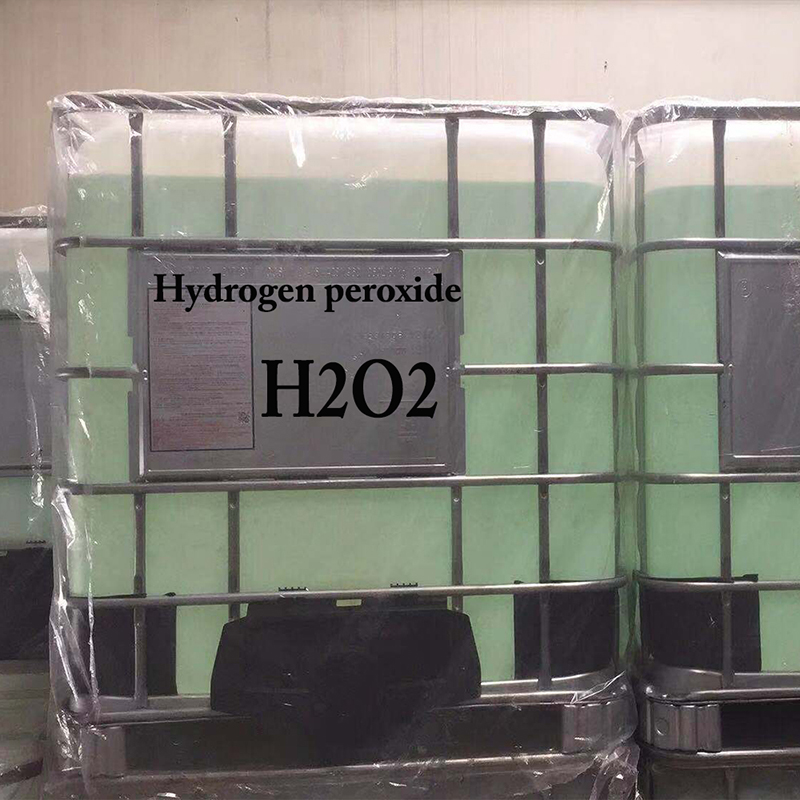
Consumers face a crowded market of stain removal solutions. You must weigh standard liquid options against specialized commercial alternatives. Each category brings unique strengths and undeniable drawbacks.
Standard 3% liquid hydrogen peroxide offers exceptional cost-effectiveness. It remains widely accessible in almost any local pharmacy. Furthermore, it breaks down simply into pure water and oxygen, making it an entirely eco-friendly choice. On the downside, this liquid suffers from extreme instability. It degrades rapidly when exposed to light. It also limits you to mild or moderate oxidation power.
Chlorine bleach, chemically known as sodium hypochlorite, serves as the traditional heavyweight. It performs highly aggressive cleaning. It sanitizes fabrics beautifully even at low water temperatures. However, its cons often outweigh these benefits. Chlorine leaves behind toxic byproducts. It rapidly degrades overall fabric integrity over time. Most dangerously, it removes all localized color almost immediately upon unexpected contact.
Commercial oxygen bleaches, often powered by sodium percarbonate, offer a modern middle ground. These powders provide a controlled release of H2O2 directly into the wash water. Manufacturers formulate them heavily with surfactants for much better fiber penetration. They remain exceptionally safer for broad-spectrum color loads. The drawbacks include requiring hot water for maximum chemical activation. They also carry a notably higher upfront cost compared to basic household liquids.
Chart: Comparing Laundry Oxidation Agents | |||
Solution Type | Primary Benefit | Primary Drawback | Ideal Use Case |
|---|---|---|---|
3% Liquid Solution | Eco-friendly and highly cost-effective | Degrades rapidly in direct sunlight | Targeted spot treatment on fresh organic stains |
Chlorine Bleach | Maximum sanitation at low temperatures | Highly toxic and destroys dye integrity | Disinfecting heavy-duty, pure white institutional linens |
Oxygen Powder | Safe for diverse, mixed-color loads | Requires hot water to activate fully | Routine brightening for everyday household laundry |
Proper safety protocols prevent disastrous laundry outcomes. Applying active chemicals directly to textiles inherently carries risk. You must manage these risks proactively through strict adherence to established safety guidelines.
First, you must master the standard spot test protocol. We consider this a mandatory compliance step before attempting widespread application.
Follow these exact spot-testing steps to guarantee fabric safety:
Locate an inconspicuous area on the garment, such as a hidden interior hem.
Apply a single drop of the 3% liquid directly to the fibers.
Wait exactly 30 minutes to observe any potential chemical reactions.
Rinse the spot gently using cold tap water and inspect for visible dye transfer.
Proceed with full treatment only if the baseline color remains entirely intact.
Next, understand critical chemical mixing hazards. Mixing household cleaners casually creates severe health and safety liabilities.
Explicit Warning: Never mix hydrogen peroxide with white vinegar inside the same closed container. This specific combination creates peracetic acid. Peracetic acid is highly corrosive and extremely dangerous to your lungs, eyes, and skin.
Safe Mixing Alternative: You can combine it safely with common baking soda (sodium bicarbonate). This union creates a highly effective, gently abrasive stain-lifting paste.
Finally, monitor your time delays and UV exposure carefully. Leaving oxidative liquids on fabrics for extended periods virtually guarantees permanent damage. Furthermore, exposing treated, wet areas to direct sunlight accelerates the bleaching effect uncontrollably. Always process delicate garments indoors away from open, sunny windows.
Executing a successful laundry rollout requires distinct methodologies based on your specific goal. You should adapt your approach depending on whether you face an isolated spill or widespread dullness.
For localized issues, utilize the micro-application spot treatment approach. Apply the standard 3% solution directly onto the fresh stain. Keep your maximum dwell time strictly between 10 and 15 minutes. Once the time elapses, thoroughly rinse the targeted area with cold water. Cold water stops the ongoing chemical reaction immediately. Never allow the active liquid to dry completely on the fabric.
If you need to tackle yellowing across multiple garments, utilize a macro-application strategy. We call this full-load brightening. Simply add one full cup of 3% H2O2 directly into your washing machine's bleach dispenser. Run your standard wash cycle for white loads. This macro-application combats widespread yellowing safely across a large volume of water.
For resilient fabrics suffering from deep, crusty stains, deploy a customized paste. The ideal baking soda paste ratio involves mixing one part liquid solution to two parts baking soda. This thick ratio allows for targeted, vigorous scrubbing on sturdy materials like denim or heavy cotton canvas. Apply the paste, gently agitate the fibers using a soft brush, and rinse the garment promptly.
Ultimately, the answer heavily depends on user execution. This powerful oxidizer indeed bleaches clothes if fundamentally misused or applied at improper concentrations. However, standard 3% household formulas act as highly effective, brilliantly color-safe stain removers when you respect core chemical parameters. To ensure long-term laundry success, adopt these practical action steps.
Audit your closet fabrics to separate resilient cottons from delicate animal proteins. Store your 3% liquid inside a dark, opaque bottle to prevent rapid UV degradation. Default to commercial oxygen powder formulas for large-scale, mixed-color laundry loads to minimize unexpected bleaching risks. Always implement mandatory interior-hem spot testing for any new or brightly dyed garment before treatment.
A: Yes, it holds the potential for localized fading if left on the fabric for too long. While 3% is generally considered safe for brief contact, you should never allow it to dry on dark colors. Spot testing on a hidden interior hem remains absolutely non-negotiable before treating black garments.
A: You should limit application time to 10 to 15 minutes maximum. Promptly rinse the area with cold water once the time expires. You must never let the liquid dry completely on the fabric, as prolonged exposure exponentially increases the risk of permanent color loss.
A: It proves much less effective on older stains that have already been heat-set by a hot dryer. It functions far better when applied to fresh organic compounds. Use it immediately on fresh blood, sweat, or food spills for the highest probability of complete stain removal.
A: Yellowing typically occurs due to the severe over-oxidation of synthetic fibers. It can also happen when the solution reacts negatively with existing chemical residues, like leftover deodorant or hard water minerals. Unfortunately, this specific type of chemical yellowing is irreversible.


