
Views: 0 Author: Site Editor Publish Time: 2026-06-14 Origin: Site


Many people fundamentally misunderstand the fire risks associated with this common chemical. While hydrogen peroxide is not technically flammable, it acts as a highly reactive oxidizer. This trait creates severe fire and explosion risks across industrial, laboratory, and commercial settings. It does not burn on its own, but it aggressively fuels other fires.
Mishandling the chemical often leads to catastrophic outcomes. Facility managers who use incompatible storage solutions routinely face thermal runaway incidents. These operational errors trigger dangerous pressure ruptures and serious compliance violations. When you store it incorrectly, you put your entire facility at risk.
Navigating the procurement, storage, and handling processes requires deep technical awareness. You must understand the specific risks associated with your exact concentration level. Furthermore, you need to implement compliant, hazard-ready infrastructure. This guide will clarify the exact mechanisms of these chemical hazards. You will learn how to evaluate your storage materials, mitigate accidental spills, and prevent uncontrollable combustion incidents in your workplace.
Core Answer: Hydrogen peroxide is non-flammable; however, it rapidly releases oxygen when decomposing, which severely accelerates the burning of combustible materials.
Concentration Matters: Low-concentration solutions (3-8%) pose minimal risk, while industrial grades (30-50%+) require specialized handling and can cause spontaneous combustion of organic materials.
Contamination Risks: Even trace amounts of transition metals (iron, copper) or organics can trigger violent, uncontrollable decomposition.
Infrastructure Requirements: Safe commercial storage strictly requires vented, passivated containers and specific material compatibilities (e.g., HDPE, 316L stainless steel) to prevent pressure explosions.
We must first establish a strict chemical distinction. H2O2 does not burn. The substance lacks a flash point entirely. However, it acts as a highly potent oxygen donor. Every fire requires three elements to sustain a reaction: heat, fuel, and oxygen. The chemical forces massive amounts of oxygen into this fire triangle.
Understanding the decomposition process reveals why it behaves so aggressively. The chemical breaks down according to a specific formula: 2H2O2 → 2H2O + O2 + Heat. This reaction is highly exothermic. It releases intense heat into the surrounding environment. Simultaneously, it generates a rapidly expanding volume of oxygen gas. When you trap this gas inside a sealed vessel, catastrophic pressure builds quickly.
Escaping oxygen drastically alters the environment around it. It actively lowers the ignition temperature of surrounding organic materials. Common items become hyper-reactive. Wood, paper, and textiles will ignite much faster than normal. You will witness rapid, high-intensity fires. Because the chemical supplies its own oxygen, you cannot smother these fires easily. Traditional suppression tactics often fail.
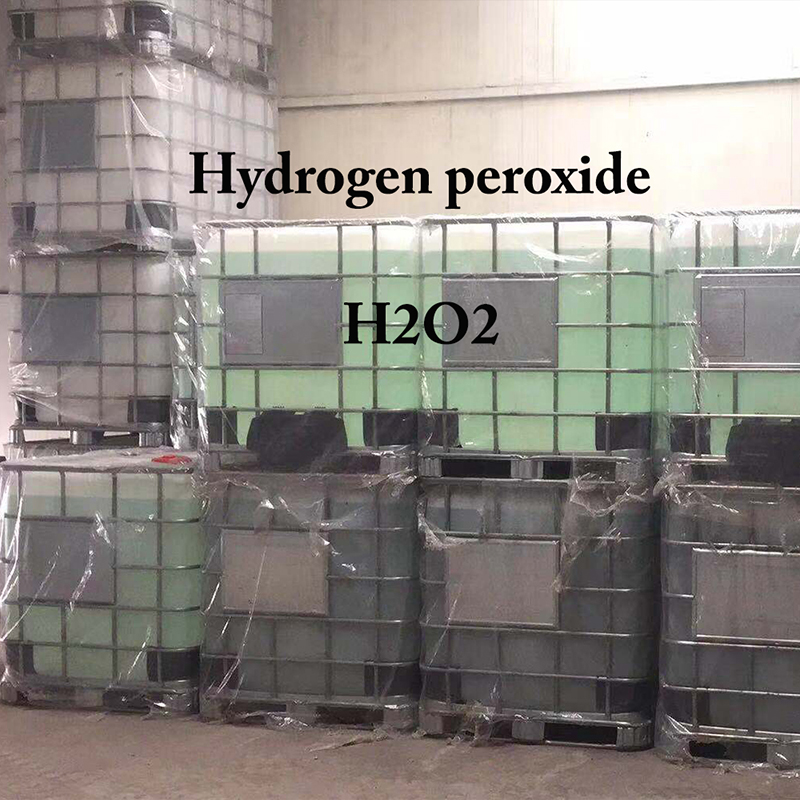
Risk assessment scales directly alongside concentration levels. Regulatory compliance requirements also tighten as the percentage increases. Facility managers must treat different grades as entirely separate chemical hazards. A spill of a low-grade solution requires different protocols than an industrial leak.
These solutions remain stable under normal ambient conditions. You will typically find them in household settings or light commercial applications. Your primary safety concern is mild skin or eye irritation. Standard packaging works perfectly well. Manufacturers ship these grades in opaque plastic bottles. The slight decomposition rate rarely generates enough pressure to rupture these standard containers.
You face a high risk of rapid decomposition at this tier. Operations utilizing these grades must maintain strict control measures. Any contact with combustible materials can cause spontaneous ignition. You cannot allow it to touch wooden pallets or cardboard packaging. Personnel must wear strict personal protective equipment (PPE). Facilities require isolated storage zones. Regulatory bodies strictly monitor how you handle these concentrations.
We see these extreme concentrations primarily in aerospace and specialized industrial sectors. They present an extreme explosion hazard. Even microscopic contaminants cause violent reactions. You must implement bespoke facility engineering. Highly restricted handling protocols govern every transfer. Only specially trained technicians should ever handle high-test mixtures. Standard industrial safeguards will not prevent a disaster at this concentration.
Concentration Level | Primary Application | Key Hazard Profile | Storage Requirement |
|---|---|---|---|
3% - 10% | Consumer / Light Commercial | Mild irritation; low pressure build-up | Standard opaque plastics |
30% - 50% | Industrial / Laboratory / Bleaching | Spontaneous ignition of organics; strong oxidizer | Vented, segregated, passivated tanks |
70%+ (HTP) | Aerospace / Propellants | Extreme explosion risk; violent thermal runaway | Bespoke engineering; Class 1 isolation |
You must actively identify operational vulnerabilities in your workflow. Accidents rarely happen without a catalyst. Most incidents occur during routine handling procedures. Understanding these failure points helps you write better safety protocols.
Cross-contamination during fluid transfer: Using a shared hose for multiple chemicals introduces deadly trace elements.
Improper pump selection: Standard industrial pumps often contain brass or copper fittings internally.
Poor housekeeping: Dust, dirt, or organic debris settling on container lids can trigger localized reactions.
Unapproved gasket materials: Rubber seals degrade quickly and catalyze the liquid passing through them.
Primary decomposition catalysts exist everywhere in a typical factory. Heavy metals pose the greatest threat. You must eliminate all contact with copper, iron, brass, and zinc. Organic compounds also trigger aggressive decomposition. Alkaline materials destabilize the chemical rapidly. Even a single speck of rust inside a pipe can initiate a chain reaction. Once the reaction begins, it generates heat, which further accelerates the breakdown.
Thermal factors play a massive role in stabilization. Storing hydrogen peroxide near heat sources guarantees trouble. Unconditioned warehouses experience severe temperature swings during summer months. Higher ambient temperatures accelerate the decomposition rate exponentially. This heat compounds the pressure build-up inside the vessels. Always store your inventory in a cool, climate-controlled environment away from direct sunlight.
Facility managers carry the burden of selecting proper storage solutions. You must evaluate every tank, pipe, and containment basin thoroughly. Taking shortcuts during the design phase invites disaster. Industry guidelines dictate specific evaluation criteria for safe operations.
Selecting the right material prevents catalytic reactions. You cannot compromise here. Acceptable materials include High-Density Polyethylene (HDPE) and PTFE (Teflon). For large-scale metal tanks, you must use 316L or 304L stainless steel. Furthermore, you must properly passivate the stainless steel using nitric acid before introducing the chemical. Passivation removes free iron from the metal surface.
Unacceptable materials dominate older industrial facilities. You must audit your systems to remove them. Carbon steel, brass, and copper will cause immediate decomposition. Rubber hoses and standard neoprene gaskets dissolve upon contact. Verify every single valve and O-ring in your transfer line. If you remain unsure about a component's composition, replace it.
Component Category | Approved Materials | Strictly Prohibited Materials |
|---|---|---|
Tanks & Drums | HDPE, Passivated 316L/304L Stainless | Carbon Steel, Aluminum, Copper |
Piping & Valves | PTFE lined, 316L Stainless | Brass, Bronze, Iron |
Gaskets & Seals | PTFE (Teflon), Viton (Specific grades) | Natural Rubber, Neoprene, Buna-N |
Sealed containers represent a severe rupture hazard. Because the chemical naturally breaks down into water and oxygen, pressure always builds. You must mandate the use of specialized vented caps on all small drums and totes. For bulk storage tanks, emergency pressure relief valves (PRVs) are absolutely mandatory. A blocked vent causes the tank to swell. Eventually, the metal or plastic will fail catastrophically, creating a lethal shockwave and chemical flood.
Regulatory bodies enforce strict containment rules. You must isolate this chemical from flammable liquids, acids, and reducing agents. Never store it in the same containment basin as organic solvents. Ensure your secondary containment basins remain completely clean. They must be free of organic debris, fallen leaves, or incompatible paint coatings. A spill mixing with organic debris inside a containment trench will spark an immediate fire.
Responding to an emergency requires specialized knowledge. Intuitive reactions often make these specific incidents worse. You must outline specific, counter-intuitive steps to guide your safety policy formulation. Train your initial responders thoroughly on these exact methods.
Spill response logic centers entirely on dilution. Dilution acts as your primary solution. You need massive amounts of water to lower the concentration. You must force the concentration below hazardous thresholds before attempting cleanup. Never absorb a spill using combustible materials. Do not throw standard sawdust, paper towels, or cloth rags onto a puddle of high-concentration H2O2. They will ignite almost instantly. Use inert, non-combustible absorbents only after heavy dilution.
Fire suppression realities surprise many seasoned firefighters. Because the chemical supplies its own oxygen to the fire, smothering agents fail. Blanketing the flames with chemical foam, CO2, or dry powder proves highly ineffective. The fire simply breathes the oxygen released by the thermal breakdown. Copious amounts of water deluge represent your only viable tactic. Water serves two critical purposes. It cools the exothermic reaction safely. It also dilutes the remaining chemical reservoir, starving the reaction cycle.
While not a fuel source itself, hydrogen peroxide acts as a highly dangerous accelerant. Industrial concentrations transform ordinary combustible materials into volatile fire hazards. We must stop treating it as a benign liquid. Safe operations require total commitment to chemical compatibility and environmental control. When you respect the chemistry, you protect your facility from thermal runaway.
Conduct a comprehensive material compatibility audit of your current storage tanks, transfer pumps, and piping systems.
Review your chemical segregation policies to ensure absolute isolation from flammables, acids, and organic compounds.
Replace all sealed caps with approved vented closures to eliminate pressure rupture hazards.
Consult with certified chemical storage vendors to guarantee your infrastructure complies with current OSHA and EPA guidelines.
Update your emergency response protocols to mandate heavy water deluge rather than standard smothering techniques.
A: Standard industrial grades do not explode simply from kinetic shaking. However, ultra-high concentrations (HTP) can be sensitive to severe shock. The real danger lies in trapped gas. Shaking accelerates the release of oxygen bubbles. If the container lacks proper venting, the rapid pressure build-up will cause the vessel to violently rupture.
A: Mixing these two creates a highly violent, exothermic reaction. The bleach rapidly catalyzes the peroxide, releasing large volumes of oxygen gas and extreme heat. Depending on the exact chemicals used, it can also release highly toxic chlorine gas. This remains a common and very dangerous handling error in commercial cleaning.
A: No. It decomposes strictly into liquid water and oxygen gas. Oxygen itself is not flammable. However, oxygen is an oxidizer. An oxygen-enriched environment makes everything around it highly combustible, causing normal materials to ignite at lower temperatures and burn furiously.
A: The decomposition rate doubles for every 10°C (18°F) rise in temperature. While no single temperature triggers instant danger in stabilized solutions, prolonged storage above 30°C (86°F) accelerates degradation rapidly. Facilities should maintain cool, shaded storage areas to ensure long-term chemical stability and prevent dangerous pressure spikes.


