
Views: 0 Author: Site Editor Publish Time: 2026-06-30 Origin: Site


Disposing of strong oxidizers represents an immediate operational challenge for any facility. It never follows a simple drain-pour scenario. Because of its high reactivity and strong oxidizing properties, nitric acid requires extreme caution. Regulatory agencies also monitor its disposal heavily. Improper handling frequently leads to severe and immediate consequences. You might experience over-pressurization causing violent explosions. Toxic nitrogen dioxide off-gassing creates lethal inhalation risks for your staff. Furthermore, facilities often face crippling EPA or RCRA compliance fines for improper management.
This guide serves as a practical decision-support framework. Lab managers, facility safety officers, and industrial users must make critical choices daily. We help you evaluate your operational options safely and compliantly. You will learn exactly when you can neutralize small batches in-house. More importantly, you will understand when you must contract a certified hazardous waste disposal service. Protecting your personnel and your organizational budget depends on these critical decisions.
Never mix HNO₃ with organics: Nitric acid is a strong oxidizer; mixing it with organic solvents causes violent, gas-producing reactions that shatter containers.
Volume and contamination dictate the method: Small, pure, dilute volumes can sometimes be neutralized in-house; fuming nitric acid or heavy-metal-contaminated acid (e.g., from jewelry making) requires professional disposal.
Vented caps are mandatory for storage: Accumulating nitric acid waste requires specialized, vented caps to prevent explosive pressure build-up from continuous gas generation.
Professional disposal mitigates liability: Outsourcing to licensed hazardous waste handlers transfers the physical and regulatory risks associated with RCRA compliance.
Improper disposal of HNO₃ introduces massive operational hazards. You cannot treat it like standard chemical waste. Let us examine the most common environmental health and safety (EHS) failures. University and industrial lab incident reports frequently highlight a specific, recurring disaster. Workers accidentally combine it with organic waste. Ethanol, acetone, and other common solvents react violently. This incompatibility creates delayed exothermic explosions.
The reaction generates massive internal pressure. Glass waste bottles shatter violently across the laboratory. Shrapnel and corrosive liquids severely injure nearby personnel. You must actively prevent these incompatible mixing scenarios. Strict segregation protocols are absolutely mandatory.
Toxic gas generation presents another critical risk. Improper handling releases nitrogen dioxide (NO₂) gas. This highly toxic, reddish-brown gas requires strict fume hood use. Inhaling NO₂ causes severe respiratory damage rapidly. It can trigger delayed pulmonary edema hours after exposure. You must never underestimate this invisible inhalation hazard. Proper ventilation separates a safe lab from a fatal incident.
Finally, consider your regulatory and financial exposure. Violating Resource Conservation and Recovery Act (RCRA) guidelines brings severe consequences. Improper manifesting triggers heavy federal fines. Drain disposal without proper neutralization violates clean water laws. Environmental Protection Agency (EPA) inspectors penalize non-compliant facilities heavily. These fines easily cripple departmental budgets. Proper disposal protects both your personnel and your organizational finances.
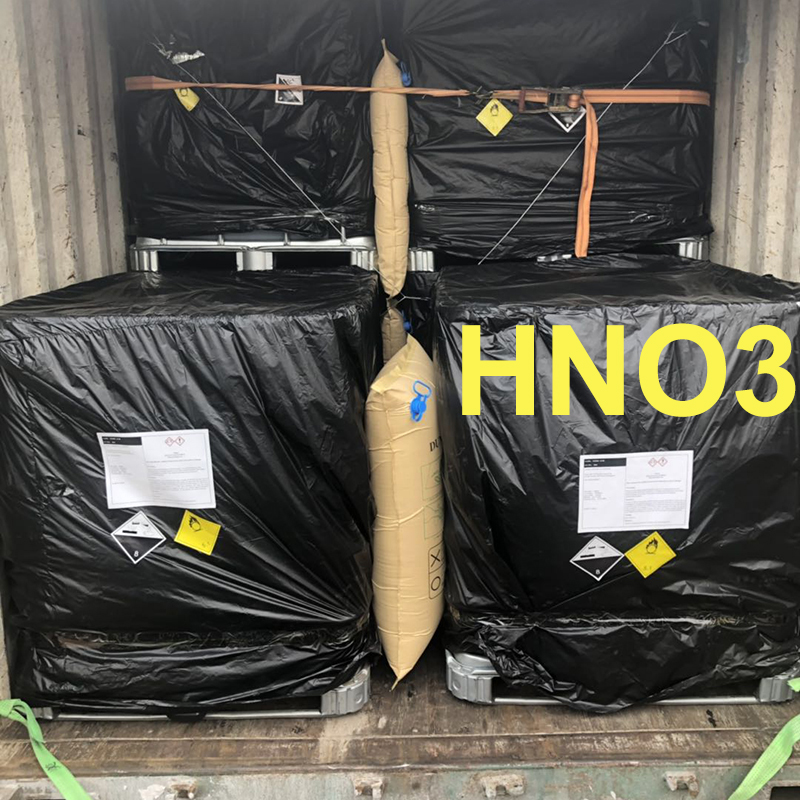
Choosing between in-house processing and external removal requires careful evaluation. You need a reliable decision framework. This protects your facility and empowers your staff to act decisively. We break down the feasibility criteria below.
First, evaluate your in-house feasibility. We recommend this route only under specific, highly controlled conditions. You must meet strict operational criteria. Volumes should remain incredibly low. Typically, we advise neutralizing batches strictly under 500ml. The concentration must be low. You cannot have any heavy metal contamination present. An operational, recently certified chemical fume hood is absolutely non-negotiable. If you lack any of these, abandon the in-house approach immediately.
You must also calculate the hidden costs of doing it yourself. Labor hours add up quickly when performed correctly. PPE consumption increases your daily overhead. Accidental spills introduce unnecessary liability and cleanup times. Sometimes, neutralizing chemicals yourself costs more than outsourcing.
Next, recognize when you must mandate professional disposal. Certain chemical conditions demand outsourced expertise. High volumes automatically require external help. Fuming nitric acid (concentrations exceeding 86%) is too dangerous for manual neutralization. Expired or crystallized bottles pose extreme explosion risks. Acid used in metal etching or jewelry making contains heavy metals. Copper and silver contaminants transform simple acids into mixed hazardous waste. You cannot pour mixed hazardous waste down any drain.
Professional removal offers a clear value proposition. It entirely eliminates the risk of sudden EHS incidents. Licensed handlers guarantee proper EPA manifesting and transport. Outsourcing standardizes your lab safety workflows safely. You transfer the physical risk completely away from your staff.
Decision Matrix Summary Chart | ||
Criteria | In-House Neutralization | Professional Disposal |
|---|---|---|
Volume limits | Under 500ml per batch | Unlimited volume |
Concentration | Dilute solutions only | Includes fuming (>86%) and concentrated |
Contaminants | Pure acid; zero heavy metals | Mixed waste (copper, silver, organics) |
Required Equipment | Fume hood, specialized PPE, neutralizers | Standard compliant storage containers |
Primary Risk Profile | High physical risk to internal staff | Transferred liability; highly risk-averse |
When you meet the strict criteria for small batch processing, proceed cautiously. Safety demands flawless execution. You cannot rush this procedure. Proper preparation separates successful neutralization from hazardous spills.
You must wear prerequisite safety gear at all times. Appropriate PPE is your last line of defense against chemical burns.
Wear acid-resistant heavy-duty gloves (such as thick neoprene or specialized nitrile).
Use unvented chemical splash goggles to protect your eyes.
Wear a full transparent face shield over your goggles.
Work exclusively inside a fully functional, recently tested chemical fume hood.
Always follow the universal dilution rule. This fundamental chemistry rule prevents rapid disasters. Always add acid to water slowly. You must never add water to acid. Breaking this rule causes rapid, violent boiling. The resulting steam and splashes cause severe chemical burns. The heat of dilution must dissipate safely into the larger volume of water.
Follow this step-by-step neutralization process meticulously:
Prepare a cold-water ice bath to manage the generated exothermic heat effectively.
Place a large, sturdy glass beaker of water into the cooling bath.
Slowly drop the dilute acid into the water while stirring continuously.
Gradually mix in a weak base like sodium carbonate or sodium bicarbonate.
Monitor the reaction closely. Foaming and vigorous fizzing are entirely expected.
Wait patiently for the visible reaction to subside completely.
Use reliable pH paper to confirm a neutral pH. The reading must sit strictly between 6.0 and 8.0.
Only after achieving this precise pH range can you consider municipal drain disposal. Always verify this specific action complies with local Publicly Owned Treatment Works (POTW) regulations. Some municipalities ban all laboratory discharges regardless of pH levels. Check your local ordinances first.
Storage practices dictate your daily laboratory safety. Accumulating waste correctly prevents passive disasters from occurring overnight. Proper segregation is the cornerstone of any EHS program.
Secondary containment is an absolute mandate. You must use dedicated, acid-resistant secondary containment trays. Heavy-duty polyethylene trays work exceptionally well for this purpose. You must separate these trays entirely from other chemical classifications. Keep them far away from flammables, bases, and organic materials. Accidental mixing inside a storage cabinet causes catastrophic, unseen fires. Segregation prevents incompatible chemicals from meeting during accidental leaks.
Venting requirements are equally critical for strong oxidizers. Standard tightly sealed caps fail dangerously over time. As the acid naturally degrades, it generates nitrogen oxide gases continuously. Sealed containers trap these expanding gases inside. This creates explosive internal pressure build-up. Eventually, the glass shatters. Therefore, vented caps are an absolute requirement for accumulation. They release internal pressure safely while containing the corrosive liquid.
Proper labeling and inventory management ensure full regulatory compliance. Every storage container must feature a clear "Hazardous Waste" label. You must include specific oxidizer and corrosive warning pictograms. Environmental regulators require the exact start date of accumulation clearly written on the label. Missing or illegible dates trigger immediate compliance citations. Maintain detailed digital inventory logs to track every milliliter in your facility.
Finding the right vendor secures your operational safety. You need a reliable, fully licensed partner. Outsourcing does not automatically erase your responsibility. Under RCRA guidelines, facilities maintain cradle-to-grave liability for their waste. You must choose wisely.
Start with strict compliance verification. Audit their credentials thoroughly before signing any contracts. Check their RCRA permits for current validity in your state. Ensure they maintain DOT-compliant transport capabilities for highly corrosive oxidizers. Review their historical record of EHS violations. A reputable vendor willingly shares their compliance and safety records. You must actively protect your facility from negligent or under-insured contractors.
Next, evaluate their complete service scope. Do they provide comprehensive lab-packing services? Field chemists should categorize and pack the waste for you. They should supply compliant storage containers directly to your facility. Providing specialized vented caps is a strong indicator of vendor competence. Ensure they handle the final regulatory paperwork perfectly. You want a vendor who manages the entire logistical chain seamlessly.
Frame this operational expense as vital risk reduction. Do not view professional disposal as mere overhead. It functions as a crucial insurance policy for your facility. You prevent catastrophic property damage. You eliminate potential life-altering worker injuries. You sail through rigorous compliance audits without facing penalties. The cost of a single accident easily dwarfs decades of professional disposal fees.
In-house neutralization remains chemically possible for extremely small, pure amounts. However, the margin for operational error remains razor-thin. One small procedural mistake causes severe injuries, toxic exposure, or property damage. The risks rarely justify the minor cost savings.
We strongly advise a safer, more sustainable approach. Commercial, educational, and industrial facilities should establish a routine pickup schedule. Partnering with a certified waste disposal handler represents the most scalable strategy. It is highly risk-averse and fully compliant. It keeps your specialized personnel focused on their core operational tasks rather than waste management.
Take immediate action today. Audit your current chemical inventory closely. Assess your waste segregation protocols for any hidden vulnerabilities. Finally, request a comprehensive quote or safety consultation from a certified hazardous waste management provider. Protect your people, secure your facility, and maintain strict environmental compliance.
A: No. Unless it has been explicitly neutralized to a pH of 6-8, contains absolutely no heavy metal contaminants, and your local municipality allows it, pouring active HNO₃ down the drain damages plumbing and violates environmental laws.
A: Acid used to dissolve metals (like silver or copper) cannot be simply neutralized and poured out. It is considered mixed hazardous waste due to the heavy metals and must be managed by a professional disposal service.
A: Do not attempt to open or move it if there are signs of crystallization or container degradation. Contact an EHS professional or emergency hazardous waste team immediately, as it poses a severe explosion and inhalation hazard.
A: Nitric acid slowly decomposes over time, releasing nitrogen oxide gases. A tightly sealed cap will trap these gases, leading to dangerous pressure buildup and eventual container explosion.


