
Views: 0 Author: Site Editor Publish Time: 2026-06-12 Origin: Site


The immediate foaming reaction when applying hydrogen peroxide to a surface or scrape is universally recognized. Many people frequently misinterpret this visual feedback as a definitive sign of disinfection or healing. We often grow up believing those bubbles mean the solution is actively destroying harmful bacteria.
While the bubbling effect feels reassuring, understanding the underlying chemical mechanism is critical. You must evaluate carefully when to use this solution. It requires a different approach for wound care, facility cleaning, or heavy industrial application. Using the wrong concentration in the wrong environment creates severe risks.
This guide breaks down the biological and chemical catalysts behind the reaction. We dispel common usage myths surrounding the fizz. You will gain an evidence-based framework for selecting the right application and concentration. By auditing your current protocols, you can deploy this chemical safely and effectively.
Bubbling is a visual indicator of rapid oxygen release triggered by the enzyme catalase, not a direct measurement of bacterial destruction.
Current medical consensus advises against using H2O2 for standard wound care due to its potential to damage healthy cellular tissue and delay healing.
The foaming reaction remains highly effective for surface disinfection, sanitizing drains, and breaking down organic matter in non-biological environments.
Choosing between standard 3% household grades and higher industrial concentrations depends entirely on safety compliance and the specific oxidation requirements of the task.
Users often assume the fizzing sound translates directly to bacteria dying. This misunderstanding leads to rampant overuse in improper scenarios. People pour it over open wounds, assuming a vigorous foam equals a perfectly sterile environment. We need to look closely at the actual chemistry to understand why this assumption fails.
The foaming process fundamentally relies on an enzyme called catalase. Most living organisms produce catalase to protect themselves from oxidative stress. You will find it abundantly in human blood, skin cells, and certain types of bacteria. When you introduce the chemical to these biological materials, an immediate reaction begins.
Under normal conditions, the solution breaks down very slowly on its own. It gradually turns into water and oxygen over months or years. Catalase acts as a high-speed biological accelerant. It binds to the chemical molecules and forces them to decompose almost instantly. The enzyme survives the process unchanged, allowing it to dismantle millions of molecules per second.
To grasp the mechanism, look at the rapid decomposition process. The reaction follows a straightforward chemical equation. Catalase acts on the substrate to produce two harmless byproducts.
Input: Two molecules of the solution (2 H2O2).
Catalyst: The catalase enzyme initiates the rapid split.
Output: Two molecules of water (2 H2O) plus one molecule of oxygen gas (O2).
You must understand what you are actually seeing. The visible bubbles are simply trapped oxygen gas escaping the liquid solution. Water forms the base liquid, while the sudden release of O2 creates the familiar foam. The fizzing does not represent screaming bacteria. It merely shows oxygen rushing to the surface.
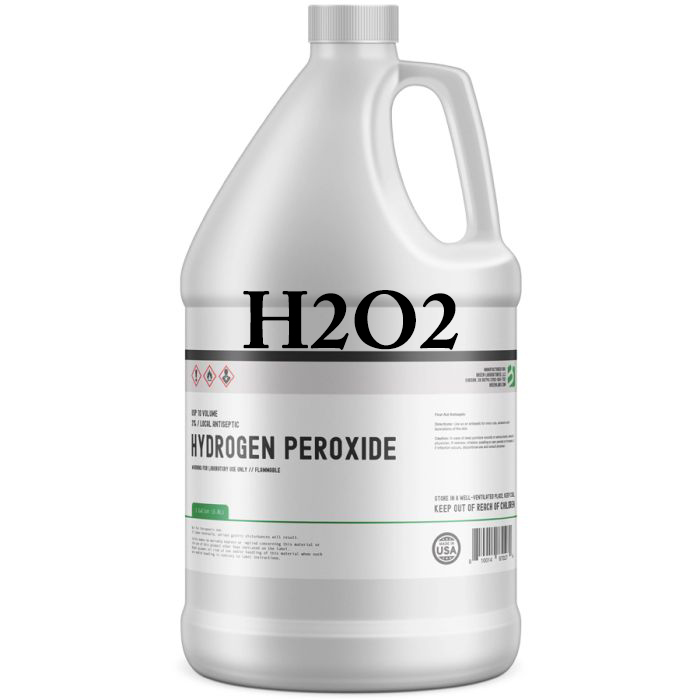
Assessing the efficacy of this chemical requires separating biological applications from environmental cleaning. You cannot judge success using the same metrics for both scenarios. The reaction behaves identically in a chemical sense, but the practical outcomes differ drastically.
When you suffer a scrape, your damaged human cells tear open. Healthy blood rushes to the site. Both your damaged cells and your red blood cells contain massive amounts of catalase. They trigger the rapid foaming reaction regardless of whether bacteria are present in the wound.
Even if you thoroughly wash a minor cut with sterile soap, applying the chemical will still cause fizzing. The solution reacts to your own healthy biology. It oxidizes cellular membranes indiscriminately. This proves the foaming is an unreliable metric for measuring bacterial contamination in biological tissue.
Environmental applications require a different success criteria. When you pour the solution down a dirty sink, the bubbling tells a different story. Drain pipes do not contain human blood cells. Instead, they harbor organic buildup, rotting food particles, and specific drain bacteria.
Many of these environmental contaminants produce their own catalase. Furthermore, inorganic materials like metal ions act as alternative catalysts. Bubbling in a sink indicates the successful oxidation of this organic sludge. It validates the chemical as an effective surface-level degreaser and sanitizer.
Biological vs. Environmental Reaction Context | |||
Context | Primary Catalyst | Meaning of the Bubbles | Recommended Action |
|---|---|---|---|
Human Skin/Wounds | Blood cells and damaged tissue | Reaction to your own healthy cells. | Stop usage; switch to saline or mild soap. |
Kitchen Drains | Organic waste, food bacteria | Oxidation of unwanted grime. | Effective application; flush clear after 10 minutes. |
Hard Surfaces | Environmental bacteria, trace metals | Active breakdown of contaminants. | Wipe clean; effective sanitization achieved. |
We must deconstruct the persistent myth equating more bubbles to better healing. The visual drama of the foam tricks us into feeling productive. In reality, the fizz only indicates the presence of a catalyst. It provides zero information about the actual destruction of targeted pathogens.
Clinical evidence strongly discourages using this aggressive oxidizer on living tissue. Fibroblasts are specialized cells required for tissue repair. They migrate to the wound bed to build new collagen networks. H2O2 destroys these delicate fibroblasts on contact.
By eliminating the very cells trying to heal you, you inadvertently prolong recovery times. The indiscriminate oxidation damages newly forming blood vessels. This aggressive cellular destruction often leads to increased scarring. A wound kept clean but free from harsh oxidizers heals faster and cleaner.
Common Mistakes in First Aid: Do not use it to soak a newly pierced ear. Do not apply it daily to a healing scab. These actions strip away the protective cellular layer, inviting secondary infections.
The chemical remains an FDA-recognized antimicrobial agent. It holds legitimate authority in medical sterilization environments. However, clinical guidelines emphasize its mechanism of action is too aggressive for routine open-wound management. Medical professionals reserve it for sanitizing surgical instruments or cleaning specific non-living surfaces in hospitals.
You must match the grade of the chemical to the intended operational or domestic outcome. Using the wrong concentration leads to either ineffective cleaning or dangerous chemical burns. Understanding solution categories ensures safety and efficiency.
3% Household/Medical Grade: This standard brown-bottle version sits in most bathroom cabinets. Manufacturers dilute it heavily with purified water. It remains best suited for minor household cleaning, sanitizing toothbrushes, and targeted stain removal on fabrics. It breaks down organic stains like wine or blood effectively.
6% to 12% Beauty Grade: Hair salons use these intermediate concentrations as developers. They break down natural hair pigment. You should never apply this grade directly to the skin for cleaning purposes.
Food Grade (35%): The agricultural and food manufacturing sectors rely on this robust concentration. They use it to sanitize processing equipment, wash vegetables at scale, and treat water lines. It contains no heavy metal stabilizers.
Industrial Grades (up to 90%): Heavy-duty manufacturing requires extreme oxidation power. Paper mills bleach wood pulp using high concentrations. Aerospace engineering even utilizes 90% grades as rocket propellant.
High-concentration solutions carry severe handling risks. Anything above 10% requires specialized personal protective equipment. Direct contact with 35% solutions causes immediate, severe chemical burns to the skin and eyes. You must store these chemicals in well-ventilated areas, away from combustible materials.
Best Practices for Storage: Always respect regulatory storage requirements. UV light exposure drastically accelerates degradation. This explains the industry standard of using dark brown or opaque bottles. Keep the solution in a cool, dark environment to maintain its oxidative potency. Once opened, a standard 3% bottle typically loses peak efficacy within six months.
Establishing an actionable logic framework helps standardize protocols in homes or facilities. You need to know when to reach for the brown bottle and when to choose an alternative. We evaluate options based on safety, residue profiles, and material compatibility.
We recommend entirely replacing harsh oxidizers in your first-aid kit. Rely on evidence-backed alternatives that protect cellular integrity.
Sterile Saline Solutions: Saline provides a gentle, isotonic wash. It physically removes debris and loose bacteria without harming fibroblasts.
Mild Soap and Water: The mechanical action of washing with basic soap dislodges pathogens effectively. It remains the gold standard for initial wound cleaning.
Petroleum Jelly: Once clean, applying a thin layer of petroleum jelly keeps the abrasion moist. Moist environments promote rapid cell migration and prevent scarring.
When cleaning facilities, compare your options carefully. You must balance killing power against potential surface damage.
EPA-registered quaternary ammonium compounds (quats) leave a residual antimicrobial layer on surfaces. They offer excellent continuous protection but can leave a sticky film. Bleach provides a highly economical, broad-spectrum kill. However, bleach emits harsh fumes and damages porous surfaces.
Avoid using oxidative cleaners on certain metals like brass or copper to prevent accelerated corrosion. They excel on glass, tile, and stainless steel, breaking down into harmless water and oxygen without leaving toxic residues.
Disinfectant Comparison Chart | |||
Product Type | Primary Mechanism | Residue Profile | Best Use Case |
|---|---|---|---|
Oxidative (H2O2) | Destroys cell walls via oxidation | None (breaks down to water/oxygen) | Glass, sanitizing food-prep areas, drains |
Quats | Disrupts cell membranes | Leaves active residual film | High-touch hospital surfaces, floors |
Bleach | Unfolds pathogen proteins | Leaves salt residue; emits fumes | Toilets, non-porous heavy biohazard spills |
Hydrogen peroxide possesses a dual nature in modern applications. It remains a powerful, residue-free oxidative tool for environmental surfaces. Conversely, the medical community widely recognizes it as an outdated, aggressive method for routine biological wound care. The famous fizz signals a chemical breakdown, not a successful medical treatment.
Stop using oxidative solutions on minor cuts to preserve healthy healing cells.
Leverage the bubbling reaction to aggressively sanitize non-porous surfaces and break down organic drain matter.
Match the solution concentration strictly to your specific household or industrial requirement.
Store all bottles in cool, dark environments to prevent rapid degradation.
Take time today to audit your current first-aid and cleaning protocols. Remove outdated advice from your medical kits. Ensure you deploy these chemicals safely, efficiently, and strictly for their optimal use cases.
A: Drains contain high levels of organic waste, food bacteria, and trace metals. These environmental contaminants act as catalysts. They force the solution to decompose rapidly into water and oxygen gas. The resulting bubbles indicate the successful oxidation and physical breakdown of the organic sludge trapped in your plumbing.
A: Yes. Light, heat, and time degrade the solution naturally. Over several months, it breaks down completely into plain water. If you apply it to a known catalyst like a dirty surface or blood and see no fizz, the active molecules have dissipated. You should discard the inactive water.
A: Yes. The human immune system utilizes a highly controlled internal mechanism. Specific white blood cells, called neutrophils, produce tiny amounts of the chemical. They engulf invading bacteria and use the oxidizer internally to destroy the pathogens. This localized, microscopic attack differs entirely from pouring large liquid volumes onto an open wound.
A: No. You must never mix these two chemicals in the same container. Combining them creates peracetic acid. This highly corrosive acid irritates the skin, eyes, and respiratory system. If you want to use both for cleaning, apply one, wipe the surface completely dry, and then apply the other.


