


Is a common household chemical secretly a severe industrial hazard? The danger profile of h2o2 is entirely dependent on its concentration, storage conditions, and application environment. While low concentrations sit safely in medicine cabinets, industrial variants demand profound respect. Improper handling often leads to catastrophic workplace accidents.
Decision-makers must weigh operational efficacy against required compliance, specialized storage, and occupational hazard protocols. You cannot treat a 35% solution the same way you treat a 3% solution. Failing to understand these variables triggers unnecessary regulatory burdens. It also exposes workers to immense risks.
Our objective is to provide an evidence-based framework for assessing the safety, regulatory, and implementation realities of using hydrogen peroxide across commercial and residential applications. We will explore exposure pathways and outline strict storage rules. Let us unpack how you can utilize this powerful oxidizer safely.
Toxicity and hazard levels scale non-linearly with concentration (3% household vs. 30%+ industrial grades).
Inhalation and ingestion of high-concentration H2O2 require immediate, specialized emergency response; standard first-aid is insufficient.
Commercial implementation demands strict adherence to OSHA and EPA compliance, particularly regarding vented storage and incompatible materials.
Selecting the right concentration involves shortlisting based on the minimum viable potency needed to achieve the desired outcome without triggering elevated regulatory burdens.
You must understand the molecular structure to grasp the associated risks. The extra oxygen molecule defines h2o2 in chemistry. This unstable peroxide bond constantly wants to break apart. It decomposes into water and oxygen gas. This volatility drives its incredible effectiveness as an oxidizer. However, this exact same mechanism creates its primary safety hazard. Rapid decomposition releases massive amounts of energy and gas.
Lower concentrations dominate residential applications. You will typically find 3% solutions in pharmacies. These mixtures contain mostly water. They present very minor risks. Direct skin contact might cause mild irritation. It may turn the skin temporarily white. Ingestion causes mild gastric upset. Storage compliance requires very little effort. Keep the bottle tightly closed in a dark cabinet. These grades do not require specialized hazmat handling.
Industrial applications require much stronger solutions. The hazard profile shifts dramatically at 30% and above. These liquids are highly reactive. They cause rapid tissue necrosis upon contact. They destroy living cells in seconds. Airborne mists create severe respiratory toxicity. Furthermore, high concentrations present extreme explosion risks. If they touch organic compounds, spontaneous combustion can occur. You must treat these solutions as dangerous hazardous materials.
Decision-makers face a critical choice. You must evaluate whether a higher concentration is genuinely required. Establish a clear baseline for your specific use case. Over-specifying the concentration increases your danger levels exponentially. It also forces you to adopt strict safety protocols. Always aim for the minimum effective concentration. This strategy keeps your workers safe. It also simplifies your regulatory obligations.
Grade Category | Typical Concentration | Primary Hazards | Common Applications |
|---|---|---|---|
Household / Medical | 3% - 10% | Mild irritation, minor off-gassing | First aid, hair bleaching, minor cleaning |
Commercial | 10% - 25% | Eye damage, skin burns, vapor irritation | Pool shock, agricultural cleaning |
Industrial / Food-Grade | 30% - 50% | Tissue necrosis, explosions, severe toxicity | Paper bleaching, food line sanitation |
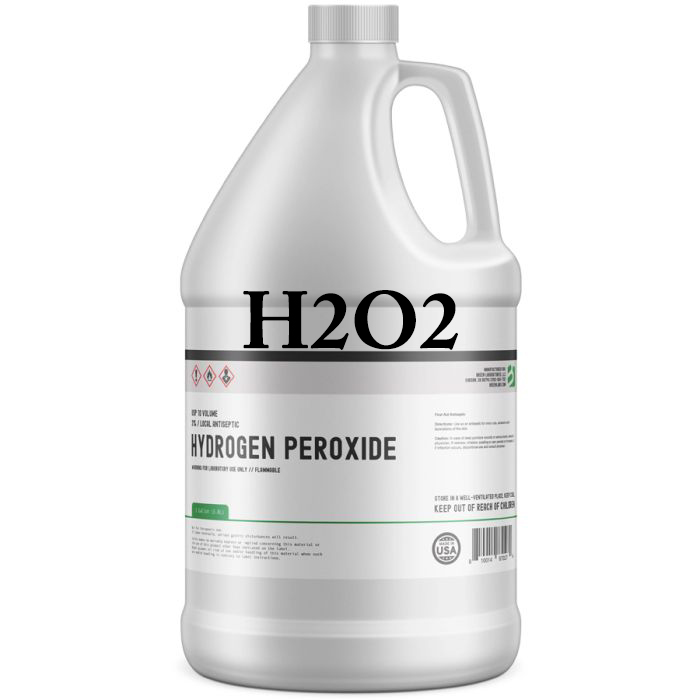
Skin and eye contact present immediate dangers. Solutions above 10% cause severe chemical burns. The liquid attacks the skin rapidly. You will notice a distinct white discoloration. This indicates localized oxygen bubble formation under the epidermis. It is painful and takes time to heal.
Ocular exposure is far more critical. Splashes of high-concentration solutions cause permanent corneal damage. The oxidizer destroys eye tissue almost instantly. Blindness can result from even minor splashes. You must act incredibly fast if an eye exposure occurs. Standard safety glasses often provide inadequate protection against targeted splashes.
Breathing vapors introduces the chemical directly into the lungs. Poorly ventilated industrial environments magnify this hazard. Spraying or fogging applications create dangerous airborne mists. These mists carry active oxidizers into the respiratory tract.
Threshold limits exist to prevent pulmonary irritation. Exposure beyond these limits causes severe respiratory distress. Workers may experience coughing, choking, and shortness of breath. Chronic exposure leads to prolonged lung damage. Always measure vapor levels in enclosed workspaces. Proper ventilation is non-negotiable.
Swallowing this chemical introduces severe mechanical dangers. The liquid rapidly breaks down inside the stomach. This breakdown releases massive volumes of oxygen gas. The expansion ratio is shocking.
3% Solution: 1 mL releases 10 mL of oxygen gas.
10% Solution: 1 mL releases 33 mL of oxygen gas.
30% Solution: 1 mL releases 100 mL of oxygen gas.
This rapid gas expansion causes severe internal pressure. Low concentrations typically induce mild emetic effects. You will vomit the liquid back up. High concentrations cause severe internal tissue damage. The stomach can physically rupture. Gas embolism is another fatal risk. Oxygen bubbles enter the bloodstream and block blood flow to the heart or brain. Never induce vomiting if someone swallows a high-concentration solution.
Chemical reactions dictate your storage strategy. You must prevent contact between the liquid and incompatible materials. Transition metals act as violent catalysts. Iron, copper, and zinc accelerate decomposition rapidly. Even a tiny speck of rust can trigger a runaway reaction.
Organic materials pose another massive risk. Wood, paper, and cloth absorb the liquid. As the chemical decomposes, it feeds pure oxygen to these combustibles. They can spontaneously ignite. Alkalis and high-pH substances also cause rapid destabilization. You must strictly isolate your inventory from these incompatible substances.
Proper storage prevents catastrophic facility damage. You must utilize specialized containers. Mandatory use of vented caps is required for all high-concentration drums. Vented caps allow trapped oxygen gas to escape safely. If you use a tightly sealed cap, the drum becomes a pressurized bomb. It will eventually rupture violently.
Secondary containment protocols are essential. Place primary containers inside larger chemical spill pallets. These catch any leaks before they reach the floor. Temperature-controlled environments are also mandatory. Heat accelerates decomposition. A cool, dark storage room significantly reduces expansion risks.
Federal regulations strictly govern occupational exposure. OSHA sets the permissible exposure limit (PEL). The current PEL stands at 1 part per million (ppm) averaged over an eight-hour shift. This is an incredibly low threshold. You must respect it.
Implementing continuous monitoring systems is critical. You need specialized sensors in your storage areas. These sensors detect vapor leaks early. They sound alarms before vapor concentrations reach dangerous levels. Document your safety checks regularly. Provide comprehensive training to all employees handling the inventory.
Personal protective equipment stands between your workers and severe injury. Standard latex gloves fail completely. High concentrations dissolve latex rapidly. You must specify heavy-duty nitrile or neoprene gloves. These materials resist oxidative attack.
Standard safety glasses are insufficient. You need chemical splash goggles. They create a tight seal around the eyes. For highly concentrated handling, mandate full face shields. Workers must wear chemical-resistant aprons or full protective suits. Cover all exposed skin. Do not cut corners on protective gear.
Accidents happen. Your response dictates the outcome. Follow a strict containment logic. Never use combustible absorbents. Do not throw paper towels on a 35% spill. Do not use sawdust. These materials will catch fire.
Evacuate the immediate area: Remove all non-essential personnel immediately.
Don specialized PPE: Responders must wear appropriate protective gear before approaching.
Contain the perimeter: Use non-combustible chemical booms or sand to stop the spread.
Apply massive water dilution: Flood the spill with enormous volumes of water. Dilute it below 5% concentration.
Clean and dispose: Mop up the diluted liquid carefully. Dispose of it according to local environmental regulations.
Dilution is your primary weapon. Water neutralizes the immediate fire and burn hazards. Always ensure your facility has high-volume water hoses near storage areas.
Workplace accidents require immediate action. Standardize your emergency protocols. Train every employee on these steps. If dermal exposure occurs, hit the safety shower immediately. Flush the affected area with water for at least 15 minutes. Remove contaminated clothing while under the shower.
Ocular exposure requires the eyewash station. Hold the eyelids open. Flush continuously for 20 minutes. Time is critical to save the cornea. If a worker inhales vapors, move them to fresh air instantly. If a worker ingests the chemical, do not induce vomiting. Call your regional poison control center immediately. Provide them with the exact concentration ingested. Transport the victim to the emergency room without delay.
Smart procurement starts with evaluating your true needs. Define your operational success criteria first. Ask yourself what minimum concentration accomplishes the task. Surface disinfection rarely requires more than 3% to 8% solutions. These lower grades kill bacteria and viruses effectively. They keep your facility clean and safe.
Industrial bleaching or chemical synthesis requires higher grades. Paper mills and textile factories need 35% or 50% solutions. You must map the required potency to the specific task. Never buy a 35% solution to clean floors. It is an unnecessary risk. Match the chemical power strictly to the functional requirement.
High concentrations carry steep hidden expenses. When you opt for solutions above 8%, your compliance burdens multiply. You face expensive hazardous material shipping fees. Carriers charge premiums to transport volatile oxidizers.
You must also factor in specialized facility upgrades. You need explosion-proof storage rooms. You need dedicated ventilation systems. You must purchase expensive, specialized PPE. These compliance costs add up quickly. A cheaper high-concentration drum might cost you thousands in mandatory safety upgrades. Evaluate these direct financial impacts before you buy.
Always assess if safer alternatives exist. Peracetic acid is a powerful alternative for food line sanitation. It often achieves the same biological kill rates at lower concentrations. It carries a slightly different safety profile.
Consider stabilized lower-concentration formulations. Modern chemistry offers 8% solutions boosted with proprietary stabilizers. These stabilized mixtures perform like 15% raw solutions. They clean effectively but lower your risk profile. They lighten your regulatory burden. Switching to advanced, stabilized formulas often proves safer and more efficient.
The verdict is clear. This chemical is highly effective but inherently dangerous at industrial concentrations. It provides unmatched oxidation power for commercial cleaning, bleaching, and sanitation. However, the risks scale dramatically as the percentage rises. Severe burns, explosions, and toxic vapors are real threats.
We recommend adopting strict procedural safeguards immediately. Limit your procurement to the lowest effective concentration possible. Ensure your facility infrastructure supports safe, vented storage before you deploy bulk deliveries. Protect your workers with robust PPE and rigorous training. Respect the chemistry, and it will serve your operations safely.
A: No. Medical consensus strictly advises against internal consumption. Even at 3%, ingestion causes severe tissue damage. The chemical breaks down in your stomach, releasing rapidly expanding oxygen gas. This expansion leads to intense pain, vomiting, and potential stomach rupture. It offers no internal health benefits.
A: Mixing it with vinegar creates peracetic acid. This acid produces highly toxic vapors that severely irritate your lungs and eyes. Mixing it with bleach triggers a violent chemical reaction. It releases toxic chlorine gas and rapid heat. Never mix this oxidizer with other household or industrial cleaning chemicals.
A: The liquid itself is non-flammable. However, solutions above 35% are incredibly strong oxidizers. If they come into contact with organic materials like wood, paper, or cloth, they provide pure oxygen. This causes the materials to spontaneously combust. Heat or contamination can also cause drums to explode from gas pressure.
A: Degradation begins immediately upon exposure to air, heat, or UV light. An open bottle of 3% solution loses effectiveness within a few months. UV light accelerates the breakdown into pure water and oxygen. You must use opaque, UV-resistant, tightly sealed containers to maintain chemical stability.


