
Views: 0 Author: Site Editor Publish Time: 2026-06-27 Origin: Site


At first glance, a beaker of commercial hydrogen peroxide looks completely indistinguishable from ordinary water. However, this visual similarity masks a highly reactive and dynamic chemical compound. Facility managers and procurement teams often struggle to verify product quality based on appearance alone. Relying on simple visual checks can lead to degraded stock, unexpected safety hazards, or failed facility sanitation processes. You must understand how different concentrations and degradation stages alter physical properties. This guide covers how to visually identify various concentrations and spot early warning signs of compromised batches. We will explore physical indicators of degradation and unpack strict supplier evaluation criteria. You will learn exactly what to look for when sourcing and storing these critical chemical solutions.
Baseline Appearance: Pure H2O2 is a pale blue liquid, but commercial dilutions (3% to 35%) appear entirely colorless and indistinguishable from water to the naked eye.
Quality Indicators: Active bubbling, container swelling, or particulate matter are visual warnings of degradation and off-gassing.
Handling realities: As concentrations exceed 30%, the liquid becomes noticeably more viscous than water.
Procurement Standard: Reliable procurement requires looking beyond the liquid itself—evaluating opaque, vented packaging and demanding precise Safety Data Sheets (SDS).
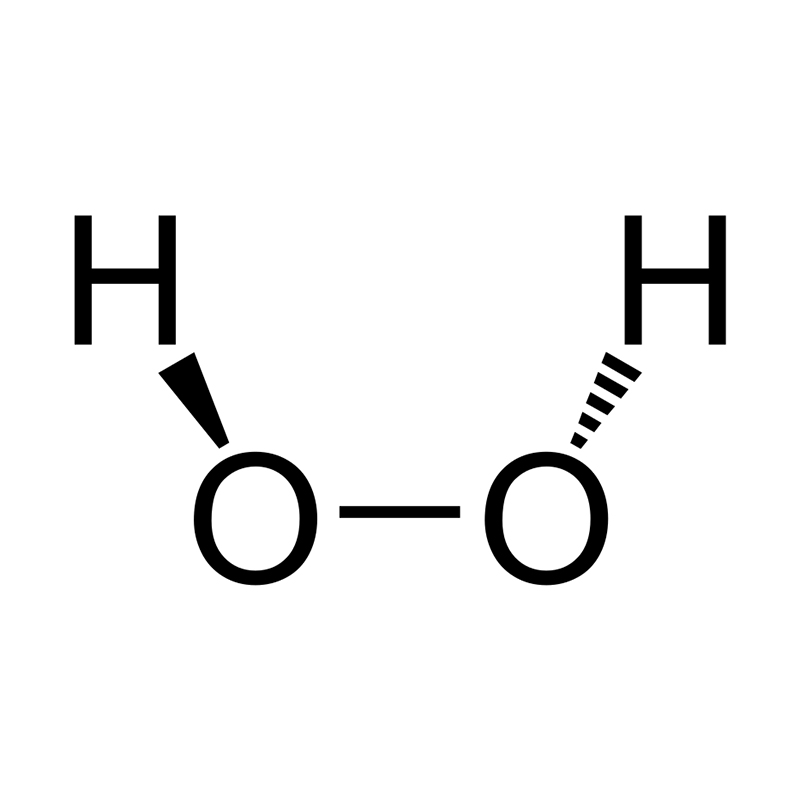
To understand h2o2 in chemistry, we must look beyond typical commercial formulations. Pure, anhydrous hydrogen peroxide is never perfectly clear. It actually presents as a very pale blue liquid. This faint coloration occurs because the molecule absorbs light in the red spectrum. In its undiluted form, it also behaves differently than water. You will notice a slightly more viscous, almost syrupy texture. The extra oxygen atom creates stronger hydrogen bonds between the molecules. These bonds resist flow, altering the fluid dynamics entirely. Most people never encounter this pure state outside of advanced laboratory environments.
Standard medical, food-grade, or industrial solutions appear perfectly clear. They look colorless. Why does this happen? The dilution effect hides the natural blue tint. Manufacturers blend the raw chemical heavily into purified water. The water molecules dilute the color until it becomes invisible to the naked eye. Because the refractive index of the diluted mixture matches water closely, light passes through it without distortion. This optical illusion makes the liquid look entirely benign. You cannot rely on color to judge the presence of the chemical in standard commercial settings.
Density and viscosity change drastically as concentrations rise. High-concentration solutions above 50% behave distinctly. They feel heavier when moved or poured. They possess a higher specific gravity. Liquid dynamics shift noticeably. Facility managers must establish a baseline expectation for handling these fluids. A heavier pour indicates higher density. It signals a stronger, potentially more hazardous product. Operators moving drums will feel the weight difference. Recognizing this physical trait is vital for safety and proper equipment calibration.
Never trust color alone to identify chemical presence.
Always check the specific gravity on the product data sheet.
Train material handlers to recognize the weight differences of high-density drums.
Use dedicated hydrometers to verify liquid density upon receiving shipments.
Buyers must map visual and physical traits to specific business applications. This mapping ensures proper handling and process safety. Different grades serve different operational purposes. They require unique handling protocols.
These low concentrations look visually identical to water. They have a watery viscosity. They flow easily and quickly through standard pumps. Typical applications include surface sanitation, mild bleaching, and cosmetic manufacturing. Safety risks remain relatively low at this tier. You can pour them without specialized heavy-duty equipment. However, they still require standard eye protection to prevent mild irritation.
At 35%, hydrogen peroxide remains a clear liquid. However, it requires specific handling protocols. You will notice a slightly different pour behavior. Increased density alters the fluid dynamics. It coats surfaces slightly differently than plain water. This grade is vital for food processing, aseptic packaging, and agricultural disinfection. It lacks the toxic stabilizers found in standard industrial grades. You must handle it carefully to prevent rapid contamination.
These industrial grades remain clear but feel distinctly heavier than water. You must evaluate these high-concentration grades through controlled, closed-loop systems. Visual inspection requires strict personal protective equipment (PPE). Severe vapor and corrosive risks exist. Never open these containers for a casual visual check. They are used for chemical synthesis, textile bleaching, and aerospace propulsion. Proper training is absolutely mandatory for personnel handling these tiers.
Concentration Grade | Visual Appearance | Viscosity & Density | Primary Applications | Handling Requirements |
|---|---|---|---|---|
3% - 12% | Clear, colorless | Water-like | Surface sanitation, light bleaching | Standard safety glasses and gloves |
35% | Clear, colorless | Slightly heavier pour | Food processing, agriculture | Splash goggles, face shield, chemical gloves |
50% - 90% | Clear, colorless | Distinctly heavy, dense | Industrial synthesis, aerospace | Closed-loop systems, full hazmat PPE |
Quality control teams need operational criteria to evaluate stock. You must spot signs of compromised chemical health early. Degraded solutions reduce process efficiency. They can also cause dangerous pressure buildups in storage areas.
Visible, continuous bubbling in a resting solution is a major warning. It indicates active decomposition. The chemical breaks down into water and oxygen gas. This effervescence signals compromised potency. A healthy solution should remain still. Small bubbles clinging tightly to container walls show early degradation. If you observe a steady stream of bubbles rising to the surface, the product is losing strength rapidly. This reaction is exothermic. It generates heat, which further accelerates the breakdown process.
Off-gassing expands sealed containers. This expansion serves as an immediate visual red flag. It points to degraded stabilizers or heavy organic contamination. Drums or totes may bulge at the sides. The bottom might warp, making the container unstable on warehouse racks. Swollen containers pose severe bursting hazards. You must isolate them immediately. Never attempt to move a severely swollen drum without consulting safety protocols.
High-quality solutions should have zero visible particulates. They must remain crystal clear. Any cloudiness indicates an unwanted chemical reaction. Suspended matter shows the presence of impurities. Dust, metal ions, or organic matter cause rapid decomposition. If you see floating specks or a milky haze, the batch is likely ruined. Reject cloudy shipments upon arrival. Implementing strict visual checks during receiving prevents contaminated stock from entering your facility.
Ignoring minor container bulging during routine inventory checks.
Assuming a clear liquid is potent without verifying the absence of micro-bubbles.
Transferring solutions using dirty pumps, introducing invisible metal catalysts.
Storing drums in direct sunlight, triggering rapid UV degradation.
Evaluation must shift from the liquid itself to the delivery mechanism. Packaging is a key differentiator for trustworthy chemical suppliers. Poor packaging leads to rapid chemical degradation. You must audit vendor packaging rigorously.
Ultraviolet (UV) exposure accelerates chemical decomposition. Sunlight acts as a powerful catalyst. Dark brown, black, or heavily opaque white drums are non-negotiable. They form a vital compliance standard. Totes must block ambient light completely. If a supplier ships bulk liquids in clear plastic, reject the delivery. Translucent containers compromise the chemical stabilizer package. Proper opaque packaging guarantees a longer, safer shelf life.
Specialized venting caps are necessary on bulk containers. These caps prevent catastrophic pressure explosions. Natural decomposition releases oxygen gas slowly over time. Vented caps contain microscopic membranes. They allow this gas to escape safely while keeping airborne contaminants out. Solid, unvented caps will cause the container to swell and potentially rupture. Always inspect the cap design upon receipt. Ensure the venting mechanisms remain unblocked and clean.
Visual compliance markers must be present on all commercial shipments. Globally Harmonized System (GHS) hazard pictograms are legally required. Look for clear corrosion and oxidizer symbols. The label must state the exact concentration and lot number. Missing, peeling, or faded labels indicate poor supplier quality control. Legible safety warnings protect your staff. They ensure rapid identification during emergency spill responses.
Choosing a vendor requires rigorous evaluation. Procurement teams must look beyond simple pricing structures. You need reliable chemical suppliers to maintain facility uptime and safety.
A trustworthy supplier clearly discloses the stabilizers used. These chemical additives maintain visual and chemical integrity. Common stabilizers include tin-based or complex phosphate-based compounds. Different industries require different stabilizer profiles. Food-grade applications have strict regulatory limits on stabilizers. Your vendor must explain their formulation clearly. They should provide documentation detailing the stabilizer lifespan. Transparency here prevents unexpected process failures.
Demand recent Certificates of Analysis (CoAs) from all vendors. These documents prove exact concentration levels. Never rely solely on visual or physical assumptions. A CoA provides laboratory-verified data. It shows trace impurity levels. It confirms the exact chemical makeup. Regular batch testing guarantees consistency. Compare the CoA data against your internal quality specifications. Reject shipments that lack proper batch documentation.
Evaluate the supplier's transport equipment carefully. They must use dedicated, passivated transport fleets. Passivation is a specialized acid treatment for metal tanks. It prevents heavy metal contamination during transit. Shared tankers often introduce trace impurities. These microscopic impurities cause rapid liquid degradation. Reliable infrastructure ensures the product arrives intact. Ask vendors about their tanker cleaning and passivation schedules.
Request comprehensive stabilizer documentation for your specific industry application.
Verify the presence and accuracy of the latest batch CoAs before issuing purchase orders.
Audit the supplier’s transport fleet policies regarding tank passivation.
Inspect sample shipments for opaque packaging and functional vented caps.
Review the supplier’s emergency response support and technical service availability.
While standard hydrogen peroxide usually looks exactly like clear water, its physical behavior is vastly different. Handling higher concentrations requires acknowledging increased density and distinct viscosity changes. Visual degradation markers, such as active bubbling and swollen containers, serve as vital safety warnings. Furthermore, compliant opaque packaging and vented caps are non-negotiable for safe storage. We recommend auditing your current chemical storage visually today. Verify your container integrity and check for micro-bubbling. If you suspect degraded stock or need a higher-grade formulation, request a technical specification sheet from your chemical sales representative.
A: The IUPAC name is hydrogen peroxide. It is also referred to by various industrial trade names depending on its concentration and intended use, such as high-test peroxide (HTP) for aerospace applications. In consumer markets, people simply call it peroxide.
A: It looks like water because standard commercial solutions are heavily diluted with purified water. While the extra oxygen atom drastically changes chemical reactivity, it does not alter light refraction properties at low concentrations. The natural pale blue color of the pure molecule becomes entirely invisible.
A: No. You cannot visually determine the exact concentration. While high-concentration solutions become slightly more viscous, they remain clear. Accurate evaluation requires specific tools like hydrometers, chemical titration kits, or verified Certificates of Analysis (CoAs) from the supplier.


