


The characteristic fizz of this ubiquitous liquid is often associated with wound care or basic surface cleaning. However, for commercial and industrial users, this visible reaction represents a critical chemical transformation. You see it bubble, but what you actually witness is rapid molecular decomposition. The bubbles serve as visual evidence of oxidation. This powerful process dictates both the sanitizing efficacy of the chemical and its strict shelf-life constraints. If you misinterpret this reaction, you risk compromising safety protocols and inventory stability. Understanding how it behaves chemically is essential for evaluating product grades accurately. We will help you assess storage risks properly. You will learn to select the right supplier for high-volume applications without relying on guesswork.
The Mechanism: H2O2 bubbles when it encounters a catalyst (like the enzyme catalase or transition metals), which rapidly breaks it down into water (H2O) and oxygen gas (O2).
Efficacy Indicator: Active bubbling indicates immediate oxidation and sanitizing action, but a lack of bubbling doesn't inherently mean the chemical has expired—it depends on the presence of reactive organic matter.
Storage & Stability: Uncontrolled bubbling (decomposition) in storage leads to pressure buildup, loss of active concentration, and potential safety compliance failures.
Sourcing Criteria: Selecting the right hydrogen peroxide requires matching the concentration grade and stabilizer profile to your specific business use case, balancing immediate reactivity against long-term shelf stability.
Understanding the fundamental behavior of h2o2 in chemistry requires looking at its molecular structure. It consists of two hydrogen atoms and two oxygen atoms. The bond holding the second oxygen atom is inherently unstable. This molecule constantly seeks to shed the extra oxygen to reach a more stable state. When this breakdown occurs, it releases pure oxygen gas. Plain water remains behind. The escaping oxygen gas rises rapidly through the liquid. This rapid gas expansion creates the famous fizzing effect. We refer to this chemical shedding process as decomposition. It is an exothermic reaction, meaning it generates a small amount of heat as it works.
Biological materials dramatically accelerate this decomposition process. The primary trigger in biological settings is an enzyme called catalase. Most living organisms produce catalase to protect themselves from oxidative damage. You will find it abundantly in human blood, plant cells, and many types of common bacteria. When you introduce the chemical solution to organic tissues or bacterial colonies, catalase immediately attacks the unstable oxygen bonds. It acts as a highly efficient catalyst. This interaction forces millions of molecules to decompose simultaneously. The sudden release of oxygen gas produces thick, active foaming. This rapid reaction quickly neutralizes the immediate biological threat.
Biological enzymes are not the only triggers for this reaction. You might have noticed active bubbling when you pour the solution down a dirty drain. Trace metals serve as powerful inorganic catalysts. Iron, copper, manganese, and silver lower the activation energy required for decomposition. Even microscopic particles of rust or metallic dust will initiate the process. Organic sludge and mineral buildup inside plumbing also contribute. They force the exact same chemical breakdown. The liquid aggressively turns into water and oxygen gas. You witness an intense reaction without any living tissue or biological enzymes present.
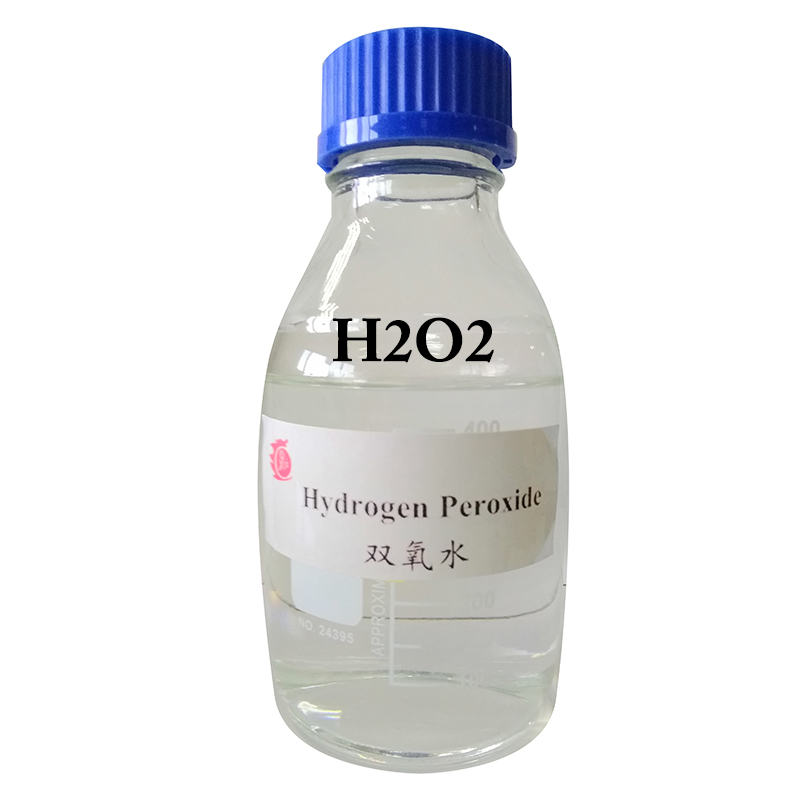
Organizations consume thousands of gallons of this chemical for daily sanitization. Procurement and facility managers face a persistent challenge. You must accurately distinguish between expected application reactions and premature chemical degradation. If the solution bubbles wildly inside a storage tank, you face rapid inventory loss. If it fizzes during a cleaning application, it might be performing perfectly. Misinterpreting these reactions leads to wasted budgets and compromised facility hygiene. You need a clear understanding of what visual cues actually mean.
Active bubbling provides excellent visual proof of oxidation in progress. The foaming action physically lifts dirt and debris away from the targeted surface. Simultaneously, the chemical reaction aggressively destroys bacterial cell walls. It tears apart complex organic compounds by stealing their electrons. This dual-action approach makes it a superior cleaning agent. The mechanical lifting of the oxygen bubbles complements the sheer chemical destruction. When you see strong fizzing on a heavily soiled surface, you know the chemical is actively sanitizing the area.
Many buyers falsely assume a lack of fizz means expired stock. This represents a dangerous operational fallacy. If you pour a highly potent batch onto a perfectly sterile table, nothing happens. It will sit there looking exactly like plain water. There are no biological or inorganic catalysts present to trigger the rapid oxygen release. Consequently, no bubbles form. Buyers must never rely on the "fizz test" as the sole metric for chemical viability. Visual reactions depend entirely on the contamination level of the surface. You must use professional tools to verify potency. Chemical titration kits offer highly accurate readings. Industrial test strips provide reliable concentration checks for daily operational monitoring.
Different industrial applications require completely different formulations. Manufacturers categorize these grades based on concentration and stabilizer content. These variables dictate how aggressively the solution reacts.
Standard/Medical (3-6%): This grade excels at topical, low-risk surface sanitation. Manufacturers highly stabilize these solutions. They offer long shelf lives and predictable behavior.
Food Grade (35%): Commercial food processing relies heavily on this variant. It completely lacks toxic chemical stabilizers. You must handle it under strict environmental controls to prevent spontaneous decomposition. Using pure hydrogen peroxide ensures no harmful residues remain on packaging.
Industrial/Technical (35-90%): Municipal water treatment facilities and paper bleaching plants utilize this grade. It contains heavy stabilizers like colloidal stannate or phosphonates. These additives prevent spontaneous bubbling and dangerous gas expansion during rough transit.
Procurement teams constantly balance the tradeoff between chemical purity and shelf-life predictability. Un-stabilized grades offer pristine purity but degrade rapidly if mishandled. Stabilized grades tolerate wider temperature fluctuations but leave microscopic residues behind. The table below highlights the operational differences across various grades.
Chemical Grade | Concentration Level | Stabilizer Content | Primary Industry Use | Storage & Decomposition Risk |
|---|---|---|---|---|
Standard / Medical | 3% - 6% | High | Healthcare, General Cleaning | Low. Highly stable for extended periods. |
Food Grade | 35% | None | Aseptic Packaging, Food Processing | High. Requires strict temperature control. |
Technical / Industrial | 35% - 50% | Moderate to High | Water Treatment, Textile Bleaching | Moderate. Stabilizers prevent transit gas expansion. |
High-Test (HTP) | 70% - 90% | Variable | Aerospace, Chemical Synthesis | Extreme. Requires specialized facility infrastructure. |
Industrial-scale volumes introduce severe safety and security risks. When you store hundreds of gallons, you must prevent uncontrolled decomposition. If the liquid begins to bubble inside sealed bulk containers, internal pressure spikes rapidly. Oxygen gas expansion exerts massive force against drum walls. A swelling drum is an immediate explosive hazard. This scenario poses severe threats to warehouse personnel. It also triggers intense scrutiny from occupational safety regulators.
Compliance standards dictate strict environmental controls for bulk storage. You cannot treat this chemical like standard cleaning detergents.
Specialized Vented Caps: You must equip all drums and intermediate bulk containers (IBCs) with pressure-relief valves. These vented caps allow escaping oxygen gas to bleed off safely. They prevent catastrophic pressure buildup.
UV-Resistant Containers: Ultraviolet light acts as a powerful catalyst. It accelerates the breakdown of the molecular bonds. You must use opaque, UV-resistant drums to prevent light-catalyzed bubbling.
Temperature-Controlled Environments: Heat aggressively accelerates chemical decomposition. Keeping the storage environment cool is mandatory. Many high-concentration grades require dedicated, climate-controlled chemical bunkers.
Accidental catalysis destroys entire production batches. You must ensure absolute material compatibility across your entire facility. Standard steel valves or copper fittings will instantly trigger a violent reaction. The industry relies heavily on specific, inert materials. High-density polyethylene (HDPE) plastics work exceptionally well for storage tanks. For metal components, you must use passivated stainless steel. Passivation is a chemical treatment process. It removes free iron from the surface of the steel. This ensures the metal piping cannot act as a catalyst when the liquid flows through it.
Choosing the right chemical vendor extends far beyond negotiating the lowest price per gallon. You must evaluate suppliers based on their specific stabilization formulations. Ask them how they maintain lot-to-lot concentration consistency. A reputable supplier tightly controls their manufacturing environment. They prevent microscopic metal contamination during the bottling process. If a vendor struggles with quality control, you will receive batches that degrade prematurely in your warehouse.
Many procurement teams fall into a common pricing trap. Cheaper, lightly stabilized technical grades often look attractive on paper. They seem to save significant upfront costs. However, these budget grades frequently lead to rapid degradation. If your facility does not consume the inventory quickly, the chemical loses its active potency. You end up applying diluted, ineffective solutions. Securing a reliable supply of h2o2 requires looking past the initial invoice price. You must account for chemical yield loss and operational downtime.
Protect your procurement investments by taking concrete verification steps. Always demand a current Certificate of Analysis (COA) for every bulk shipment. Require the vendor to disclose their specific stabilizer profiles. Do not commit to massive, multi-year bulk contracts immediately. Instead, purchase smaller test quantities. Conduct thorough small-batch stability testing within your actual facility environment. Measure how the concentration holds up over a 30-day period. This practical experience validates the supplier's claims before you assume massive inventory risks.
The bubbling action you witness is a simple chemical release of oxygen gas. However, managing that exact reaction forms the true foundation of effective chemical procurement. You must balance the physical mechanics of decomposition against your daily operational needs. Always match the chemical's intended reaction rate with your facility's operational tempo. Ensure your storage capabilities meet strict venting and climate control requirements. By doing so, you guarantee maximum sanitizing efficacy across all departments. You will maintain rigorous safety compliance standards effortlessly. Finally, you eliminate the severe budget waste associated with prematurely degraded stock.
A: Yes. A lack of bubbling usually means there is no catalyst (like blood or drain grime) present to trigger the rapid release of oxygen. If the surface is already clean, a potent solution will simply remain liquid while continuing to sanitize.
A: Sinks contain trace metals and heavy bacterial loads that catalyze the breakdown, whereas clean, intact skin lacks sufficient exposed catalase to trigger a visible reaction.
A: Use commercial peroxide test strips or titration kits rather than relying on the "bubble test," as visual reactions are highly dependent on the surface being cleaned. These tools provide accurate, objective concentration percentages.
A: Slow, continuous decomposition into water and oxygen gas causes swelling. If the storage container lacks proper venting, the escaping oxygen causes dangerous pressurization. You must always use specialized pressure-relief caps to prevent drum ruptures.


