


Transporting and storing industrial-grade chemical oxidizers creates massive logistical headaches. Facility managers face mounting pressure to balance operational efficiency with strict safety demands. Relying entirely on centralized mega-plants exposes operations to severe risks. Chemical degradation, hazardous shipping premiums, and regional shortages routinely disrupt workflows. You need a resilient strategy to secure h2o2 in chemistry applications like bleaching, oxidation, and environmental remediation. This guide evaluates modern supply chain models, comparing traditional sourcing against emerging on-site generation technologies. We will explore high-level production paradigms, safety compliance, and procurement criteria. Read on to determine the safest, most efficient strategy for your facility.
Centralized production (legacy processes) offers economies of scale but carries high hazardous-transport costs.
Emerging "green" and continuous generation technologies are shifting the focus toward decentralized, on-site production.
The decision between procurement and on-site generation hinges on volume requirements, facility safety compliance, and ESG (Environmental, Social, and Governance) targets.
Strict regulatory adherence is non-negotiable regardless of the supply model chosen.
Buying bulk chemicals means accepting natural product degradation. Industrial oxidizers break down into water and oxygen gas over time. Temperature fluctuations during transit accelerate this chemical decomposition. You often pay for a specific chemical concentration. However, delivery delays mean you receive a weaker product. This loss directly impacts your operational efficiency. Facilities must dose higher volumes of degraded chemicals to achieve the same results. You spend more money on reduced chemical efficacy. Storing bulk supplies also imposes strict shelf-life limitations. You race against the clock to consume the inventory before it loses its reactive power.
Shipping high-concentration bulk chemicals requires specialized logistics. You cannot simply put these chemicals on a standard freight truck. Moving hydrogen peroxide demands vented tankers, hazard placards, and certified drivers. These strict Department of Transportation (DOT) requirements drive up shipping costs. Insurance premiums soar for facilities receiving hazardous loads. Logistics providers pass their liability costs directly to you. Every mile the chemical travels adds regulatory overhead and fuel surcharges to your invoice. You effectively pay a massive premium simply to move the product safely from a mega-plant to your loading dock.
Traditional chemical distribution relies on highly complex global networks. These networks expose your operations to severe external risks. Regional disruptions easily sever your supply lines. We see this frequently during extreme weather events or geopolitical conflicts. Raw material shortages at centralized plants ripple down to end-users quickly.
Consider these common supply chain vulnerabilities:
Geopolitical instability: Trade restrictions block raw material imports.
Labor shortages: A lack of certified hazmat drivers delays deliveries.
Weather events: Hurricanes and freezes force centralized plants offline.
Infrastructure failures: Rail or port disruptions halt bulk transit.
When you rely solely on external deliveries, a single point of failure can halt your entire production line. Building a resilient operation requires mitigating these external dependencies.
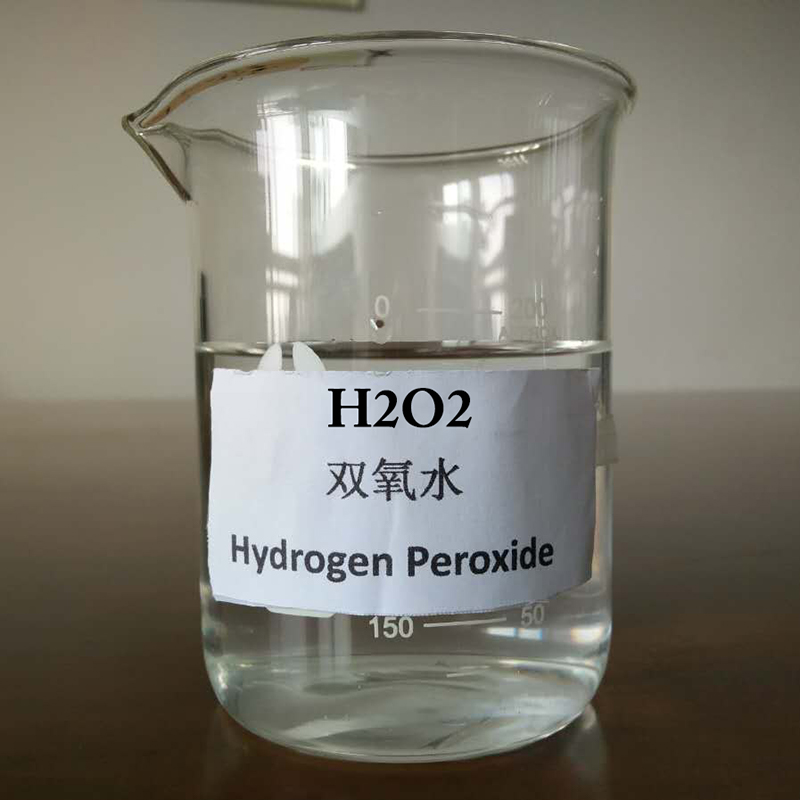
Global supply currently depends on massive, centralized chemical plants. These facilities utilize legacy industrial methods. They rely on the cyclical auto-oxidation of complex organic molecules. This macro-scale approach dominates the market for good reason. It produces staggering volumes of chemical output efficiently. Mega-plants benefit from massive economies of scale. They also maintain established Quality Assurance and Quality Control (QA/QC) protocols. When you buy from a centralized producer, you typically guarantee a highly standardized product. However, this model requires massive infrastructure, extensive fossil fuel usage, and intense energy consumption. It isolates production far away from the point of end-use.
Chemical engineering has recently shifted toward decentralized models. New innovations allow facilities to generate their own supply directly on-site. These micro-scale systems utilize advanced electrochemical synthesis. They pull oxygen from the air and combine it with water and electricity. This continuous process generates the chemical precisely when you need it. You eliminate the need to store massive, dangerous stockpiles. Commercial viability for these systems is growing rapidly. They fit inside shipping containers or standard utility rooms. We see industries adopting them to secure their supply chains. They decouple facility operations from the volatile global chemical market.
Corporate sustainability goals heavily influence chemical procurement today. Emerging on-site methods dramatically improve ESG metrics. Traditional centralized production generates distinct chemical waste streams. Moving bulk liquids requires thousands of heavy-duty diesel truck trips annually. Decentralized generation eliminates these transport emissions completely. You stop shipping water weight across the country. Furthermore, on-site electrochemical processes embrace green chemistry principles. They utilize basic air and water as feedstocks. If you power the generation unit with renewable electricity, the entire process becomes incredibly sustainable. This shift helps companies hit aggressive carbon reduction targets while maintaining production efficiency.
Evaluating your supply strategy requires a deep financial analysis. You must compare upfront capital expenditures against ongoing operational outlays. Buying bulk chemicals is an OPEX-heavy model. You avoid buying expensive manufacturing equipment. Instead, you pay a continuous, fluctuating price for deliveries. On-site generation flips this dynamic. It demands a higher initial CAPEX to purchase and install the commercial generation units. However, it severely reduces your monthly OPEX. You only pay for electricity, water, and basic maintenance. Over time, generating your own supply often insulates your budget from chemical market inflation.
Facility chemical demands rarely remain static. They fluctuate based on production schedules and seasonal shifts. Traditional bulk tank storage handles fluctuation poorly. Tanks either sit empty, risking stock-outs, or sit full, risking chemical degradation. On-site continuous production systems adapt much better to dynamic environments. Modern generation units feature modular designs. You dial production up or down based on real-time needs. They automatically match your facility's consumption rates. This scalability prevents wasteful overproduction. It guarantees you always have fresh, active chemistry ready for immediate application.
You must match the technology's capabilities to your specific end-use requirements. Centralized plants easily supply extremely high concentrations. Certain specialized industrial applications strictly require these potent mixtures. However, most facilities actually dilute the bulk chemical before using it. Many commercial on-site systems produce lower-concentration h2o2 directly. This lower concentration is inherently safer to handle. You must audit your application thresholds carefully. If your processes successfully run on lower concentrations, decentralized generation becomes a perfect fit. It eliminates the dangerous step of manual dilution.
Chart: Supply Model Evaluation Summary | ||
Evaluation Dimension | Centralized Procurement | On-Site Generation |
|---|---|---|
Capital Outlay | Low initial investment | High initial equipment cost |
Operating Expenses | High (transport, premiums, product) | Low (electricity, water, maintenance) |
Concentration | High (up to 70%) | Low to Moderate (typically <15%) |
Footprint | Requires massive bulk storage tanks | Requires dedicated generator space |
Storing massive quantities of bulk oxidizers introduces severe facility risks. These chemicals react violently with organic materials and specific metals. You must build robust safety infrastructure to mitigate these hazards. Best practices dictate strict separation of incompatible materials. You cannot store oxidizers near flammables or combustible dusts.
Required safety infrastructure generally includes:
Secondary containment basins: To capture catastrophic tank ruptures safely.
Specialized pressure venting: To release oxygen gas during natural decomposition.
Passivated piping networks: To prevent reactive metals from triggering rapid breakdown.
Emergency deluge showers: To protect personnel during accidental exposures.
A common mistake is neglecting regular inspection of venting systems. Blocked vents cause dangerous pressure build-ups inside bulk tanks.
Handling hazardous materials demands strict regulatory adherence. Local and federal occupational safety authorities monitor chemical storage closely. The Occupational Safety and Health Administration (OSHA) enforces stringent Process Safety Management (PSM) standards. If your bulk storage exceeds specific thresholds, compliance becomes highly complex. The Environmental Protection Agency (EPA) also requires detailed Risk Management Plans (RMP). You must document emergency response protocols and conduct regular audits. These compliance frameworks are entirely non-negotiable. Violations result in severe fines and forced facility shutdowns. Choosing a supply model directly impacts your regulatory burden.
On-site generation fundamentally alters a facility's safety profile. Decentralized tech proponents highlight significant safety advantages. Producing chemical precisely at the point of use eliminates bulk storage entirely. You never harbor thousands of gallons of dangerous oxidizers. Furthermore, most on-site systems produce a low-concentration chemical. This weaker solution presents drastically lower explosive and fire risks. It rarely triggers stringent OSHA PSM or EPA RMP thresholds. If a spill occurs, managing low-concentration fluids is significantly easier and safer for personnel. It effectively removes the threat of catastrophic, facility-level chemical disasters.
Deciding when to transition supply models requires looking closely at your consumption volumes. A small facility using a few drums a month rarely justifies an on-site generator. They should optimize their drum or tote delivery schedules instead. However, as consumption grows, the calculus changes.
Use this basic heuristic to guide your transition strategy:
Low Volume (Drums/Totes): Best for intermittent usage. Focus on safe handling and strict inventory rotation.
Medium Volume (Bulk Tanks): Justified when tote deliveries become a daily logistical disruption. Requires high CAPEX for containment.
High Volume / Continuous (On-Site Generation): Ideal when constant supply is critical. Eliminates massive transport costs and mitigates extreme bulk storage risks.
Before purchasing decentralized generation technology, you must audit your facility. Not every site can support continuous chemical production. You must evaluate your utility infrastructure thoroughly. Electrochemical generators require a highly reliable power supply. Voltage drops or power outages halt your chemical production immediately. You also need access to high-quality water. Municipal water often requires reverse osmosis filtration before entering the generator. Impurities foul the electrochemical cells quickly. Finally, assess your maintenance personnel. They need proper training to service these specialized units safely. Without site readiness, generation tech fails.
Transitioning away from traditional bulk sourcing is a major operational shift. We do not recommend making this decision in isolation. Your best next step is engaging specialized chemical engineering consultants. They can perform comprehensive, site-specific feasibility studies. Invite technology vendors to evaluate your exact purity and volume requirements. Ask them to model the long-term utility consumption of their units. Compare these projections against your historical bulk purchasing invoices. By taking a data-driven approach, you ensure your new supply strategy improves both safety and operational resilience.
The strategic question of how to source industrial oxidizers has evolved dramatically. It is no longer just a chemical manufacturer's concern. It represents a vital supply chain decision for modern end-users. Evaluating traditional procurement against on-site generation requires balancing upfront investments, logistical vulnerabilities, and purity requirements. To move forward, audit your current volume thresholds carefully. Assess your facility's utility readiness and compliance burdens. Finally, prioritize safety and ESG targets alongside basic chemical costs. Taking these actionable steps will secure a resilient, efficient operation for years to come.
A: The most common industrial method is the anthraquinone process. This legacy macro-scale approach relies on the cyclical auto-oxidation of complex organic molecules. It dominates global supply because it efficiently produces massive volumes at high concentrations.
A: It depends on your facility's specific application. Current commercial decentralized technologies successfully replace bulk deliveries for many uses. However, they have limitations regarding maximum concentration output. Applications requiring ultra-high purity or maximum concentrations may still rely on traditional deliveries.
A: The primary risks stem from its nature as a strong oxidizer. It can trigger intense fires if mixed with combustible materials. Furthermore, it undergoes natural decomposition, releasing oxygen gas. If tanks lack proper venting, this rapid decomposition causes dangerous pressure buildup and potential explosions.


