
Views: 0 Author: Site Editor Publish Time: 2026-06-15 Origin: Site


Effective disinfection protocols demand a precise balance. You must destroy harmful microbes while protecting sensitive tissues and materials. The familiar brown bottle remains a household staple. However, modern medical science tells a different story. Relying on outdated practices can delay wound healing. It can also result in incomplete surface sanitization. Facility managers and individuals face strict compliance standards today. Choosing the right germicide for specific applications is absolutely essential. In this guide, you will discover exactly how these solutions eliminate pathogens. We explore the latest medical consensus on wound care. You will learn to evaluate surface versus biological applications. Finally, we provide a clear framework for safe, compliant deployment across various environments.
Efficacy: Hydrogen peroxide is a broad-spectrum germicide that destroys essential cellular components of bacteria, viruses, and fungi via oxidation.
The Wound Care Pivot: Medical authorities advise against using H2O2 on open wounds due to healthy cell destruction (fibroblasts), recommending it primarily for inanimate surface disinfection.
Formulation Matters: Standard 3% household solutions differ vastly in stability, compliance, and application from industrial or accelerated commercial grades.
Operational Risk: Misapplication—such as mixing with other chemicals or ignoring required contact times—creates severe safety hazards and compliance failures.
How does this chemical actually work? It relies on a powerful scientific process called oxidation. Hydrogen peroxide produces highly destructive hydroxyl radicals. These unstable molecules aggressively steal electrons from nearby cellular structures. Pathogens simply cannot survive this chemical assault.
Let us break down the exact cellular destruction process:
Lipid Membrane Attack: The radicals first target the outer cell wall. They weaken and dissolve the protective lipid bilayer of the organism.
Protein Denaturation: Essential cellular enzymes begin to misfold. The pathogen quickly loses its ability to function or metabolize nutrients.
DNA Disruption: Radicals penetrate the nucleus. They shatter the genetic code entirely. This prevents the pathogen from repairing itself or reproducing.
This aggressive mechanism provides a broad spectrum of efficacy. It effectively neutralizes vegetative bacteria, fungi, and certain stubborn viruses. The Centers for Disease Control and Prevention (CDC) recognizes its utility. They establish specific baselines for its efficacy against common facility pathogens. When deployed at the correct concentration, it serves as a formidable infection control tool.
You often see a visible fizzing reaction upon application. People naturally assume this bubbling means germs are dying. This is partially a myth. The bubbling happens because of a specific enzyme called catalase. Blood and many natural biological materials contain high levels of catalase. This enzyme rapidly breaks down the chemical into plain water and oxygen gas. The resulting foam indicates a reaction with biological matter. It is not the sole indicator of germ-killing efficacy. You must still adhere to proper dwell times to ensure microscopic pathogens actually die.
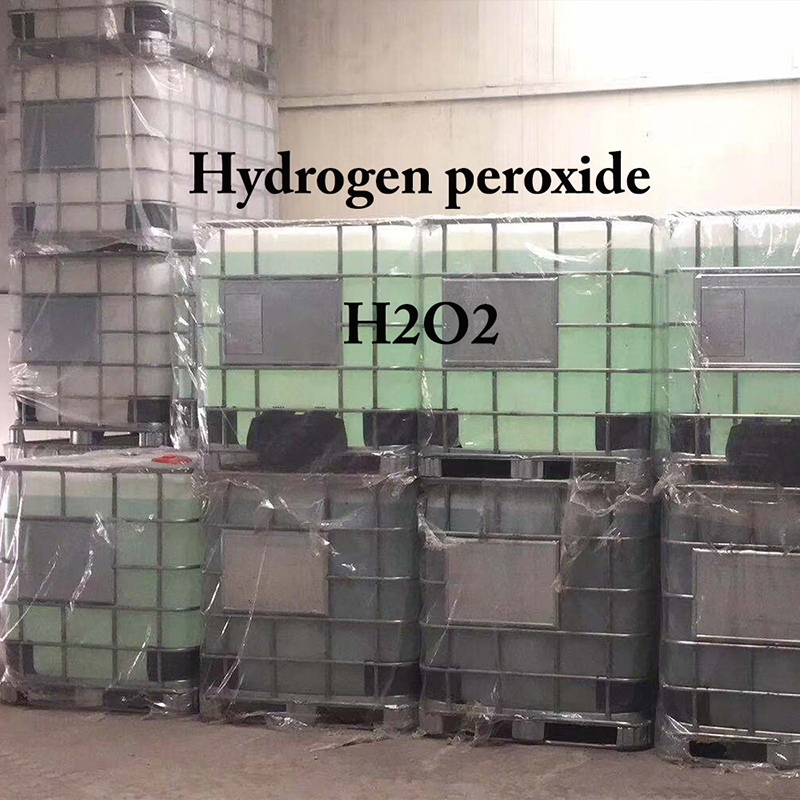
Facility managers frequently deploy H2O2 across various environments. It acts as a highly effective, low-residue surface cleaner. Once it completes the oxidation process, it evaporates. It leaves behind only water and oxygen. This chemical trait makes it ideal for environmental use where toxic residues pose a risk.
Appropriate environmental targets for disinfection include:
Non-porous stainless steel laboratory counters.
Hard plastic medical equipment casings.
Glass surfaces in sterile preparation environments.
Ceramic tiles in clinical or public restrooms.
For decades, parents poured this bubbling liquid over scraped knees. We call this the "medicine cabinet" myth. Medical authorities now strictly advise against this practice. The oxidation process we detailed earlier is entirely indiscriminate. It easily destroys invasive bacteria. Unfortunately, it also destroys your healthy human cells. We refer to this collateral damage as cytotoxicity.
The liquid heavily damages fibroblasts. These are the specialized cells your body needs to rebuild skin tissue and close wounds. Using it on an open wound actually delays the healing process. It can even increase long-term scarring. Medical consensus now recommends mild soap and warm water for basic wound irrigation.
There are still highly targeted biological uses available today. Dentists sometimes prescribe specific, diluted oral rinses. These temporary treatments help manage minor gum inflammation or oral sores. However, you must perform these treatments under strict medical supervision. Broad microbiome disruption is a serious biological risk. You do not want to eradicate beneficial oral bacteria permanently while chasing minor infections.
People often debate between alcohol and peroxide for general sanitization. You need specific evaluation criteria to choose correctly. Action speed and contact time differ wildly between the two. Isopropyl alcohol evaporates very rapidly. It generally achieves disinfection in mere seconds. Conversely, peroxide requires a much longer dwell time. It must remain visibly wet on the surface for several minutes to achieve maximum efficacy.
Material compatibility also heavily drives this operational decision. Alcohol easily degrades certain clear plastics and rubber seals. Over time, these materials turn brittle and fail. Peroxide acts as a mild bleaching agent. It can permanently discolor sensitive fabrics, carpets, or dark finishes.
Pain and tissue response vary significantly as well. Alcohol creates an intense stinging sensation upon contact. It severely dries out the skin by stripping natural oils. Peroxide causes mild stinging and visible tissue oxidation. As established, neither chemical belongs on deep, open wounds.
Decision-makers need simple shortlisting logic. The matrix below clarifies when to deploy each specific solution.
Evaluation Factor | Isopropyl Alcohol (70%) | Hydrogen Peroxide (3%) |
|---|---|---|
Action Speed | Rapid evaporation (10-30 seconds) | Slow action (1-5 minutes wet dwell time) |
Material Risk | Degrades rubber and certain plastics | Bleaches fabrics; safe on most hard plastics |
Residue Left | None | Water and oxygen |
Best Use Case | Small tool prep, rapid surface wiping | Large surface area disinfection, stain removal |
Formulation matters immensely in professional and clinical settings. You must understand the various chemical grades available on the market. The standard over-the-counter (OTC) brown bottle contains a simple 3% solution. Beauty supply stores sell 6-12% formulations designed for hair bleaching. Industrial settings require 30% or higher commercial concentrations for heavy-duty sanitation.
Facility disinfection protocols demand strict operational compliance. You cannot simply buy generic household bottles in bulk for a hospital or school. Commercial spaces require Environmental Protection Agency (EPA) registered formulations. These specialized products contain proprietary stabilizing agents. They guarantee a specific, tested kill-claim against listed pathogens.
The chart below outlines common grades and their compliant applications:
Grade Concentration | Primary Application | Compliance Level |
|---|---|---|
3% (Standard OTC) | Household surface cleaning, minor stain removal | Consumer grade, non-registered |
6% - 12% (Beauty Grade) | Cosmetic bleaching, hair lightening | Cosmetic regulations apply |
20%+ (Accelerated/Commercial) | Facility disinfection, agricultural sanitation | Strict EPA registration required |
30%+ (Industrial Grade) | Wastewater treatment, heavy manufacturing | OSHA/Hazmat handling protocols |
Storage realities dictate long-term operational success. The chemical is inherently unstable by nature. Exposure to heat and ultraviolet light rapidly accelerates its degradation. This is precisely why manufacturers use distinctive opaque packaging. Improperly stored solutions quickly break down into plain water and oxygen. If you use an expired or degraded product, you compromise your entire disinfection protocol. You end up wiping surfaces with inert water.
Misapplication creates severe safety hazards in both homes and facilities. Chemical mixing remains a primary operational concern. You must never mix this chemical with household vinegar. This specific combination creates toxic peracetic acid in the container. Peracetic acid is highly corrosive. It will severely irritate your respiratory system and burn your skin. You must also never mix it with chlorine bleach. This error creates a violent exothermic reaction and releases dangerous, suffocating gases.
Microbiome disruption remains a subtle but serious long-term risk. People often overuse personal care formulations. Daily peroxide mouthwashes can completely eradicate beneficial oral bacteria. Harmful pathogens like yeast then overgrow rapidly in the absence of good bacteria. You should limit personal biological use to targeted, short-term applications.
Higher concentrations demand strict personal protective equipment (PPE). You must protect your staff from accidental exposure.
Always wear durable nitrile gloves when handling concentrations above 3%.
Use appropriate splash goggles to prevent permanent eye damage.
Ensure adequate room ventilation before beginning large-scale surface sanitation.
Store all containers in cool, dark environments away from direct sunlight.
Transferring the liquid to a clear plastic spray bottle. This ruins the chemical stability.
Ignoring the manufacturer's required wet contact time. Wiping too early leaves live pathogens.
Assuming no strong chemical smell means there is no handling danger.
Using expired inventory that has already broken down into water.
You can deploy this chemical safely and effectively. It remains a highly capable germ-killer for environmental disinfection. When used on non-porous surfaces with adequate dwell time, it eliminates complex pathogens without leaving toxic residues. However, you must respect its biological limitations. Phase it out of standard first-aid wound care immediately. Protect your healthy cellular tissue instead. We recommend auditing your current disinfection protocols today. Check the expiration dates on your existing chemical inventory. Always align your sanitation choices with current EPA and CDC guidelines to ensure maximum safety.
A: The necessary wet contact time typically ranges from 1 to 5 minutes. This depends heavily on the specific pathogen and the chemical concentration. You must allow the surface to remain visibly wet for the entire duration to ensure complete cellular oxidation.
A: Medical consensus strongly advises against this. The chemical destroys healthy fibroblasts necessary for tissue repair. This cytotoxicity delays healing and increases scarring. You should use mild soap and warm water to clean open cuts instead.
A: Yes. An unopened bottle generally lasts up to three years. Once opened, it loses its efficacy after approximately 6 months. Exposure to light and air causes it to break down rapidly into plain water and oxygen.
A: Yes. It effectively kills mold on non-porous surfaces. The oxidation process breaks down the mold's cellular structure. However, it is less effective on highly porous materials like drywall, where mold roots penetrate deeply beneath the surface.


