
Views: 0 Author: Site Editor Publish Time: 2026-04-06 Origin: Site


Nitric acid is a highly corrosive industrial chemical with the formula HNO₃. It is widely used in fertilizers, explosives, dyes, metal treatment, and chemical manufacturing, but it must always be handled with extreme care because it is both a strong acid and a strong oxidizer.
When people search for how to neutralize nitric acid, they are usually trying to understand how this chemical should be managed safely after a spill, residue issue, or controlled process event. In real industrial settings, nitric acid neutralization is not treated as a simple routine task. It requires proper hazard assessment, suitable materials, trained personnel, ventilation, and strict compliance with site procedures.
This is especially important because nitric acid does not behave like an ordinary household acid. It can release heat during reaction, generate dangerous fumes, and react aggressively with incompatible materials. For that reason, the safest approach is always a controlled, professional, and site-approved response, rather than an improvised one.
Nitric acid is an important industrial raw material used in the production of fertilizers, explosives, dyes, drugs, and other chemical products. It is also used in metal oxidation and surface treatment. Because of these broad applications, nitric acid is a common product in manufacturing, warehousing, laboratories, and export logistics.
What makes nitric acid especially hazardous is its chemical character. It is highly corrosive to skin, eyes, metals, and many surfaces. It can also release irritating or toxic fumes, especially under concentrated or heated conditions. In addition, as a strong oxidizer, nitric acid may increase the severity of fire risk when it contacts combustible or incompatible materials.
That is why neutralization should never be separated from the broader issue of acid safety management. The real goal is not just to make the acid less reactive. The goal is to reduce risk to people, equipment, products, and the environment.
In general terms, neutralization means reacting an acid with a suitable alkaline material so that acidity is reduced. With nitric acid, however, the key issue is not the chemical definition alone. The key issue is control.
A proper nitric acid neutralization approach must account for:
The strength of the nitric acid matters. More concentrated nitric acid usually presents greater corrosion, fume, and reaction hazards.
A small, contained residue is very different from a leaking drum, a damaged IBC, or a large floor spill.
Poor air movement can increase the danger from acid vapors and reaction fumes.
Organic matter, metals, combustibles, and mixed chemical residues can all change the hazard level.
Because of these factors, nitric acid neutralization should always be managed according to site safety procedures, SDS guidance, and trained response practice.
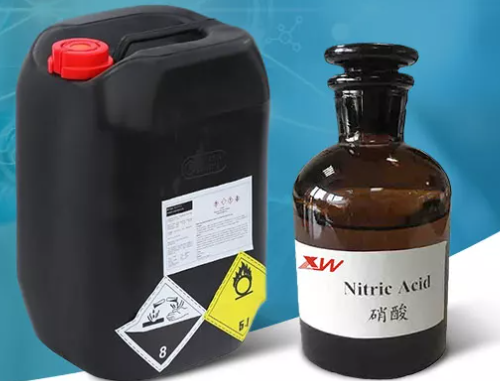
Many industrial chemicals need careful handling, but nitric acid deserves special attention for several reasons.
Nitric acid can damage skin, eyes, respiratory tissues, equipment, floors, and containers if the wrong materials are used.
Nitric acid is not just acidic. It is also oxidizing, which means it can react more aggressively than many other acids and worsen incidents involving incompatible substances.
Acid neutralization reactions can release heat. If response actions are rushed or poorly controlled, splashing and vapor release may become more serious.
Nitric acid vapors can be hazardous, particularly in enclosed or poorly ventilated spaces.
For industrial users, these points lead to one practical conclusion: nitric acid must be managed through preparation, not improvisation.
Before any neutralization decision is made, the area should be assessed properly.
Confirm that the material involved is nitric acid and verify the concentration if possible.
A minor residue problem may be handled under internal procedures, but larger releases may require emergency response support.
Look for incompatible chemicals, reactive surfaces, combustible materials, and ignition-related risks.
Only trained personnel with the correct protective equipment should be allowed into the affected area.
Eye wash facilities, water access for decontamination, spill containment materials, and response equipment should already be available where nitric acid is stored or handled.
These steps are often more important than the neutralization stage itself. A well-controlled scene prevents a manageable issue from turning into a larger emergency.
In a normal industrial or laboratory environment, nitric acid is typically managed under written procedures that specify approved neutralizing materials, handling limits, PPE requirements, and waste disposal rules. The important point for a website article is not to present neutralization as a casual action, but to explain that it should be slow, compatible, monitored, and controlled.
In practice, companies usually focus on the following principles:
Nitric acid should never be treated with random absorbents, tools, or cleanup materials. Compatibility matters.
Fast mixing, poor containment, or careless reaction control can increase heat, fumes, and splash hazards.
Reaction control, exposure control, and waste control are all part of responsible neutralization.
Waste handling after neutralization is still regulated in many settings, especially when the material is contaminated or generated from a spill response.
This is why many businesses build nitric acid management into their broader EHS system rather than treating it as a one-time cleanup issue.
One of the most common mistakes in chemical safety content is treating every spill as though the same response applies.
Minor residues or very limited spills inside a properly equipped facility may be managed by trained staff under approved procedures.
When the release is significant, spreading, highly concentrated, or producing strong vapor, evacuation and professional emergency response are often more appropriate than on-site neutralization attempts.
If nitric acid has contacted other chemicals, packaging residues, metal surfaces, or combustible matter, the situation becomes more complex and should be treated with added caution.
This distinction is important for customers and buyers because it shows professional understanding. Nitric acid safety is not only about chemistry. It is about judgment, planning, and response level.
Businesses that store or use nitric acid should avoid several common errors.
Nitric acid has oxidizing behavior in addition to corrosive behavior, which changes the hazard profile.
Improper cleanup materials can create additional reaction or fire hazards.
Fumes are a serious part of nitric acid risk, especially in enclosed spaces.
The safest nitric acid response is usually controlled and methodical, not fast and improvised.
Neutralized or contaminated residue still needs proper collection, labeling, storage, and disposal review.
Avoiding these mistakes helps reduce both safety incidents and downstream compliance problems.
The best way to deal with nitric acid neutralization is to reduce the chance of needing it in the first place.
Containers and transfer systems must be compatible with nitric acid.
Nitric acid should not be stored near combustibles, organics, unsuitable metals, or incompatible chemicals.
Employees should understand nitric acid hazards, PPE expectations, spill response boundaries, and escalation procedures.
Labels, SDS documents, operating procedures, and emergency contacts should always be available.
Leaks, corrosion, damaged packaging, and residue buildup should be identified early.
These preventive steps are especially important for suppliers, warehouses, distributors, and industrial users handling nitric acid HNO₃ as part of daily operations.
At Shijiazhuang Xinlongwei Chemical Co., Ltd., we understand that nitric acid is not only an important industrial chemical, but also a product that requires responsible storage, handling, and transport. By providing reliable packaging, professional service, and supporting documentation for nitric acid HNO₃, we help customers manage industrial chemical use more safely and efficiently.
Neutralizing nitric acid is not a casual cleanup task. It is a controlled safety process that depends on concentration, quantity, ventilation, compatibility, trained personnel, and proper waste handling.
For industrial users, the most important takeaway is simple: nitric acid should always be managed as a highly corrosive and strongly oxidizing chemical. Safe neutralization depends on preparation, correct materials, professional procedures, and disciplined response. With the right storage, packaging, and handling system in place, companies can use nitric acid HNO₃ more safely and more confidently in everyday operations.
What is the safest way to neutralize nitric acid?
The safest way to neutralize nitric acid is to follow approved site procedures, use suitable protective equipment, ensure good ventilation, and handle the process in a slow and controlled manner with compatible response materials.
Why does nitric acid require special care during neutralization?
Nitric acid requires special care because it is both highly corrosive and strongly oxidizing. It can generate heat, fumes, and dangerous reactions if handled improperly.
Can nitric acid be neutralized in the workplace?
Small, controlled incidents may be managed in properly equipped workplaces by trained personnel. Larger spills or highly concentrated releases should be handled according to emergency response procedures.
What should be checked before neutralizing nitric acid?
Before neutralizing nitric acid, it is important to confirm the concentration, evaluate the spill size, check ventilation, identify nearby incompatible materials, and restrict access to trained personnel only.
Why is ventilation important when handling nitric acid HNO₃?
Ventilation is important because nitric acid HNO₃ can release hazardous fumes, especially during reaction, transfer, or spill response. Good airflow helps reduce exposure risks.
How can companies reduce the risk of nitric acid spills?
Companies can reduce the risk by using suitable packaging, separating incompatible materials, training employees, maintaining clear safety documentation, and regularly inspecting storage and handling areas.


