
Views: 0 Author: Site Editor Publish Time: 2026-05-08 Origin: Site


Stepping into a newly renovated room or unwrapping fresh furniture often brings a sharp, unidentifiable chemical odor. You might notice your eyes watering or a sudden tickle in your throat. This distinct formaldehyde smell serves as an initial warning sign. However, relying solely on your nose to assess indoor air quality carries serious health risks. Our olfactory system adapts quickly to continuous odors. This numbing effect often masks dangerously high chemical concentrations in your living spaces.
You cannot depend on sensory detection alone to keep your environment safe. We must move beyond a simple sniff test. In this guide, you will learn how to properly identify this invisible threat and understand why your nose often deceives you. We will explore how to accurately measure volatile organic compounds (VOCs). Finally, we will guide you through evidence-based mitigation strategies, moving from source control to advanced purification.
The formaldehyde smell is typically described as sharp, pungent, and similar to a mix of pickles, burnt matches, or medical disinfectants.
The Danger of the Sniff Test: Eye and throat irritation can begin at 0.01 ppm—long before the average human nose can detect the scent (0.05 to 0.125 ppm).
Continuous exposure causes "olfactory fatigue," meaning you stop smelling the chemical even as concentration levels remain hazardous.
Effective elimination requires a multi-tiered approach: source removal, physical barriers (sealants), and specialized VOC air purification (standard HEPA filters do not capture formaldehyde).
Identifying airborne chemicals by scent is notoriously subjective. Different concentrations and environmental mixtures create vastly different sensory experiences. You must distinguish between the raw chemical gas and the complex mixtures commonly found in homes. This distinction helps clarify why you might not recognize the danger immediately.
The odor changes significantly depending on its source and purity. Consider the following common scent profiles:
Pure Formaldehyde Gas: In its unmixed state, the gas is highly irritating. People often describe a sudden burning sensation deep in the sinuses. You might experience a sharp, astringent sting resembling strong ammonia. It feels less like a scent and more like a physical assault on your nasal passages.
Household Off-Gassing (Mixed VOCs): Furniture and flooring rarely emit pure gas in isolation. They release a cocktail of volatile organic compounds. This mixture often mimics a sharp "vinegar and burnt matches" odor. Others compare it to harsh chemical cleaning supplies or the damp, musty smell of an unventilated basement.
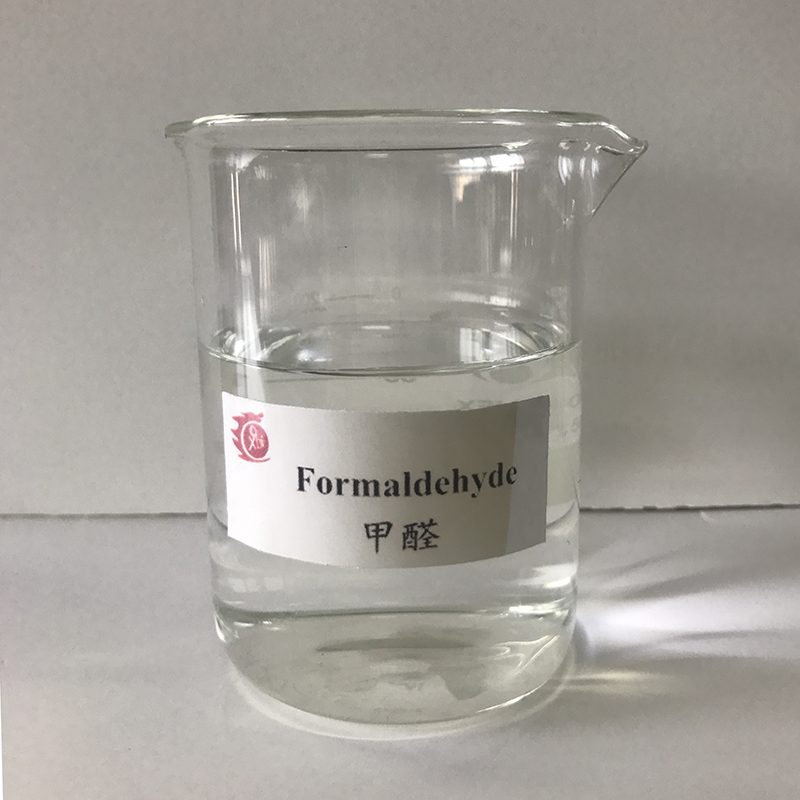
The "Formalin" Misconception: Many people confuse the gas emitted by building materials with formalin. Formalin is the liquid preservative used in biology labs and medical facilities. It carries a sweeter, more sickly hospital or morgue scent. If your new cabinets smell off, they will not smell like a biology classroom. The pure gas acts differently than the liquid solution.
Sensory detection remains an unreliable safety metric. Human genetics and past exposures alter how we perceive odors. Some individuals misidentify the sharp chemical off-gassing as a faint, sweet "green apple" scent. This misidentification creates a false sense of security. You might assume a pleasant or mild smell indicates a safe environment. Relying on subjective sensory experiences leaves you vulnerable to prolonged, unhealthy exposures.
Your respiratory system reacts to hazardous chemicals long before your brain registers an odor. This biological reality makes the "sniff test" incredibly dangerous. We must look at how human perception contrasts against actual regulatory thresholds.
The timing of physical symptoms often precedes odor detection. At a concentration of just 0.01 parts per million (ppm), formaldehyde begins triggering physical reactions. You might experience unexplained eye irritation, a dry cough, and mild nausea. At this stage, the air usually smells completely normal.
The average human cannot detect the distinct chemical scent until concentrations reach between 0.05 and 0.125 ppm. This means your eyes and throat sustain damage before your nose warns you of the danger. By the time you notice a sharp, pickle-like odor, the concentration has already surpassed safe baseline levels.
Your nose is designed to detect changes in your environment, not constant states. Continuous exposure quickly numbs your olfactory receptors. This biological process is called olfactory fatigue or sensory adaptation. If you sit in a newly furnished room for an hour, the harsh chemical smell will seem to fade away. This fading smell often means your nose has adapted. It rarely means the off-gassing has stopped. The invisible gas continues to accumulate, but your internal alarm system has effectively switched off.
To understand safe environments, we must look at objective data rather than subjective smells. The World Health Organization (WHO) provides clear non-occupational guidelines. They recommend a strict limit of 0.1 mg/m³ (approximately 100 parts per billion, or ppb) over a 30-minute period.
Standard home levels typically hover around an average of 20 ppb. However, manufactured and pre-fab homes often display much higher concentrations. These structures rely heavily on dense, pressed wood materials. Understanding these baselines helps you evaluate your actual risk.
Concentration Level | Human Response & Symptoms | Regulatory Context |
|---|---|---|
0.01 ppm | Eye irritation, coughing, throat tickle begins. No detectable odor. | Below most action levels, but triggers sensitive individuals. |
0.02 ppm (20 ppb) | Generally asymptomatic for most people. | Standard baseline average for typical older residential homes. |
0.05 - 0.125 ppm | Distinct odor becomes noticeable to the average human nose. | Approaching or exceeding WHO 30-minute safety limits (100 ppb). |
0.5 ppm | Severe mucosal irritation, watering eyes, potential nausea. | Often triggers immediate industrial safety interventions. |
Identifying the exact source of an indoor air quality issue requires a systematic approach. The gas does not appear out of nowhere. It emanates from very specific manufacturing processes and consumer habits. Let us break down the most frequent offenders found in modern spaces.
The construction and furniture industries rely heavily on pressed wood products. These are the primary sources of indoor off-gassing. Medium-density fiberboard (MDF), particleboard, and interior-grade plywood utilize urea-formaldehyde resins as a binding agent. These glues are cheap, strong, and highly volatile. When you bring a new flat-pack bookshelf into your home, you introduce a large surface area of off-gassing resin into a closed environment.
Certain settings compound the risks due to poor ventilation and high material density. You must exercise extra caution in these locations:
Manufactured Homes and Trailers: These structures use extensive pressed wood paneling and cheap composite flooring. Their tighter structural envelopes trap gases indoors.
Newly Renovated Spaces: Fresh paint, new carpets, and recently installed cabinets release a massive surge of VOCs during the first few months.
Child Care Centers: These facilities often combine newly purchased plastic toys, pressed-wood cubbies, and heavy chemical cleaning supplies. The interaction of these items, paired with poor ventilation, creates a uniquely hazardous environment for developing lungs.
You might inadvertently carry the chemical into your home through everyday purchases. Permanent-press textiles are a major culprit. Wrinkle-free clothing, new draperies, and synthetic carpets often undergo chemical treatments to maintain their shape. Cosmetics, particularly nail polish and eyelash glue, emit short but intense bursts of the gas. Furthermore, everyday combustion byproducts contribute significantly. Using an unvented gas stove or smoking cigarettes indoors spikes VOC levels rapidly. Smoking just three cigarettes in an unventilated room can generate concentrations up to 0.5 ppm.
It is important to separate modern risks from historical fears. During the 1970s and 1980s, urea-formaldehyde foam insulation (UFFI) caused massive health scares in residential homes. However, building codes changed decades ago. Gases from older homes containing UFFI have long since dissipated. If your older home suddenly smells sharp and chemical, the insulation is not to blame. The culprit is likely a newly introduced product, fresh paint, or an entirely different moisture issue.
Because you cannot trust your nose, you must decide how to accurately measure invisible VOCs. Guessing based on symptoms leads to delayed reactions and prolonged exposure. However, navigating the consumer market for air quality testing can be confusing. You need accurate data without wasting money on misleading or ineffective tests.
Different situations require different testing methodologies. Here is how you should evaluate the available options:
One-Off DIY Test Kits (Colorimetric Badges)
These badges offer a low-cost entry point for concerned homeowners. You place the badge in a room, leave it for a specified time, and mail it to a lab or read a color-changing chart. They provide a quick snapshot in time. However, their accuracy is highly influenced by temperature and humidity on the day of testing. They cannot warn you if levels spike the following week when you turn on your heating system.
Continuous IAQ Monitors (Electronic)
Electronic Indoor Air Quality (IAQ) monitors provide real-time data and historical tracking. They sit on your desk or wall and continuously sample the air. This constant feedback loop is ideal for verifying if your ventilation routines or air purifier investments actually work. When purchasing, you must read the technical specifications carefully. Look for monitors specifically calibrated for HCHO (the chemical formula for formaldehyde) or total VOCs. Do not buy a monitor that only measures particulate matter (PM2.5), as it will completely ignore chemical gases.
Professional Indoor Air Quality Audits
Sometimes consumer-grade equipment falls short. Professional air quality audits deliver high accuracy through laboratory-grade calibration. These services typically cost $400 or more. Professionals use active sampling pumps and advanced spectrometry. We recommend this route for severe symptom cases, legal disputes over rental conditions, or post-construction clearance before moving an infant into a new nursery.
Identifying the problem is only the first step. You must now take action. Off-gassing is an ongoing physical process. Heat and humidity actively accelerate the release of trapped chemicals from resins and glues. A single afternoon of "airing out" a room is rarely sufficient. You need a sustained, multi-tiered approach.
The most effective interventions target the source directly, followed by physical containment and active destruction of the airborne molecules. We have organized these strategies by their overall effectiveness.
Source Control and Purchasing Logic
The absolute best method is preventing the chemical from entering your space entirely. Change your purchasing logic. Actively seek out products bearing strict certifications. Look for "CARB Compliant" (California Air Resources Board) or "Greenguard Gold" labels on furniture and building materials. These certifications guarantee ultra-low emission rates. If you must buy cheaper, high-emission particleboard furniture, practice strategic isolation. Let new furniture off-gas in a well-ventilated garage or covered patio for two to three weeks before bringing it indoors.
Physical Barriers (Sealing)
If you cannot remove the offending furniture or flooring, you can physically trap the gas inside it. Exposed edges of particleboard—often found on the undersides of desks or the backs of bookshelves—emit the highest volume of gas. You can apply specific latex sealants or clear varnishes over these raw edges. Some homeowners use vinyl barriers or aluminum foil tape to seal unseen edges. This physically blocks the gas emission pathway, dramatically reducing the ambient concentration in your room.
Air Purification (The Tech Showdown)
Ventilation remains crucial, but climate control often prevents us from leaving windows open year-round. When you trap air indoors, you need mechanical purification. Standard HEPA filters only capture physical dust and pollen; they do absolutely nothing for chemical gases. You need specialized technology.
Purification Technology | Mechanism of Action | Limitations & Risks |
|---|---|---|
Standard Activated Carbon | Traps VOCs in microscopic pores like a sponge. | Effective temporarily. Carries a high risk of "secondary release." Once saturated, a temperature spike can cause the carbon to dump trapped VOCs back into the room. |
Advanced Mineral/Catalytic Oxidation | Chemically breaks down and destroys the molecule. | Higher upfront cost. However, it permanently converts the gas into harmless trace amounts of water vapor and CO2, eliminating secondary release risks. |
Ozone Generators | Releases ozone molecules to oxidize airborne particles. | Do not use. Ozone is a lung irritant. It can react with existing indoor chemicals to create even more dangerous, unpredictable byproducts. |
When selecting a purifier, prioritize systems utilizing catalytic oxidation or large volumes of specially treated potassium permanganate. Avoid standard carbon pads if you deal with continuous off-gassing, as you will constantly need to replace the saturated filters.
The distinct chemical odor in your new home is more than just a nuisance. It acts as a late-stage warning sign of high VOC concentrations. Relying on your nose leaves you vulnerable to olfactory fatigue and silent, continuous exposure. You must transition from guessing based on subjective smells to implementing concrete, evidence-based solutions.
Your action plan moving forward should include three steps. First, invest in a continuous indoor air quality monitor calibrated for VOCs to establish your actual baseline. Second, identify and isolate high-emission pressed wood products in your living spaces. Third, invest in targeted, VOC-destroying mitigation strategies like catalytic air purifiers or edge-sealing techniques. By taking control of your indoor environment, you protect your respiratory health long after the initial smell fades away.
A: No. Opening windows provides temporary relief through dilution. Off-gassing from pressed wood resins is an ongoing chemical process that can take months or even years to complete. Once you close the windows, the gas will begin accumulating in the room again. Continuous ventilation or active purification is required until the source fully depletes.
A: Yes, in most cases. Wrinkle-free and permanent-press textiles often use chemical treatments that wash out over time. Wash new clothing in warm water with a cup of baking soda before wearing them. You may need two or three wash cycles to completely neutralize the chemical residue and eliminate the sharp odor.
A: Not effectively. While famous NASA studies showed plants like Spider Plants and Boston Ferns process trace amounts of VOCs in sealed laboratory chambers, they cannot outpace active off-gassing in a real home. You would need hundreds of plants in a single room to impact human health noticeably. Rely on mechanical ventilation and specialized air purifiers instead.


