


Many facility managers ask if hydrogen peroxide can catch fire. The short answer is no; it is technically neither flammable nor combustible. However, this simple chemical truth often masks a much more severe industrial hazard.
As a potent oxidizer, it significantly lowers the ignition temperature of surrounding materials. It accelerates combustion violently once a fire starts. Storing high-concentration industrial solutions inside standard flammable safety cabinets violates strict safety codes. This common operational mistake creates severe compliance violations. It exposes your facility and workers to immense structural danger.
This guide evaluates the correct containment, handling, and storage strategies for industrial-grade formulas. You will learn the critical differences between low-grade consumer mixtures and highly reactive commercial concentrations. We will detail precise storage solutions to keep your daily operations safe. Read on to master modern oxidizer management protocols.
Non-Flammable but High-Risk: H2O2 does not burn, but it releases oxygen as it decomposes, turning minor sparks into severe fires when near organic materials.
Concentration Dictates Compliance: The behavior of H2O2 in chemistry shifts drastically between consumer grades (3%) and industrial grades (30–50%+), requiring entirely different handling protocols.
Storage Compatibility is Critical: Traditional flammable safety cabinets are inadequate; H2O2 requires dedicated, well-ventilated, and strictly segregated oxidizer storage.
Emergency Preparedness: Spills must never be absorbed with organic materials (like sawdust or paper), as this can cause spontaneous combustion.
Safety always begins by understanding how a chemical behaves under stress. Fire requires three distinct elements. It needs fuel, heat, and oxygen. The role of h2o2 in chemistry centers entirely on acting as a massive, volatile oxygen source. It acts as an oxidizer rather than the actual fuel. It feeds existing fires instead of igniting itself. This means it can turn a tiny spark into an uncontrollable blaze within seconds.
Hydrogen peroxide naturally breaks down over time. It degrades into pure water and oxygen gas. This natural breakdown process releases ambient heat. Chemists call this an exothermic reaction. When exposed to external contaminants, this breakdown accelerates rapidly. The heat increases. The oxygen off-gassing multiplies exponentially. This creates severe, immediate hazards inside enclosed storage spaces.
We classify the risk profile based on concentration levels. Regulatory bodies like OSHA enforce strict guidelines depending on the exact mixture percentage. You must understand these distinct categories to maintain compliance.
Concentration Level | Risk Profile & Classification | Handling Requirements |
|---|---|---|
<8% | Minimal oxidation risk (Standard medical/household grade). | Standard storage. Keep away from direct sunlight. No specialized ventilation required. |
8–27.5% | Class 1 Oxidizer (Moderate hazard). | Requires specific segregation from combustibles. Store in cool, dry areas. |
28–50%+ | Class 2/3 Oxidizer (Severe hazard). | Reacts violently with impurities. Requires specialized commercial containment and pressure relief. |
Best Practice: Always treat any concentration above 8% as a serious industrial hazard. Never assume a lower-tier industrial grade is safe for casual handling.
Industrial facilities frequently struggle to manage strong oxidizers correctly. A lack of specialized training leads to catastrophic mistakes. Understanding these common failures helps you audit your own facility effectively.
Facilities often make a highly dangerous mistake. They store hydrogen peroxide right alongside flammable liquids. They place it next to organic solvents like acetone or alcohol. This co-mingling creates a severe fire risk. If a minor leak occurs, the oxidizer will supercharge the nearby flammables. A small chemical drip can escalate into a facility-wide disaster in minutes.
Industrial environments contain abundant trace metals. Iron, copper, and brass exist everywhere. Organic dust also settles easily on open surfaces. Just a few microscopic particles of these impurities trigger runaway catalytic decomposition. The liquid begins to boil spontaneously. It releases massive volumes of oxygen gas. This runaway reaction feeds on itself until the chemical is entirely depleted or the container fails.
You must never use unvented containers for oxidizers. As decomposition occurs, it creates expanding oxygen gas. Internal pressure skyrockets inside sealed drums. Rigid Intermediate Bulk Containers (IBCs) cannot handle this immense stress. They eventually rupture explosively. Expanding gas requires a dedicated escape route. You should always ensure proper venting mechanisms are actively functioning on all bulk containers.
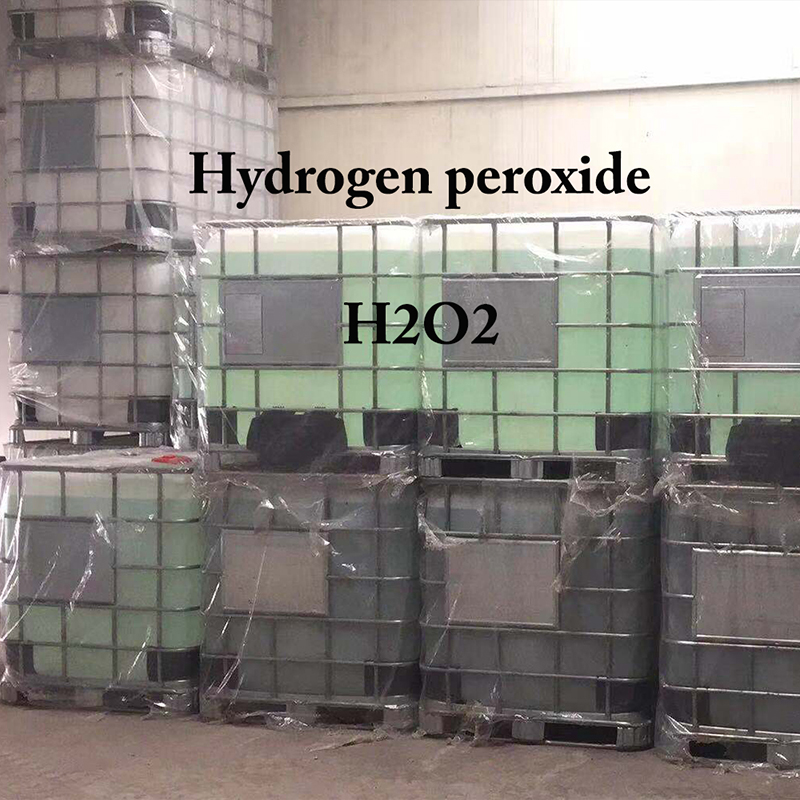
Operations managers face a difficult balancing act daily. You must balance easy chemical accessibility alongside stringent regulatory compliance. You must strictly adhere to OSHA and NFPA oxidizer guidelines. Standard flammable lockers simply fail these legal and physical tests.
Upgrading your storage infrastructure requires selecting the right engineered solution. Consider these primary options:
Dedicated Oxidizer Cabinets: These units feature segregated, non-combustible construction. They include special spill containment trays designed explicitly for reactive chemicals. They completely isolate oxidizers from ambient combustible dust.
Climate-Controlled Storage: High-concentration batches demand tight temperature regulation. Cooling prevents heat-accelerated decomposition. Keeping the chemical stable over longer periods requires reliable, consistent refrigeration systems.
Vented Chemical Storage Buildings: Bulk storage requires outdoor segregation. These specialized buildings employ mechanical pressure-relief systems. They safely vent excess oxygen gas away from populated work zones.
Using the wrong materials for piping or storage spells disaster. You must match your infrastructure to the chemical.
Approved Materials | Prohibited Materials |
|---|---|
Passivated 304L/316L stainless steel | Mild steel and carbon steel |
High-density polyethylene (HDPE) | Copper, brass, and bronze alloys |
Glass and pure Teflon (PTFE) | Zinc and galvanized metals |
Specially formulated fluoropolymer seals | Standard rubber seals and gaskets |
Common Mistake: Many engineers use standard rubber O-rings during pump maintenance. These degrade rapidly when exposed to high-concentration oxidizers, leading to sudden, dangerous leaks.
Proper containment is only half the battle. Your daily handling procedures must evolve to match the chemical threat. Upgrading your transfer equipment and emergency response gear prevents routine tasks from turning into accidents.
Moving chemicals between vats presents prime contamination opportunities. You must use dedicated, oil-free pumps. Facilities must install PTFE or Teflon-lined hoses exclusively. You must never swap hoses between different chemical stations. Sharing equipment introduces trace organics. This simple discipline prevents cross-contamination during every single transfer operation.
Standard warehouse spill kits often fail against strong oxidizers. You must upgrade to specific emergency requirements. When a leak happens, your team must respond correctly.
Mandate inorganic absorbents: Sand, earth, and vermiculite work perfectly. They smother the spill safely.
Ban organic absorbents: Never use paper towels, sawdust, or cotton rags. They absorb the liquid and easily catch fire.
Flush aggressively: Large spills require massive amounts of water to dilute the concentration below hazardous levels.
Isolate the zone: Immediately clear the area of all combustible pallets and cardboard packaging.
High concentrations demand serious baseline protective gear. Anyone handling 30% or higher solutions needs heavy-duty splash goggles. You should pair these with full face shields to prevent severe eye damage. Workers must wear compatible nitrile or neoprene gloves. Standard thin latex offers completely inadequate protection against severe chemical burns. Thick, non-porous aprons add an essential final layer of security.
Choosing a manufacturing partner for chemical storage requires strict vetting. You cannot rely on basic hardware catalogs. You need specialized engineering tailored specifically to aggressive oxidizers.
Evaluating a vendor starts with air flow engineering. You must ensure the proposed system specifies natural or mechanical ventilation. It must handle rapid oxygen off-gassing efficiently. Ask vendors to demonstrate their pressure-relief calculations. Look for explosion-relief panels if you store extreme volumes.
You need to evaluate your physical warehouse layout carefully. The solution must allow for legally required separation distances. NFPA codes often demand a 20-foot gap from incompatible materials. Ensure the vendor designs units that fit within your compliant zones. They should offer custom dimensions if your floor plan is exceptionally tight.
Never accept basic verbal guarantees from sales representatives. You must demand hard proof of NFPA 400 compliance. Verify the manufacturer provides clear material compatibility documents for h2o2. Ensure their welding practices meet strict passivated stainless steel standards.
Look closely at your future chemical volume needs. Modular storage buildings often offer better ROI than buying multiple standalone cabinets. They adapt better as your production scales up. A single, well-designed outdoor unit frees up valuable indoor manufacturing space. Discuss future expansion capabilities during your initial vendor consultation.
While hydrogen peroxide is not strictly flammable, its immense oxidizing power demands rigorous respect. It supercharges combustion and reacts violently to trace contamination. Treating it like a simple cleaning agent invites disaster. You must implement highly specialized storage strategies.
Safety managers should immediately audit their current chemical storage matrices. You need to specifically check your floor for unvented drums or aging IBCs. Look closely for improper co-storage next to flammable liquids or combustible packaging.
Consult directly with specialized chemical storage engineers today to safeguard your facility. Download a comprehensive oxidizer compliance checklist to guide your internal audit. Request a formal quote for dedicated, code-compliant containment systems to protect your workforce effectively.
A: No. At 3% concentration, it is mostly water. It poses absolutely no fire hazard. You can safely store consumer-grade formulas in standard cabinets without any specialized ventilation or segregation.
A: It decomposes rapidly into pure water and oxygen gas. In a sealed container, this rapid off-gassing creates severe pressure buildup. It will eventually rupture or burst the container explosively.
A: No. Storing an oxidizer with flammable liquids violates basic fire codes. If a leak occurs, the oxidizer will feed oxygen directly to the flammables, creating a catastrophic fire risk.
A: High concentrations above 70% can explode upon severe impact or heavy contamination. However, lower industrial grades (30-50%) typically rupture their containers due to gas expansion rather than chemically detonating.


