
Views: 0 Author: Site Editor Publish Time: 2026-06-13 Origin: Site


Industrial manufacturing relies heavily on aggressive, highly reactive chemical agents to drive essential processes. Among these materials, few remain as universally critical as strong mineral acids used across global supply chains. Securing a stable supply of high-purity nitric acid requires balancing exact technical specifications against severe regulatory demands. A slight miscalculation in concentration parameters or storage protocols can easily result in catastrophic facility damage. The high stakes of commercial procurement demand a rigorous, multi-layered approach to chemical sourcing. You must prioritize safety and regulatory adherence over basic availability. This guide establishes a comprehensive framework for evaluating industrial chemical suppliers and assessing your facility readiness. We will explore necessary safety engineering controls, critical vendor evaluation metrics, and strict handling protocols. You will learn exactly what is required to maintain compliance and protect your workforce during daily commercial operations.
Securing a reliable supply of HNO₃ requires evaluating vendors on purity consistency, logistical capabilities, and regulatory compliance.
Facility readiness is a prerequisite; specialized engineering controls and segregated storage are mandatory before procurement.
Strict adherence to professional safety protocols and specialized PPE is non-negotiable to mitigate severe health and reactivity risks.
You must clearly define your specific business needs before sourcing chemicals. Industrial procurement relies on matching technical specifications to exact commercial applications. This alignment prevents costly production delays. It also minimizes unnecessary hazardous exposure in your facility.
Commercial operations utilize HNO₃ for highly specialized tasks. Metal fabrication facilities rely on it for passivation processes. It removes free iron from stainless steel surfaces to prevent corrosion. The agriculture sector depends on it as a primary precursor for ammonium nitrate fertilizers. Chemical manufacturers also use it to synthesize polyurethanes and nylon precursors. You need to document your primary application clearly. Your chosen vendor will use this information to recommend the appropriate chemical grade.
Different industrial processes require vastly different acid concentrations. You must determine the necessary specifications early in the procurement cycle. Selecting the wrong concentration significantly impacts handling requirements and facility safety protocols.
Concentration Grade | Typical Industrial Application | Handling Implications |
|---|---|---|
Technical Grade (~60-68%) | Fertilizer precursors, standard metal passivation. | Requires standard active ventilation and basic corrosive PPE. |
Azeotropic Grade (68.4%) | Specialty chemical synthesis, analytical laboratories. | Requires precise environmental controls to maintain stability. |
Fuming (White or Red, >90%) | Explosives manufacturing, advanced aerospace propulsion. | Demands extreme isolation, specialized scrubbers, and severe hazard mitigation. |
Forecasting your chemical consumption determines the optimal delivery method. It also dictates your necessary storage capacity. Small specialty laboratories might only require specialized carboys. Mid-sized manufacturing plants typically utilize 55-gallon drums. Large industrial operations depend on bulk tank truck deliveries. You must balance bulk pricing discounts against the severe safety risks of storing large volumes on site. Never procure more hazardous material than your secondary containment systems can handle safely.
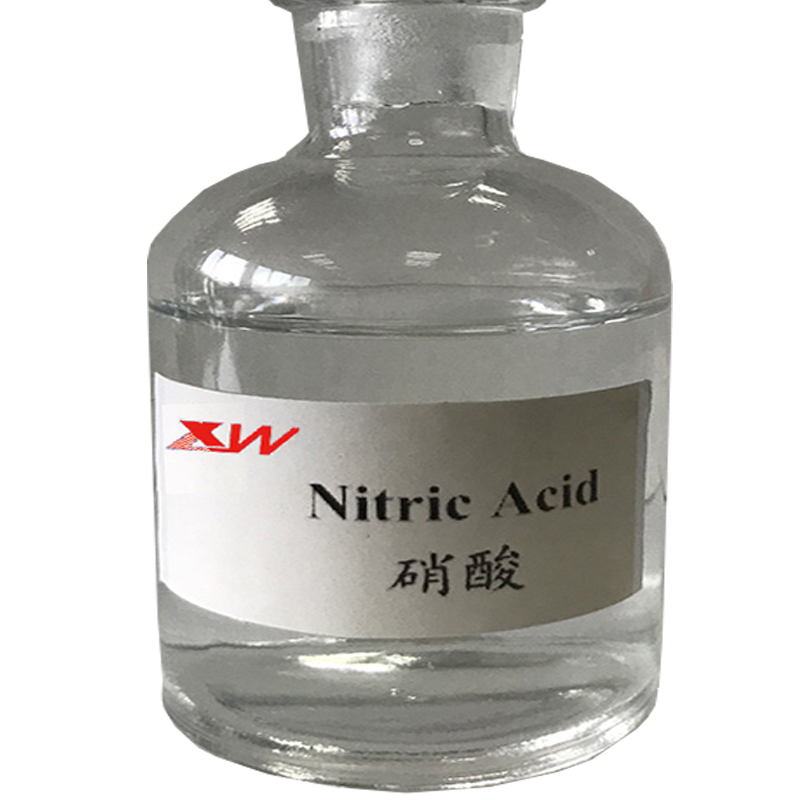
A reliable chemical supplier acts as an extension of your own safety infrastructure. You must evaluate potential vendors rigorously. Do not base procurement decisions solely on market pricing. Supply chain security and product quality are paramount.
You need to assess supplier track records for purity guarantees. Industrial processes suffer immensely from chemical impurities. Vendors must demonstrate strict batch consistency across multiple shipments. They must provide reliable Certificates of Analysis (CoA) for every single delivery. A CoA confirms the product meets your exact technical specifications. It also details any trace metals or contaminants present.
Transporting strong oxidizing agents carries significant inherent risk. You must evaluate a supplier's transportation safety record closely. Assess their delivery lead times and fleet conditions. The supplier must handle hazardous materials logistics securely. They should utilize specialized trucks equipped with appropriate spill containment systems. Driver training and emergency response protocols are also critical evaluation metrics.
Chemical vendors must comply strictly with national and international transport regulations. You must verify their adherence to Department of Transportation (DOT) or equivalent global rules. Proper placarding and manifesting are legal requirements. Vendors must also provide comprehensive, up-to-date Safety Data Sheets (SDS). Review these documents before accepting any material into your facility.
Request their standard operating procedures for chemical loading.
Verify their emergency response contractor affiliations.
Review their past regulatory citations or DOT violations.
Ensure their SDS library matches current international formatting standards.
You cannot introduce aggressive chemicals into a facility without profound infrastructural preparation. Facility readiness remains a non-negotiable prerequisite. You must mandate specialized engineering controls. Proper storage environments prevent catastrophic industrial accidents.
Toxic fume management is your primary engineering concern. You must mandate certified chemical fume hoods in all manual handling areas. Facilities require industrial scrubbers to safely manage and exhaust off-gassing. Nitric acid naturally decomposes into toxic nitrogen dioxide (NOx) gas. These red-brown fumes are highly toxic upon inhalation. Standard HVAC systems cannot handle these corrosive vapors. You must install dedicated, acid-resistant exhaust ductwork.
Implementing dedicated storage infrastructure protects your broader facility. You must utilize ventilated corrosive storage cabinets. These cabinets must feature chemically resistant coatings. They should incorporate secondary containment trays to catch slow leaks. Never store these aggressive materials on standard metal or wooden shelving. The acid will rapidly degrade these materials over time.
Chemical segregation prevents violent, uncontrolled reactions. As a strong oxidizing agent, this material poses unique hazards. You must establish strict physical separation boundaries in your warehouse.
Isolate from organic materials: Keep it far away from solvents, alcohols, wood, and paper.
Separate from reducing agents: Prevent contact to avoid immediate explosive reactions.
Distance from bases: Keep apart from strong alkalis to prevent violent, heat-generating neutralizations.
Remove combustible materials: Ensure the storage zone is entirely free of flammable clutter.
You must verify the presence of accessible safety equipment. Safety showers must be operational in all handling areas. Plumbed eyewash stations require weekly functional testing. This emergency infrastructure must sit within a ten-second walking distance from the chemical handling zone. Clear pathways are legally required at all times.
Engineering controls provide the first layer of defense. Strict adherence to professional safety protocols forms the second. You must protect your personnel from severe health risks. Specialized Personal Protective Equipment (PPE) is absolutely mandatory.
You must train all personnel thoroughly. They need to understand the severe corrosive nature of these materials. Contact causes immediate, irreversible tissue damage. Personnel must recognize the acute inhalation risks of NOx fumes. Even brief exposure to concentrated vapors can cause delayed pulmonary edema. Workers must respect the chemical to handle it safely.
Defining required gear for professional handling saves lives. Standard laboratory attire fails completely against strong oxidizers. You must supply specialized equipment for your team. Ensure all gear fits properly.
Eye Protection: Mandate chemical splash goggles. Combine them with full face shields for any transfer operations.
Hand Protection: Require heavy-duty, acid-resistant gloves. Specific grades of butyl rubber or thick neoprene are necessary. You must strictly prohibit standard thin examination gloves. They offer zero protection against strong oxidizers.
Body Protection: Provide acid-resistant lab coats. Dedicated chemical aprons made of thick rubber are ideal. Personnel must wear closed-toe shoes and long trousers.
Developing rigorous SOPs removes dangerous guesswork from daily operations. You must enforce these procedures consistently. Detail exact steps for chemical transfer and dilution. Always enforce the universal rule: add acid to water slowly. Never add water directly to concentrated acid. This prevents rapid boiling and dangerous splashes. Routine handling requires two-person verification for bulk transfers.
Reusing contaminated gloves across different facility zones.
Leaving chemical containers uncapped inside fume hoods.
Storing highly concentrated stock solutions for too long.
Ignoring minor yellowing in the fluid, which indicates toxic degradation.
Commercial facilities operate under strict government oversight. You must align your operations with local and federal laws. Environmental compliance proves just as critical as occupational safety. Mishandling chemical waste results in massive financial penalties.
Aligning operational practices with safety authorities is mandatory. In the United States, you must follow OSHA standards. OSHA enforces strict Permissible Exposure Limits (PELs) for airborne chemical hazards. Your facility must utilize air monitoring badges or fixed sensors. These tools ensure ambient vapor levels remain below legal limits. Keep detailed employee exposure records for routine audits.
Industrial facilities face strict environmental reporting requirements. The EPA (or equivalent local agency) monitors chemical storage thresholds. You must submit accurate tier reports annually. These reports detail the maximum daily volumes stored on your premises. You must also monitor and report any emissions from your exhaust scrubbers. Failure to report accurate data triggers severe regulatory investigations.
You cannot pour strong acids down standard facility drains. Establishing compliant, safe workflows for waste is essential. HNO₃ waste streams require careful neutralization and logging. You must contract certified hazardous waste management companies. They will supply specialized collection drums. Keep acidic waste entirely separate from organic solvent waste. Mixing these in a single disposal drum creates a massive explosion risk. Maintain clear waste manifests for all outbound shipments.
Securing industrial chemical supplies demands extreme diligence. Your procurement evaluation framework must prioritize quality assurance, secure logistics, and strict regulatory compliance. You cannot afford to cut corners when dealing with strong oxidizing agents. Facility safety infrastructure must precede any chemical deliveries. Rigorous PPE protocols and engineering controls dictate the success of your operation.
Your next steps involve active assessment. First, conduct a comprehensive facility safety audit. Ensure your fume hoods and secondary containments meet current standards. Next, initiate a formal vendor qualification process. Request updated CoAs and transportation records from your current suppliers. Implement these stringent standards to protect your facility, ensure legal compliance, and keep your workforce entirely safe.
A: Standard industrial grades typically range from 60% to 68% concentration. Fuming varieties exceed 90% concentration. They contain high amounts of dissolved nitrogen dioxide gas. This dissolved gas makes them visually smoke when exposed to air. Fuming grades amplify all safety risks, requiring extreme isolation and superior respiratory protection.
A: It requires absolute segregation from organic acids, like acetic acid. It is a powerful oxidizing agent. If mixed with organic materials, reducing agents, or flammables, it triggers violent fires or explosions. You must store it in a dedicated, ventilated corrosive cabinet apart from other chemicals.
A: The agriculture sector utilizes it extensively to produce ammonium nitrate fertilizers. In manufacturing, it serves as a critical precursor for polyurethanes and nylon synthesis. The electronics and metalworking industries also rely on it heavily for aggressive metal etching and surface passivation processes.


