


You probably recognize this chemical as a common household staple found in most medicine cabinets. Pure formulations appear as a distinct, pale blue liquid. However, standard aqueous solutions look completely colorless to the naked eye. It acts as an incredibly powerful oxidizer across diverse commercial industries. Moving beyond these basic definitions matters greatly for successful commercial scaling. Industrial applications require rigorous evaluation of specific concentration tiers. Facilities must carefully manage chemical stability, complex transport logistics, and strict safety compliance. Handling massive bulk volumes introduces inherent risks you simply cannot ignore. We designed this comprehensive guide specifically for decision-makers, facility managers, and procurement teams. You will discover a clear, actionable framework for evaluating and sourcing this critical chemical compound. We cover everything from fundamental molecular mechanisms to advanced vendor selection criteria. Keep reading to master proper handling strategies and optimize your chemical procurement processes.
Chemical mechanism: H2O2 relies on oxidation to break down organic matter, leaving only water and oxygen as byproducts (a major driver for green chemistry initiatives).
Grade dictates application: Selection must align strictly with concentration tiers, ranging from 3% (household/medical) to 35% (food-grade) and >50% (industrial).
Storage and volatility are primary cost factors: Degradation rates and stabilization requirements significantly impact supply chain logistics and overall ROI.
Regulatory compliance is mandatory: Handling industrial-grade H2O2 requires adherence to specific OSHA, EPA, and CDC guidelines to mitigate exposure risks.
Understanding the fundamental molecular structure prevents costly application errors. The baseline formula consists of two hydrogen atoms bonded tightly to two oxygen atoms. This specific arrangement forms an inherently unstable peroxide bond. The instability of this bond drives its extreme chemical reactivity. We consistently study the role of h2o2 in chemistry to harness its potent oxidation process safely. Once applied, the compound rapidly releases aggressive free radicals. Specifically, it generates hydroxyl radicals during advanced oxidation processes. These aggressive radicals actively attack and destroy rigid bacterial cell walls. They fundamentally alter complex organic chemical structures on contact.
Next, we must thoroughly examine its decomposition profile. The compound naturally breaks down into two simple elements: water and oxygen. Many chemical suppliers aggressively promote a "zero-residue" marketing claim. We must address this claim transparently for procurement accuracy. Pure laboratory environments do achieve genuine zero-residue outcomes. However, commercial field solutions look vastly different. Manufacturers must add stabilizing additives to commercial batches. These stabilizers prevent rapid, dangerous breakdown during highway transit. Consequently, standard commercial grades often leave microscopic trace mineral residues behind. You must account for these trace residues during high-purity processing applications. Ignoring stabilizers leads to unexpected contamination in sensitive manufacturing runs.
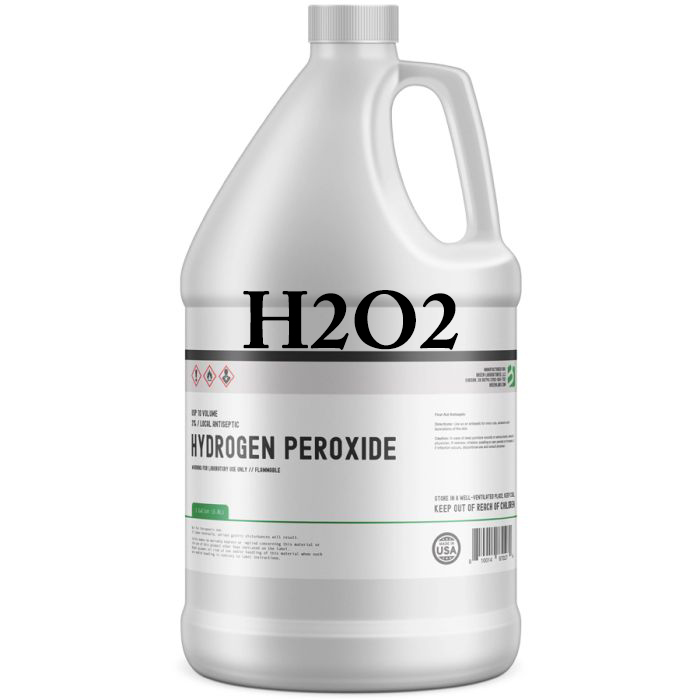
Selection strictly depends on your required operational concentration. Different concentration grades serve drastically different end uses. Purchasing the wrong tier causes immediate equipment failure or severe safety incidents. The table below outlines the primary procurement categories you will encounter.
Concentration Grade | Primary Use Cases | Evaluation Note |
|---|---|---|
3% to 12% (Consumer & Healthcare) | Topical antiseptics, surface disinfection, hair bleaching | Highly commoditized. Low safety risk. Requires frequent replenishment due to short shelf life. |
35% (Food-Grade) | Aseptic packaging, food equipment sterilization | Lacks heavy metal stabilizers. High purity requirements heavily increase base cost. |
50% to 70% (Industrial Grade) | Pulp and paper bleaching, textile processing, wastewater treatment | Requires specialized handling and dedicated venting infrastructure. High degradation risk. |
You find these lower concentrations in everyday applications. Primary use cases include basic topical antiseptics. Healthcare facilities use them for rapid surface disinfection. Salons utilize these lower tiers for cosmetic hair bleaching. We consider this category highly commoditized. It presents a very low handling risk for untrained staff. However, you must carefully manage your inventory cycles. These lower concentrations require frequent stock replenishment. Their effective shelf life remains relatively short compared to stabilized bulk chemicals.
Food processing facilities require immense precision. Here, we evaluate bulk hydrogen peroxide for highly sensitive applications. Use cases focus heavily on advanced aseptic packaging lines. Production managers rely on it for massive food processing equipment sterilization. Note the critical evaluation criteria for this tier. Food-grade solutions strictly exclude heavy metal stabilizers. They must maintain exceptional purity levels to meet FDA standards. This strict purity directly increases production, storage, and sourcing costs. You cannot cut corners on storage conditions here.
Use cases span massive, heavy industrial operations. Classic examples include aggressive pulp and paper bleaching. We see widespread usage in global textile processing. Municipal wastewater treatment plants consume these vast volumes daily. High concentrations demand highly specialized human handling. Facilities absolutely need dedicated physical venting infrastructure. You must utilize sophisticated stabilizer packages. These heavy stabilizers prevent rapid, dangerous chemical degradation during warm weather storage.
Procurement teams must justify chemical selection against viable market alternatives. We must evaluate performance, environmental impact, and implementation reality.
Let us compare common industrial water oxidizers. Chlorine acts significantly faster at much lower concentrations. Conversely, h2o2 requires much higher application volumes to match chlorine. Sometimes it requires specific chemical catalysts like direct UV light. This dual approach achieves equal disinfection efficacy during intense wastewater treatment. Next, look at the environmental and compliance impacts. Relying on peroxide completely eliminates harmful chlorinated byproducts. You avoid generating dangerous trihalomethanes entirely. This heavily reduces long-term regulatory friction with environmental agencies. It also slashes complex, toxic disposal costs.
Finally, evaluate the financial cost-to-outcome ratio carefully. Peroxide generally carries a notably higher upfront chemical price tag. You must weigh this premium against substantial back-end savings. Facilities often see much lower wastewater mitigation expenses over a fiscal year. Eliminating toxic runoff frequently justifies the higher initial purchase price.
Ozone presents a completely different set of operational challenges. Implementation realities dictate highly specific financial models. Facilities must generate volatile ozone directly on-site. You cannot ship it safely in trucks. This constraint requires extremely high CapEx for complex generation equipment. In contrast, suppliers deliver liquid peroxide directly to your facility. You store the liquid in dedicated, customized facility tanks. This logistical model creates higher ongoing OpEx. However, it requires a significantly lower initial CapEx investment. Review the quick comparison chart below to visualize these trade-offs.
Alternative Oxidizer Chart | CapEx Investment | OpEx (Recurring Cost) | Environmental Risk Profile |
|---|---|---|---|
Hydrogen Peroxide | Low to Medium | High | Excellent (Breaks down to water/oxygen) |
Chlorine/Bleach | Low | Low | Poor (Generates toxic byproducts) |
Ozone Generation | Extremely High | Low | Excellent (Leaves zero residue) |
Proper implementation demands uncompromising facility safety standards. Never underestimate the explosive potential of concentrated oxidizers.
Natural chemical off-gassing and pressure buildup occur constantly. We must stress the absolute necessity of engineered vented caps. Sealed drums will eventually swell and violently rupture. Facilities require highly specialized, engineered storage tanks. You must ensure proper chemical passivation of all stainless steel surfaces. Passivation involves treating the steel with nitric acid. This process strips free iron away from the inner surface. Free iron rapidly catalyzes dangerous peroxide decomposition. Alternatively, you can use strictly approved, chemically compatible polymer plastics like high-density polyethylene (HDPE).
Consider the constant, unavoidable degradation factor. Concentration loss happens predictably over extended time periods. We typically see a 1% to 2% volume loss per year. This slow loss assumes completely ideal, climate-controlled storage conditions. Extreme ambient heat aggressively accelerates this rapid breakdown. Direct sunlight exposure destroys the chemical bond almost immediately. You must rotate bulk stock rigorously to maintain operational efficacy.
Ignoring compliance guidelines exposes your workforce to severe danger. Facility managers must implement the following safety mandates:
Reference and post all standard CDC and OSHA exposure limits prominently.
Protect workers against severe chemical skin burns using heavy neoprene gloves.
Mitigate dangerous respiratory irritation caused by concentrated ambient vapors.
Install high-volume eye-wash stations near all primary storage zones.
Ensure maximum facility ventilation around indoor storage tanks.
Best Practice: Always conduct quarterly audits of your tank venting mechanisms. Dust or debris clogs these vents easily, leading to silent pressure spikes.
Common Mistake: Never mix this oxidizer with incompatible organic solvents or highly flammable liquids. This specific error frequently causes immediate, catastrophic chemical fires.
Improper storage directly compromises chemical efficacy. It also creates immediate, severe facility hazards. Never cut corners on tank venting protocols or worker PPE training.
Choosing the right chemical vendor mitigates long-term operational risks. Follow these precise evaluation steps before signing heavy supply contracts.
Analyze Stabilizer Formulations: Question prospective suppliers deeply. Ask what specific chemical additives they use to stabilize the product. Understand exactly how these proprietary additives interact with your end-use application. Heavy metal stabilizers ruin sensitive food packaging runs.
Evaluate Logistics and Fleet Capabilities: Inspect their transportation and delivery methods. Verify they use dedicated, passivated transport trucks exclusively for this chemical. Shared trucks cause disastrous cross-contamination during transit. A tiny amount of rust inside a trailer causes rapid off-gassing.
Demand Purity Guarantees and Documentation: Never accept verbal purity claims from sales representatives. Always demand official Certificates of Analysis (COA) for every bulk delivery. Use these documents to verify exact concentrations. Check the trace metal limits carefully. A missing COA signals massive quality control failures.
Initiate a Pilot Test Action: Take immediate defensive action before finalizing contracts. Run a small pilot test for your planned dilution rates. Confirm absolute material compatibility with your existing pumps and pipes. Do this vital step before committing to expensive, permanent bulk storage installations.
Procurement teams hold a massive operational responsibility today. This unique compound remains an unparalleled green oxidizer for modern industry. Yet, lasting operational success relies entirely on procurement precision. You must carefully select the perfectly matched concentration grade for your specific task. Furthermore, facilities must actively manage inherent storage volatility to prevent accidents. We strongly recommend auditing your current physical infrastructure immediately. Inspect all tank materials, pipe seals, and safety venting systems thoroughly. Review your local regulatory and environmental requirements carefully. Complete these crucial verification steps before selecting any industrial or food-grade chemical supplier. Smart preparation ensures maximum chemical efficacy and absolute facility safety.
A: Commercial shelf life depends entirely on concentration, added stabilizers, and storage conditions. High-quality stabilized solutions can easily last one to three years. They typically degrade at a slow rate of 1% to 2% annually. However, exposing the liquid to extreme heat, direct UV light, or dirt rapidly accelerates decomposition. Always store it in cool, dark, and properly vented environments.
A: We strongly advise against manually diluting industrial grades for basic cleaning. Handling concentrations above 35% poses extreme safety risks to untrained staff. Accidental physical exposure causes severe chemical burns and dangerous respiratory irritation. Facilities should always purchase pre-diluted consumer or commercial cleaning grades directly from certified chemical suppliers.
A: The iconic foaming happens due to a rapid enzymatic reaction. Blood and living biological cells contain an enzyme called catalase. When the liquid touches organic matter, catalase immediately attacks it. This enzyme rapidly breaks the chemical down into plain water and gaseous oxygen. The escaping oxygen bubbles create the visible, active foam.
A: Food-grade solutions strictly exclude toxic heavy metal stabilizers. Standard industrial grades use heavy metals to artificially extend shelf life. Regulatory agencies require high purity for applications directly touching human consumables. Processors use it to sterilize aseptic packaging and machinery. This absence of heavy stabilizers increases base costs and requires far stricter storage protocols.


