
Views: 0 Author: Site Editor Publish Time: 2026-06-19 Origin: Site


What exactly does this ubiquitous chemical do behind the scenes? Many people still associate hydrogen peroxide exclusively with bubbling scraped knees or bleaching hair. However, understanding its true chemical function reveals a much more powerful tool. Today, businesses and facility managers face a practical problem. You must select a scalable, safe, and effective oxidizing agent for complex sanitization, commercial bleaching, or industrial processes.
We must separate outdated medical advice from modern applications. While routine wound care no longer relies on this chemical, organizations now use it to meet strict environmental and CDC guidelines. High-level disinfection depends heavily on this volatile yet residue-free solution.
This article provides an objective breakdown of how the chemical works. We will explore its primary solution categories across various industries. Finally, you will learn the exact evaluation criteria needed for commercial rollouts and high-level home implementation.
Core Action: Hydrogen peroxide acts as a highly reactive oxidizing agent, effectively breaking down cellular walls of pathogens and organic stains.
Residue-Free: Unlike chlorine bleach, H2O2 naturally decomposes into water and oxygen, requiring zero toxic residue management.
Concentration Dictates Use: Efficacy and safety are strictly bound to concentration levels—from 3% retail solutions to 35%+ industrial grades.
Implementation Risks: H2O2 requires specific storage conditions (opaque containers, temperature control) due to its volatile degradation when exposed to light or heat.
Modern Medical Consensus: Medical authorities (like the CDC) no longer recommend standard hydrogen peroxide for routine wound care due to healthy tissue damage, shifting its primary value to surface disinfection.
Understanding the chemical action explains why this solution dominates the commercial cleaning industry. At its core, the chemical relies on rapid oxidation. The molecule releases a highly reactive free oxygen atom. This free radical aggressively targets and steals electrons from other molecules. When it contacts bacteria, viruses, or fungi, this intense oxidative stress literally destroys their cell walls. The outer defenses of the pathogen break apart, rendering the organism completely inactive.
You must define what a successful deployment actually looks like. In a medical facility, success means achieving specific log-reductions in pathogens. A Log 6 reduction, for example, eliminates 99.9999% of dangerous microbes. In a commercial laundry setting, success looks different. The goal is removing stubborn organic stains, like blood or wine, without causing fabric degradation. Because oxidation targets organic compounds so effectively, it lifts these stains at a molecular level.
Almost everyone recognizes the signature bubbling effect. We call this the catalase reaction. Catalase is a common enzyme found in human blood, bacteria, and various organic materials. When the liquid contacts this enzyme, it rapidly breaks the chemical bond. The solution instantly transforms into plain water and gaseous oxygen. The bubbles you see are just oxygen escaping into the air.
Common Mistake: Do not assume vigorous bubbling indicates the severity of an infection or the depth of a stain. The fizzing merely indicates the breakdown of the chemical itself. It proves the enzyme is present, but it does not measure the actual cleaning efficacy.
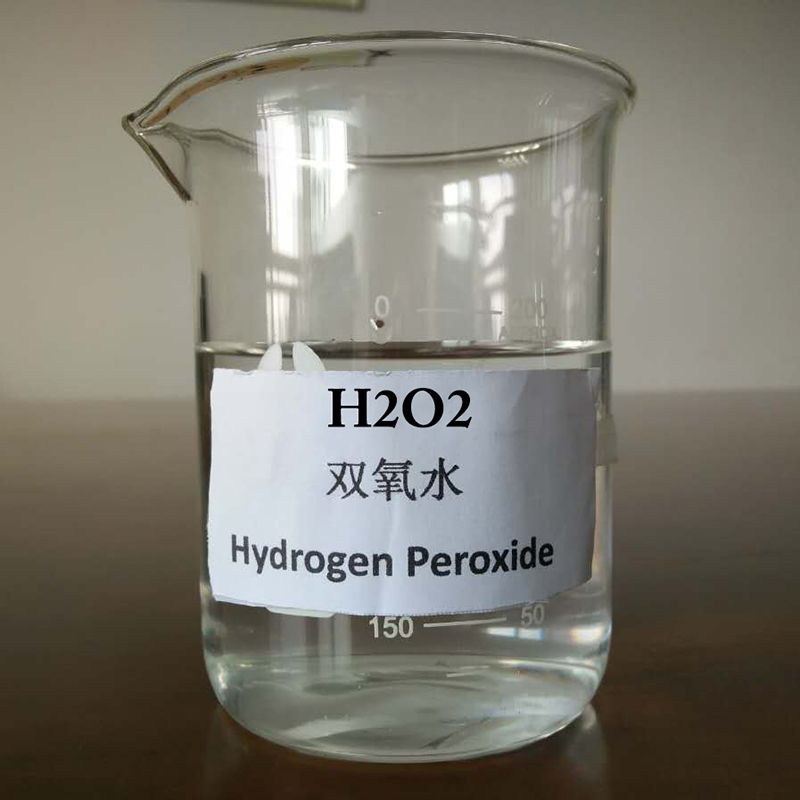
Different industries leverage this oxidizer for entirely different reasons. We can divide these applications into three distinct operational categories.
Hospitals require aggressive, broad-spectrum pathogen elimination. Facility managers deploy the solution for hard-surface disinfection across waiting rooms and operating theaters. Many top-tier hospitals use vaporized systems (VHP) to sterilize complex medical equipment. The vapor penetrates tiny crevices on respirators and surgical tools. This application ensures complete compliance with strict CDC environmental cleaning standards. It leaves behind no toxic residues that might harm vulnerable patients.
Restoration teams face difficult organic challenges. They use concentrated formulations for mold remediation, deep grout cleaning, and protein-based stain removal. Standard bleach often struggles with porous surfaces. It only removes the surface color of mold while leaving the roots intact. Conversely, the oxidative action penetrates porous wood and drywall to destroy the organic structure completely. This provides highly effective organic breakdown without the corrosive off-gassing associated with traditional chlorine bleach.
Large-scale operations require massive, environmentally safe sanitation. Facilities use it for wastewater oxidation, safely neutralizing toxic byproducts before they reach local waterways. Agricultural centers use it for hydroponic root oxygenation. Adding minimal amounts to nutrient water prevents root rot and boosts plant health. Food processing plants rely on it to sanitize food-grade equipment. It provides scalable sanitation that leaves absolutely no chemical footprint. This guarantees strict regulatory compliance in municipal water and global food systems.
Your success depends entirely on selecting the proper strength. Using a weak solution wastes time, while deploying a concentrated formula without protection invites severe injury. You must evaluate your specific environment before purchasing.
Concentration Level | Primary Application | Safety & Handling Requirements |
|---|---|---|
3% Standard | Household cleaning, minor topical disinfection, low-risk areas. | High safety. No specialized PPE required. Low handling risk. |
6% to 12% | Cosmetic hair bleaching, commercial cleaning formulations. | Moderate safety. Requires basic PPE (gloves, safety goggles). |
30% to 35% Food Grade | Industrial facility sterilization, agricultural water treatment. | Hazardous. Requires strict dilution protocols, specialized training, and hazmat storage. |
This retail grade works perfectly for general surface cleaning and low-risk environments. You can safely use it to wipe down kitchen counters, bathroom fixtures, and office desks. It requires virtually no specialized handling. While historically used for minor topical disinfection, modern guidelines suggest limiting skin application. Its primary value lies in safe, everyday facility maintenance.
Mid-range concentrations step up the oxidative power. Salons use these levels for hair bleaching, while commercial janitorial services blend them into heavy-duty cleaning formulations. At this level, the liquid can cause mild skin irritation or temporary whitening of the fingertips. Handlers must wear standard PPE, including nitrile gloves and protective goggles, during application.
Industrial applications demand maximum potency. Facilities use 35% H2O2 for large-scale agricultural operations or full-facility sterilization. The evaluation lens here changes dramatically. You cannot use this grade straight out of the drum. It requires precise, strict dilution protocols before deployment. Businesses must maintain hazardous material storage compliance. Workers handling these drums require specialized safety training to prevent severe chemical burns.
Implementing an oxidation program introduces distinct operational risks. You must proactively manage storage logistics, material compatibility, and staff safety protocols.
This molecule is inherently unstable. It degrades rapidly when exposed to direct UV light or ambient heat. You must evaluate your supply chain and storage capabilities before ordering bulk shipments. Always store the solution in dark, opaque containers. High-concentration drums require specially vented caps. If the liquid accidentally degrades, the escaping oxygen gas can build immense pressure. Without a vented cap, a sealed container could eventually rupture.
You cannot use this solution on every surface. While it excels on glass, stainless steel, and plastics, it aggressively attacks certain materials. It will tarnish or severely damage reactive metals like brass, copper, and zinc. Furthermore, repeated exposure will degrade certain natural stone finishes, particularly unsealed marble. Always map out the exact surface materials in your facility before authorizing widespread use.
Regulatory bodies enforce strict guidelines regarding chemical exposure. Higher concentrations introduce serious inhalation and skin-contact risks. Inhaling the vapor of a 35% solution can cause severe respiratory distress. OSHA mandates specific ventilation standards for facilities deploying these solutions indoors. Ensure your facility rollout includes mandatory PPE: chemical-splash goggles, heavy-duty neoprene gloves, and appropriate respiratory protection if ventilation is inadequate.
We must transparently address the massive shift in modern medical guidelines. For decades, families poured the 3% solution into deep cuts. Today, doctors strictly warn against using it on deep wounds. The chemical does not distinguish between a bacterial cell wall and a healthy human cell wall. The oxidative stress destroys fibroblasts. Fibroblasts are the specific cellular structures your body needs to rebuild tissue and heal the wound. Applying the liquid delays healing and introduces unnecessary tissue cytotoxicity.
Facility managers rarely make purchasing decisions in a vacuum. You must weigh this oxidizer against standard legacy chemicals to optimize your sanitation protocols.
Standard bleach remains incredibly popular due to its low initial purchase price. However, bleach introduces significant operational friction. It causes severe off-gassing, irritating the respiratory tracts of workers and occupants. Furthermore, bleach leaves behind toxic salt residues. On porous surfaces like wood, bleach only removes the stain but fails to penetrate deeply.
Shortlisting trigger: Choose the oxidative approach when residue-free breakdown is a strict environmental requirement. Because it decomposes into natural water and oxygen, you completely eliminate the labor costs associated with post-cleaning residue removal.
Hospitals and gyms frequently use Quats for daily wipe-downs. While effective, Quats present two growing problems. First, they leave a sticky, layered residue on surfaces over time, which actually traps dirt. Second, scientists warn about emerging antimicrobial resistance linked to the overuse of Quats.
Shortlisting trigger: Opt for the oxidizer to avoid sticky surface build-up. The sheer physical destruction of the cell wall prevents bacteria from developing immunity or resistance to the chemical.
Conduct Small-Scale Patch Tests: Before applying the solution to expensive flooring or upholstery, test a hidden area to ensure colorfastness and material compatibility.
Review Safety Data Sheets (SDS): Mandate that your compliance team reviews the SDS for the specific concentration you intend to purchase.
Establish Dilution Protocols: If buying bulk industrial grades, install automated dilution dispensers to remove human error from the mixing process.
This powerful oxidizer offers unmatched strategic value for modern operations. It functions as a scalable, environmentally friendly solution capable of destroying complex pathogens and stubborn organic stains. By relying on pure oxidative stress rather than toxic chemical lingering, it meets the highest standards of environmental compliance.
However, successful implementation relies entirely on rigorous operational discipline. You must select the correct concentration for your specific use case. You must adhere tightly to storage guidelines, keeping the product away from heat and UV light. Furthermore, protecting your staff with appropriate safety protocols ensures a smooth, risk-free rollout.
Take time to review your current sanitation protocols today. Compare your existing chemical residues against the clean, zero-footprint breakdown of an oxidative approach. Consult with your chemical supplier to match exact specifications and concentration needs to your facility's unique demands.
A: Yes. It acts as a broad-spectrum antimicrobial agent. It destroys the cell walls of bacteria, fungi, and many viruses through aggressive oxidation. For guaranteed results against specific pathogens, you must follow the precise dwell times outlined on EPA-registered product labels.
A: The chemical causes cellular cytotoxicity. While it successfully kills bacteria in a wound, it also destroys healthy human cells, specifically fibroblasts. This collateral damage delays the natural healing process and can increase the risk of eventual scarring.
A: Degradation begins immediately upon exposure to air and light. A standard 3% retail bottle typically loses its peak efficacy about 6 months after opening. Unopened bottles stored in cool, dark environments can remain stable for up to 3 years.
A: No. While safe for glass, plastics, and stainless steel, it can cause severe damage to other materials. It accelerates tarnishing on reactive metals like copper and brass. It can also etch unsealed natural stone like marble and bleach sensitive dyed fabrics.
A: It boasts one of the safest degradation profiles in the chemical industry. The molecule naturally decomposes into two harmless byproducts: plain water (H2O) and gaseous oxygen (O2). This leaves zero toxic residue behind on surfaces.


