
Views: 0 Author: Site Editor Publish Time: 2026-06-17 Origin: Site


Evaluating chemical safety for commercial facilities requires looking past popular consumer myths. Buyers and facility managers need a clear, evidence-based understanding of chemical safety before procurement or broad implementation. These early operational decisions dictate both daily efficiency and long-term workplace security.
As a baseline reality, hydrogen peroxide acts as a highly effective, environmentally preferable oxidizer. It breaks down into simple water and oxygen after use. However, its safety profile remains entirely dependent on concentration levels, storage conditions, and proper application protocols. Treating industrial formulations like common household supplies introduces severe compliance risks.
You must discard "miracle chemical" consumer narratives and focus instead on verified Safety Data Sheets. We will explore strict material compatibility, operational risk management, and safe handling procedures. Read on to discover exactly how to select the right chemical grade and manage it securely across your facility.
Safety profiles shift dramatically based on concentration: 3% retail solutions require minimal precautions, while >8% commercial/industrial grades demand strict PPE and EHS compliance.
Modern medical consensus advises against using H2O2 for wound cleaning due to cellular tissue damage; its true value lies in surface sanitation and industrial oxidation.
Scalable implementation requires specialized storage (vented caps, opaque containers) to prevent hazardous off-gassing and rapid degradation.
Selecting a chemical supplier requires verifying DOT shipping compliance and transparent SDS documentation.
Chemical safety begins by understanding solution categories. You cannot apply a universal safety standard across all concentrations. The chemical behavior changes radically as the concentration percentage increases. Facility managers must categorize their inventory to apply the correct handling procedures.
Manufacturers stabilize this low-concentration grade for general consumer safety. It presents a very low risk for intact skin exposure. Facilities primarily use it for minor surface cleaning. You will typically find it in pharmacies and grocery stores. It requires minimal protective equipment during routine use.
You will often see these percentages in salon developers and commercial cleaning formulations. The higher concentration introduces mild skin and eye irritation risks. Workers must wear basic personal protective equipment (PPE). Gloves and eye protection become mandatory to prevent accidental mucous membrane exposure.
The term "food grade" often confuses buyers. It simply means the solution is free of heavy metal stabilizers. Facilities require this purity for food-contact surface sanitation. However, it is highly corrosive in its undiluted form. You must implement strict dilution protocols before any employee uses it for cleaning.
Industrial sectors use these high concentrations for wastewater treatment, paper bleaching, and chemical synthesis. Regulators classify these solutions as hazardous materials. They pose severe combustion and exposure risks. Handling them requires specialized infrastructure and rigorous safety training.
Grade / Concentration | Primary Applications | Stabilizer Profile | Base Safety Risk Level |
|---|---|---|---|
Retail (3%) | Minor surface cleaning, home use | Standard stabilizers added | Low |
Commercial (6% - 12%) | Hair salons, facility janitorial | Standard stabilizers added | Moderate (Irritant) |
Food Grade (35%) | Food plant sanitation, agriculture | No heavy metal stabilizers | High (Corrosive) |
Industrial (35% - 90%) | Wastewater, bleaching, synthesis | Varies by specific application | Extreme (Hazardous) |
Selecting the right concentration solves specific business problems while mitigating unnecessary risks. You must evaluate your operational goals against the chemical's capabilities. Misaligning the concentration wastes resources or endangers staff.
Commercial facility management relies heavily on effective surface sanitation. You must evaluate required contact times and specific microbial targets. Standard 3% to 6% solutions prove highly effective for general decontamination. They destroy pathogens efficiently without leaving toxic chemical residues behind. This zero-residue benefit makes them ideal for hospital and cafeteria environments. Staff can clean surfaces rapidly without rinsing.
We must address a major shift in clinical guidelines regarding wound care. Historically, people poured standard 3% solutions into cuts to watch them bubble. Modern medical consensus now strictly advises against using it for open wound care. The chemical action destroys healthy fibroblasts. These cells are essential for tissue repair. Consequently, application delays natural healing and increases scarring risks. The true value of the chemical lies strictly in inanimate surface sanitation.
Heavy industries rely on H2O2 for massive bleaching and oxidation tasks. You must assess the outcome-to-feature ratio carefully. Industrial concentrations offer incredible efficacy and a zero-residue environmental footprint. However, you must evaluate your infrastructure readiness first. Handling highly reactive oxidizers demands specialized pumps, piping, and automated dosing systems. You cannot deploy industrial grades using standard commercial janitorial equipment.
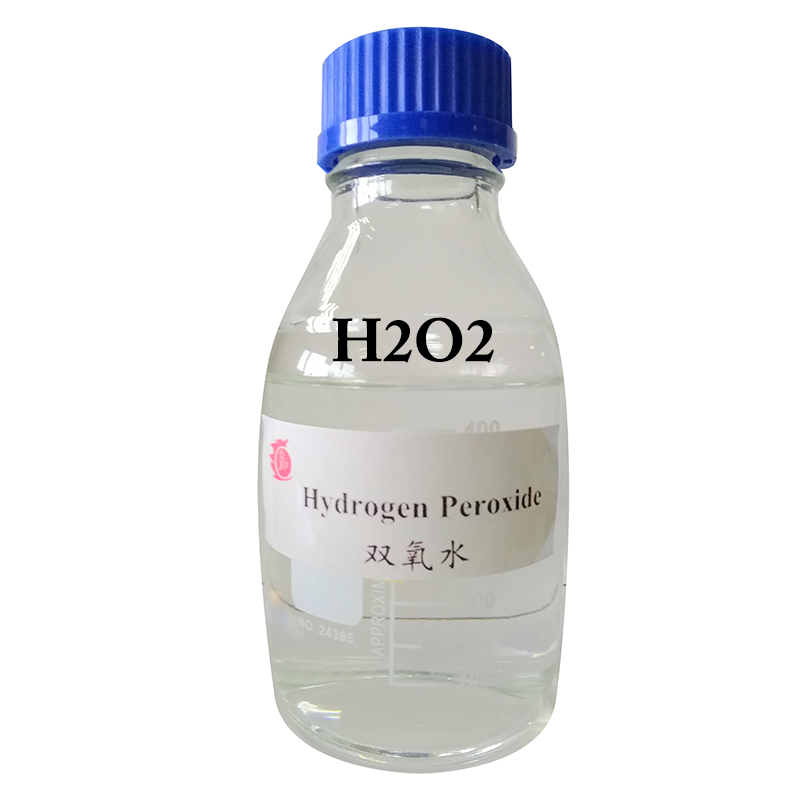
Procuring bulk chemicals introduces complex implementation realities. You cannot simply place drums in a standard supply closet. Proper storage and security protocols prevent catastrophic facility accidents.
The chemical reacts violently against many common materials. It rapidly oxidizes organic materials, causing combustion. It also reacts aggressively against transition metals and alkalis. You must audit your facility's infrastructure before receiving bulk shipments. Your storage and piping systems must utilize approved, non-reactive materials.
High-Density Polyethylene (HDPE): Excellent for storage tanks and drums.
Polytetrafluoroethylene (PTFE): Ideal for seals, gaskets, and flexible tubing.
Passivated Stainless Steel: Required for permanent industrial piping and large-scale vats.
Never allow the solution to contact copper, iron, or brass. These metals trigger rapid, dangerous decomposition.
Storage environments directly dictate chemical stability. The liquid continuously degrades into water and oxygen over time. Exposure to ambient light, elevated temperatures, or foreign contaminants drastically accelerates this breakdown. You must implement specific storage controls.
First, mandate the use of UV-blocking, opaque containers. Second, maintain temperature-controlled environments away from direct heat sources. Finally, you must use vented caps on all bulk containers. If oxygen off-gassing occurs in a sealed, unvented drum, the internal pressure will build until the container violently ruptures.
Scaling your operations changes your regulatory landscape. Transporting solutions above an 8% concentration triggers stringent regulatory compliance. The Department of Transportation (DOT) classifies these shipments under hazardous materials regulations. This classification impacts your procurement logistics and facility storage limits. You must ensure your receiving docks comply with local fire codes and hazardous material containment laws.
Environment, Health, and Safety (EHS) compliance protects your workforce. Operational risk mitigation requires proactive training and immediate first-aid readiness. You must treat high-concentration oxidizers with absolute respect.
Handling concentrated solutions makes proper PPE non-negotiable. Standard safety glasses offer insufficient protection against chemical splashes. Workers must wear unvented chemical splash goggles. We also recommend full face shields for bulk transfer operations. Employees must wear chemical-resistant aprons to protect their torsos. For hand protection, mandate the use of heavy-duty nitrile or neoprene gloves. Never allow staff to use leather or cotton gloves, as these organic materials can ignite upon contact.
Accidental exposure requires immediate, decisive action. Facility managers must train all staff on specific exposure protocols.
Skin contact causes immediate blanching. The skin will turn stark white and feel intensely painful. This indicates a chemical burn. You must immediately flush the affected area using safety showers or copious amounts of water. Continue flushing for at least 15 minutes.
Working in poorly ventilated areas creates inhalation risks. Vapor inhalation irritates the respiratory tract severely. Facilities must install dedicated HVAC extraction systems near chemical transfer stations. If inhalation occurs, move the affected worker to fresh air immediately and seek medical attention.
Ingestion poses life-threatening risks. Swallowing high-concentration solutions—particularly 35% "food grade" variations—causes severe internal expansion. The chemical rapidly releases oxygen gas inside the stomach. This massive gas expansion can rupture internal organs. Never induce vomiting. Seek emergency medical intervention immediately.
Spills will happen. Your team must know how to respond without triggering combustion events. Follow these actionable steps for spill containment:
Evacuate and Isolate: Clear all non-essential personnel from the spill zone immediately.
Don Proper PPE: Ensure the response team wears full protective gear, including respiratory protection if necessary.
Dilute Extensively: Flood the spill area with massive amounts of water to lower the concentration level safely.
Absorb with Inert Materials: Use only non-combustible, inert absorbents like sand or vermiculite. Never use paper towels, sawdust, or standard cloth rags.
Dispose Safely: Sweep the absorbed material into clean, dedicated plastic containers and manage it according to local hazardous waste regulations.
Your safety program relies heavily on your supply chain. Shortlisting qualified chemical suppliers requires strict vetting. You need partners who prioritize compliance and transparent documentation.
The vendor must provide easily accessible, up-to-date Safety Data Sheets. Do not accept generic documents. The SDS must reflect the specific stabilization profile of their exact product. This document dictates your facility's safety protocols. If a supplier hesitates to provide detailed documentation, disqualify them immediately.
Evaluate vendors based on their logistics capabilities. They must demonstrate the ability to legally and safely transport hazardous concentrations. Ask about their DOT compliance records. Ensure their delivery vehicles use proper segregation protocols to prevent mixing with incompatible goods during transit.
Bridging the gap between concentrated bulk delivery and safe end-use represents a major operational hurdle. Look for distribution partners that provide comprehensive dilution support. They should offer clear dilution matrices. The best suppliers provide automated dosing equipment or application support. This assistance prevents manual mixing errors and protects your frontline workers from unnecessary exposure risks.
Hydrogen peroxide is functionally safe and highly efficient when managed correctly. You must match the chemical with proper operational protocols, robust storage infrastructure, and appropriate concentration grades. Treating industrial oxidizers with the same casual approach as retail supplies leads to severe workplace hazards. However, enforcing strict material compatibility and PPE usage ensures a safe, highly productive facility environment.
Audit your current facility inventory to identify exact chemical concentrations in use.
Upgrade storage infrastructure to include vented caps, opaque containers, and approved non-reactive plastics.
Implement strict PPE mandates, specifically requiring splash goggles and nitrile gloves for all bulk handling.
Contact your chemical distribution specialist to request updated Safety Data Sheets for all active inventory.
A: No. Un-diluted 35% H2O2 is highly corrosive, poses severe burn risks, and requires industrial-level PPE. The term "food grade" only refers to the lack of toxic heavy metal stabilizers. It does not imply handling safety. You must follow strict dilution protocols before any application.
A: Yes. The chemical continuously breaks down into simple water and oxygen. Exposure to ambient light, heat, or organic contaminants drastically accelerates this degradation process. Always store it in cool environments using dark, UV-blocking containers with vented caps.
A: No. Mixing it with other chemicals produces hazardous reactions. Combining it with vinegar creates peracetic acid, which is highly corrosive. Mixing it with bleach releases dangerous toxic vapors. Always use it as a standalone cleaning or oxidizing agent.
A: You will immediately notice stark white skin blanching and a burning sensation. Immediately flush the affected area with copious amounts of water for at least 15 minutes. Remove any contaminated clothing. Seek professional medical evaluation and provide the attending physician with the specific product's SDS.


