
Views: 0 Author: Site Editor Publish Time: 2026-06-11 Origin: Site


Yes, nitric acid is a strong acid because it completely dissociates into hydronium and nitrate ions in an aqueous solution. This chemical presents a highly unique dual nature. It acts as an intensely corrosive strong acid while simultaneously functioning as a powerful oxidizing agent. Understanding this immense strength and reactivity matters greatly for modern industrial operations. Plant managers and chemical engineers must select the correct concentration for their specific operational use cases. Furthermore, facilities must ensure absolute compliance regarding strict environmental health and safety (EHS) guidelines. Evaluating supplier capabilities also hinges on understanding these aggressive chemical properties. In this comprehensive guide, we break down the fundamental chemistry driving this reactivity. You will learn how to align acid strength with specific business applications. We also cover essential storage safety guidelines, material compatibility limits, and key criteria for sourcing industrial-grade chemical solutions effectively.
Chemical Classification: Nitric acid (HNO₃) is universally classified as a strong acid due to its near 100% ionization in water.
Oxidizing Power: Unlike some other strong acids, its high oxidation potential makes it highly reactive with most metals and organic materials.
Application-Specific Grading: Procurement decisions must align with concentration requirements (e.g., 68% commercial grade vs. >86% fuming grades) based on the end-use.
Compliance & Storage: Handling requires specialized infrastructure (e.g., stainless steel or PTFE-lined containers) and strict adherence to Hazmat transport regulations.
When you dissolve this chemical in water, it undergoes complete ionization. The dissociation mechanics highlight this reality perfectly. The chemical equation behaves as follows: HNO3 + H2O → H3O+ + NO3-. You will notice the immediate generation of hydronium ions (H3O+). These resulting ions create a highly acidic pH environment almost instantly. Chemists measure the true strength of any acid using the acid dissociation constant (Ka). This specific substance boasts an exceptionally high Ka value. This high value provides objective, measurable proof of its classification as a strong acid. We can easily compare it against weak acids like nitrous acid (HNO2). Nitrous acid only partially ionizes in an aqueous solution, making it significantly less aggressive.
Beyond simple acidity, you must understand its specific oxidation state. The central nitrogen atom sits at a +5 oxidation state. This atomic configuration acts as an aggressive electron magnet. It desperately seeks to pull electrons away from other materials. This electron-hungry nature creates highly potent oxidizing properties. Many other strong acids, like hydrochloric acid, do not oxidize materials in this manner. They merely dissolve substances through standard acid-base reactions. This specific +5 oxidation state separates HNO₃ entirely from non-oxidizing strong acids. It will aggressively attack, oxidize, and dissolve most metals and organic compounds upon direct contact.
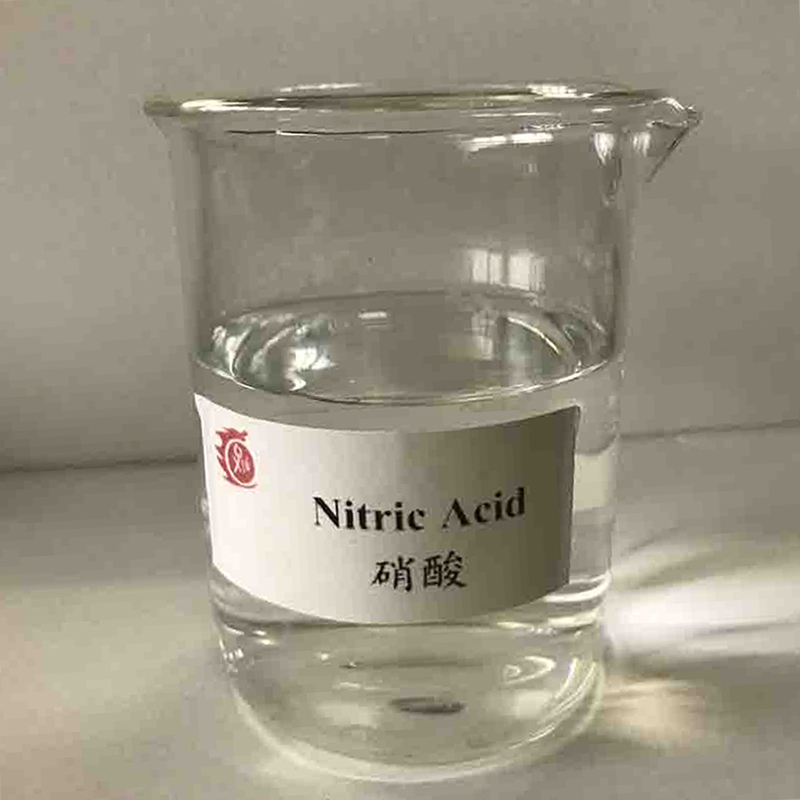
We categorize chemical solutions based on their exact industrial use cases. You must align your required operational outcomes directly to the necessary acid strength. Different sectors require vastly different purity and concentration levels.
Fertilizer Production: Agricultural chemical facilities manufacture ammonium nitrate using massive quantities of this chemical. You typically require standard commercial grades for this specific process. Purity demands remain relatively moderate, but daily volume requirements are immense.
Metalworking & Passivation: Precision manufacturers use it to remove free iron from stainless steel surfaces. This passivation process helps create a protective chromium oxide layer. You require specific dilution rates and high purity levels here. Contaminated acid solutions will ruin the final metal finish.
Electronics & Photovoltaics: Semiconductor fabrication heavily relies on precise silicon wafer etching and cleaning. You must source ultra-high purity or electronic grade solutions. Even trace heavy metal contamination will destroy delicate electronic components immediately.
When making strategic procurement choices, you must map these outcomes carefully. Do you need rapid metal oxidation or highly controlled micro-etching? You must avoid over-specifying your concentration limits. Buying expensive electronic grade chemical for basic fertilizer production completely wastes your budget. Conversely, under-specifying degrades your final product performance. Using basic commercial grade acid for delicate microchips will result in total system failure.
Selecting the correct chemical grade dictates your transport logistics and safety protocols. The industry standardizes these grades based on distinct concentration thresholds and behavioral characteristics.
Chemical Grade | Concentration Level | Primary Industrial Use Cases | Key Handling Risks |
|---|---|---|---|
Standard Azeotropic (Commercial) | 68% | Fertilizers, basic metal passivation, bulk cleaning. | Highly corrosive to tissue; reacts heavily with organics. |
Red Fuming (RFNA) | >86% | Aerospace propellants, heavy explosives. | Volatile NO2 off-gassing; severe inhalation hazard. |
White Fuming (WFNA) | >97% | Advanced chemical synthesis, specialized propellants. | Rapid decomposition; requires specialized venting systems. |
Standard Azeotropic Grade sits at 68% concentration. It serves as the primary workhorse for most bulk industrial applications. This specific concentration forms a stable azeotrope with water. This physical state makes it highly stable for commercial highway transport. However, it remains aggressively corrosive to human tissue and standard structural metals.
Red and White Fuming Nitric Acid (RFNA / WFNA) range from over 86% up to 99% absolute concentration. We use these extreme grades strictly for highly specialized applications. These include military explosives, aerospace propellants, and advanced pharmaceutical synthesis. They carry severe implementation risks for your facility. You will face rapid chemical decomposition during storage. They present extreme inhalation hazards due to volatile nitrogen dioxide fumes. Your facility will absolutely require specialized active venting systems to prevent dangerous pressure buildup.
Your internal decision framework must balance chemical performance against logistical realities. You should calculate the true cost-per-yield based on the active chemical concentration. Highly concentrated hazardous materials carry significant Hazmat transport premiums. In many cases, the specialized freight requirements completely negate the material cost savings of buying stronger chemical solutions.
Material compatibility dictates your entire storage infrastructure. You cannot cut corners regarding containment materials. Approved storage materials include 304L and 316L stainless steel alloys. We also rely heavily on specialized borosilicate glass and specific fluoropolymers like PTFE (Teflon). These specialized materials resist the severe oxidizing environment effectively over time.
Incompatible materials will cause catastrophic facility failures. You must avoid most standard industrial plastics entirely. Ordinary PVC and standard polyethylene will embrittle, crack, and fail rapidly. Standard rubber gaskets and seals will literally dissolve. Reactive metals like copper and brass will generate highly toxic, reddish-brown nitrogen dioxide gas the moment they make contact.
EHS and OSHA compliance requires rigorous, documented operational protocols. You must install mandated secondary containment systems around all bulk storage tanks. If you handle any fuming grades, you need dedicated, active vapor scrubbing systems. These scrubbers safely neutralize toxic off-gassing before it reaches the outside environment. You must also establish immediate emergency neutralization protocols. Facilities typically stage large quantities of calcium carbonate nearby to neutralize accidental chemical spills quickly and safely.
Security regulations add another major layer of operational complexity. High-concentration nitric acid serves as a highly monitored explosive precursor chemical. Jurisdictions track it heavily to prevent illicit manufacturing.
You must track all inbound Hazmat shipments meticulously through a verified chain of custody.
Facilities must maintain detailed, daily usage logs specifically for unexpected regulatory audits.
You must report any inventory discrepancies to relevant homeland security or environmental protection agencies immediately.
Personnel handling extreme chemical concentrations often require specialized federal background checks in many jurisdictions.
You need a rigorous, data-driven shortlisting logic for chemical procurement. Relying purely on the lowest bid often introduces severe supply chain vulnerabilities. We recommend organizing your supplier evaluation around three distinct pillars.
Supplier Shortlisting Logic Chart | |
|---|---|
Purity and Assay Verification | Does the supplier provide a distinct, batch-specific Certificate of Analysis (CoA)? This document must confirm tight heavy metal limits. Batch-to-batch consistency matters deeply for delicate industrial processes. |
Packaging and Logistics | Evaluate available delivery methods thoroughly. Can they reliably supply carboys, drums, IBC totes, or bulk tankers? Review the supplier's historical Hazmat transport track record carefully. |
Supply Chain Redundancy | Analyze domestic versus imported sourcing risks. Imported chemicals frequently face unpredictable port delays. Domestic sources offer higher stability. Verify their standard lead times and minimum order quantities (MOQs). |
Your next steps require decisive, documented action. You must immediately request a technical data sheet (TDS) and a comprehensive safety data sheet (SDS) from potential vendors. We strongly recommend requesting small, pilot-scale product samples first. You should run rigorous facility compatibility testing in your own lab before committing to a long-term, multi-ton contract.
Nitric acid remains a fundamentally indispensable chemical for modern manufacturing and agriculture. Its status as a highly corrosive, powerful oxidizing acid dictates every single aspect of its commercial lifecycle. This reality influences everything from initial process engineering down to final procurement logistics. You must align your required concentration directly with your end-use application to maintain efficiency and safety. Furthermore, establishing rigorous material compatibility standards and EHS compliance protocols protects your facility from catastrophic accidents. Carefully evaluating your suppliers ensures consistent purity and stable supply chains. We encourage technical buyers to contact their dedicated sales engineering team today. They can help you discuss specific concentration requirements, request a tailored EHS consultation, or generate a precise bulk pricing quote for your facility.
A: Both are classified as strong acids because they completely dissociate in water. However, sulfuric acid generally produces a lower pH at an equivalent molarity due to its diprotic nature. Despite this, nitric acid acts as a vastly superior oxidizing agent, making it more aggressively reactive toward heavy metals and organic compounds.
A: The acid naturally decomposes over time into nitrogen dioxide (NO2) gas and water. This dissolved NO2 gas causes the distinct yellow or brownish tint. This color change clearly signals chemical aging, elevated storage temperatures, or prolonged exposure to ultraviolet light.
A: It cannot dissolve gold on its own. Gold resists standard oxidation highly effectively. To dissolve gold, you must mix nitric acid with concentrated hydrochloric acid. This specific chemical mixture forms aqua regia, which easily dissolves noble metals.
A: Industrial grades typically maintain their exact assay for 6 to 12 months under ideal conditions. The actual degradation curve accelerates rapidly based on environmental variables. High ambient storage temperatures and direct UV exposure will shorten its usable shelf life significantly.


