
Views: 0 Author: Site Editor Publish Time: 2026-06-14 Origin: Site


People often ask if this chemical poses serious risks to personnel and infrastructure. Yes, nitric acid remains fundamentally dangerous. It carries a severe dual nature. It acts as both a highly corrosive substance and an incredibly powerful oxidizing agent. Industrial operations rely heavily on it daily. We see it used constantly across manufacturing, advanced metallurgy, and analytical laboratory applications. It plays a vital role in producing fertilizers and explosives. However, mishandling it carries immediate and severe consequences. Operators face catastrophic risks including deep thermal burns, toxic gas exposure, and spontaneous facility fires. Many facilities misunderstand the extent of these threats. This article moves well beyond basic hazard awareness. We want to fully equip you for safe operations. You will discover a clear, actionable decision-making framework. We guide you through evaluating facility compliance. We examine strict storage requirements. Finally, we establish protocols to ensure total spill response readiness.
Nitric acid is highly corrosive and a strong oxidizer; it reacts violently with organic materials and common solvents.
Inhalation of nitric acid fumes (specifically nitrogen dioxide, NO₂) presents delayed, severe respiratory hazards.
Standard spill kits are insufficient and potentially dangerous; facilities must procure acid-neutralizing absorbents specifically rated for strong oxidizers.
Proper storage requires dedicated acid cabinets with strict segregation from flammables, bases, and organic compounds.
We must understand how HNO₃ behaves physically and chemically. Concentration strongly dictates the hazard level. Standard commercial grades usually hover around 68%. They demand strict handling protocols. Fuming grades push concentrations well above 86%. These exhibit extreme volatility at room temperature. The danger scales exponentially as the concentration increases. Fuming variations rapidly emit lethal vapors upon air exposure. You cannot treat different concentrations identically.
Corrosive tissue damage only tells half the story. Most standard mineral acids strictly cause chemical burns. This specific liquid aggressively oxidizes organic matter. Contact easily ignites everyday workplace materials. Wood pallets, paper logs, or standard shop rags can catch fire instantly. You must treat it differently than hydrochloric or sulfuric acid. It donates oxygen to combustible items. This action fuels fires intensely. Standard fire suppressants often fail here.
Toxic fume generation presents a severe, hidden threat to workers. The liquid continuously off-gasses dangerous nitrogen oxides. We collectively call these gases NOx. Nitrogen dioxide primarily appears as a choking, reddish-brown gas. Inhaling these fumes triggers severe respiratory distress. Victims often develop chemical pneumonitis. Clinical evidence shows symptom onset often faces delays. A worker might feel completely fine initially. Hours later, fatal fluid buildup occurs inside their lungs. You cannot rely on smell or immediate coughing as warning signs.
Grade/Type | Typical Concentration | Primary Hazard Characteristics |
|---|---|---|
Dilute | < 68% | Highly corrosive to skin and standard metals. |
Commercial Concentrated | 68% - 70% | Strong oxidizer. Ignites organics. Emits NOx fumes. |
Fuming (Red/White) | 86% - 99% | Extreme oxidizer. Rapid vaporization. Lethal inhalation risk. |
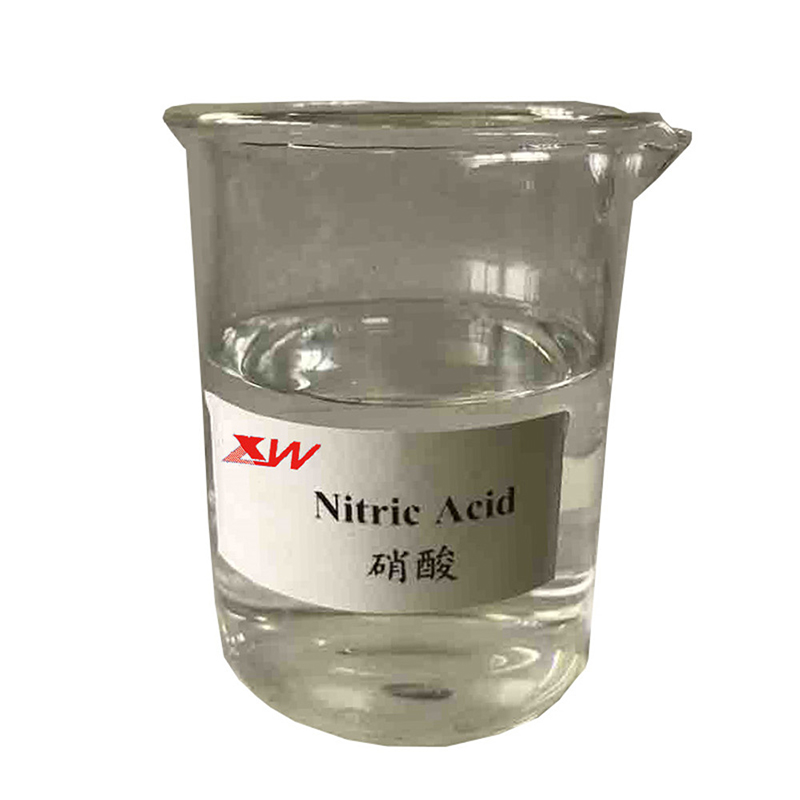
Improper chemical storage creates major business problems worldwide. It remains the absolute leading cause of preventable chemical incidents. These errors trigger massive regulatory fines from governing bodies. They also cause extensive facility damage. We must prioritize proper isolation strategies. You cannot simply place bottles on a random storage shelf. Segregation prevents disasters.
Incompatibility risks remain exceptionally high. You must enforce strict isolation protocols for nitric acid. Never store it near acetic acid. Keep it completely away from alcohols, solvents, and combustible materials. Bases demand complete physical separation. Mixing these incompatible compounds triggers violent exothermic reactions. These reactions rupture containers violently. They spray corrosive liquids everywhere. They generate deadly gas clouds instantly.
Facilities need regular, thorough infrastructure evaluation. Let us examine three core components of a proper setup. You must address these proactively.
Secondary Containment: Assess your current storage basins carefully. You must use containment trays made from compatible materials. They capture dangerous leaks before major reactions occur. Ensure the tray volume exceeds the largest stored bottle. Many safety experts recommend holding 110% of the largest container's volume.
Targeted Ventilation: Corrosive vapors accumulate quickly indoors. You must install high-quality fume hoods. Targeted local exhaust ventilation is mandatory. Standard room air circulation fails completely to remove heavy NOx fumes. Continuous ventilation prevents toxic gas pockets from forming.
Cabinet Material Selection: Not all cabinets survive strong oxidizers. Avoid certain structural metals and standard plastics. They degrade, rust, or melt rapidly. Specify cabinets constructed exclusively from high-density polyethylene (HDPE). Structurally coated, acid-resistant metals also perform well. Avoid wooden cabinets entirely.
Responding to emergency spills requires exact, rehearsed methodologies. Using standard absorbents creates massive implementation risks. A common operational failure involves using generic organic materials. Frightened operators often grab sawdust, paper towels, or generic spill pads. Applying these to spilled HNO₃ causes rapid spontaneous combustion. You turn a manageable chemical leak into an active, dangerous fire. Never use standard clay litter either.
You must procure specific dry neutralizers instead. Sodium carbonate works exceptionally well. Sodium bicarbonate-based products also neutralize the liquid safely. These specialized products are designed strictly for oxidizing acids. They neutralize the aggressive pH. Furthermore, they absorb the liquid without fueling a secondary fire. Keep large buckets of these neutralizers adjacent to your main storage zones.
Personal Protective Equipment (PPE) demands careful consideration. A generic cotton lab coat offers zero protection here. The acid eats through cotton in seconds. Spills require a specific tier of heavy defensive gear. You must dress properly before approaching a leak.
Heavy-duty acid-resistant aprons made from specialized polymers.
Full-face shields to prevent catastrophic splash blindness.
Extended neoprene or heavy nitrile gloves reaching the elbows.
Self-Contained Breathing Apparatus (SCBA) for any fuming acid release or large indoor spill.
You must establish verifiable response protocols. Define exactly when to manage a spill internally. Small benchtop leaks might allow safe local containment. Large drum ruptures demand immediate Hazmat evacuation. Post these rules clearly near all handling stations. Train your staff to recognize the exact threshold for mandatory evacuation. Protect human life first.
Maintaining strict regulatory compliance keeps your workforce safe. It also establishes an authoritative baseline for indoor air quality evaluation. We must respect established exposure limits. The NIOSH Recommended Exposure Limit (REL) stands firmly at 2 ppm. OSHA enforces a Permissible Exposure Limit (PEL) of 2 ppm over an 8-hour shift. If your facility air quality falls below these standards, you face severe legal repercussions. More importantly, you endanger employee lives daily. Install continuous gas detectors to monitor baseline levels.
Right-to-Know regulations require immaculate documentation. You must maintain continually updated Safety Data Sheets (SDS). Print them clearly. Store them physically near the workstations. Do not hide them inside a manager's office. Furthermore, general chemical safety training falls completely short. You must ensure all personnel receive highly specific training for handling nitric acid. They need to deeply understand its unique oxidizing behaviors. They must know the specific symptoms of vapor inhalation.
First aid readiness separates minor accidents from major tragedies. Review your critical site-level requirements today. Emergency eyewash stations require specific proximity to work zones. They must sit within a 10-second walking distance. Safety showers must deliver verifiable, continuous flow rates. Test these critical systems weekly. Keep a maintenance log. Massive amounts of water remain the only immediate defense against severe skin contact. Flush affected areas for at least 15 minutes.
Operations managers must take decisive, immediate action. Start by auditing your current chemical inventory carefully. Cross-reference your existing spill response kits. Do they explicitly state compatibility for strong oxidizing acids? Read the labels. If they contain standard polypropylene pads or unknown granular clay, remove them immediately. Replace them safely. Never gamble on emergency supplies.
Next, thoroughly review your Standard Operating Procedures (SOPs). Scrutinize every lab, cleaning, and manufacturing protocol. Ensure your procedures explicitly forbid mixing HNO₃ with organic solvents. You cannot allow this without strict engineered safeguards. Human error during manual mixing causes devastating, lethal explosions. Mandate secondary sign-offs for complex dilution processes.
Finally, initiate targeted procurement actions. Identify every physical gap in your safety ecosystem. Do you lack adequate heavy-duty PPE? Are neutralizing agents expired or clumped together? Do your secondary containment vessels show hairline cracks? Prioritize industrial vendors who supply certified, oxidizer-safe materials. Upgrading these components prevents catastrophic operational failures. Do not wait for a regulatory inspection to upgrade.
While nitric acid proves undeniably dangerous, competent operators can manage these risks successfully. Success requires installing the absolutely correct infrastructure. It also demands strict, unyielding procedural adherence from every team member on the floor.
Here are your critical next steps:
Audit all storage cabinets for incompatible materials immediately.
Replace generic spill kits with certified oxidizer neutralizers.
Verify ventilation systems meet strict OSHA exposure limits using modern air monitors.
Test safety showers and eyewash stations for proper, sustained flow rates.
Take action today to protect your facility and your people. Conduct a comprehensive facility safety audit this week. Consult experienced chemical containment specialists to upgrade your site's spill response and secure your storage solutions effectively.
A: The acid itself is not flammable. However, it acts as an incredibly strong oxidizer. When it contacts organic materials like wood, paper, or standard cloth, it supplies oxygen rapidly. This aggressive reaction causes the materials to spontaneously combust. You must strictly isolate it from all combustible items.
A: Contact causes severe chemical burns instantly. The skin immediately turns yellow due to a fast reaction with proteins. Deep tissue damage follows rapidly. If exposed, you must begin immediate, prolonged flushing using an emergency safety shower. Continuous water application remains critical to halt the corrosive tissue destruction.
A: Diluting this chemical triggers a powerful exothermic reaction. It releases massive amounts of heat instantly. If you pour water into the acid, the mixture boils explosively. It will splash boiling, corrosive liquid everywhere. Always follow the correct protocol: slowly add the acid into the water while stirring.
A: No. Standard kits often utilize organic absorbents or generic polymers. Applying these to an oxidizing acid creates an extreme fire hazard. They can spontaneously combust upon contact. You must procure specialized dry neutralizers, like sodium carbonate, designed specifically to handle strong oxidizers safely.


