
Views: 0 Author: Site Editor Publish Time: 2026-06-10 Origin: Site


Eggshells primarily consist of calcium carbonate (CaCO₃) encasing a thin, semi-permeable inner organic membrane. Introducing nitric acid to this structure initiates a rapid and visually striking acid-base reaction. It breaks down the solid calcium carbonate into aqueous calcium nitrate, carbon dioxide gas, and water. While educators frequently use this reaction as a foundational chemistry demonstration, understanding this specific mechanism carries broader industrial importance.
Laboratory managers, agricultural material processors, and chemical procurement teams must routinely evaluate how strong acids interact with organic-laced carbonates. Analyzing these reaction outputs provides valuable operational insights into purification and scaling. In this guide, you will learn the precise chemical mechanisms driving this breakdown. We will assess concentration requirements to optimize your yields and minimize hazards. Finally, we will outline the safety compliance guidelines and procurement criteria needed to successfully manage this type of chemical dissolution.
Core Reaction: The primary chemical equation is CaCO₃ + 2HNO₃ → Ca(NO₃)₂ + H₂O + CO₂.
Observable Outcomes: Immediate effervescence (bubbling) occurs due to CO₂ release, followed by the complete dissolution of the hard shell, leaving only the intact organic membrane.
Concentration Matters: Dilute nitric acid yields clean calcium nitrate; concentrated nitric acid risks hazardous side reactions with the organic membrane (releasing toxic nitrogen dioxide gas).
Commercial Viability: The resulting compound, calcium nitrate, is highly valued in commercial agriculture and wastewater treatment, making this reaction a proxy for larger-scale calcium extraction processes.
Organizations processing raw calcium carbonate face a recurring challenge. They often need to extract pure calcium salts while simultaneously managing stubborn organic impurities. The eggshell reaction serves as a perfect micro-scale model for solving this operational hurdle.
When you introduce HNO₃ to calcium carbonate, precise stoichiometry dictates the outcome. The balanced equation reads: CaCO₃ + 2HNO₃ → Ca(NO₃)₂ + H₂O + CO₂. The mechanism unfolds in two distinct phases. First, the acid reacts with the carbonate to form an unstable intermediate known as carbonic acid (H₂CO₃). Almost instantly, this intermediate decomposes. It breaks apart into liquid water and gaseous carbon dioxide.
You will notice immediate physical evidence of this transformation. Rapid effervescence occurs as the carbon dioxide escapes the solution. The liquid mildly heats up due to the exothermic energy release characteristic of strong acid-base interactions. As the rigid calcified exterior dissolves into the solution, the semi-permeable eggshell membrane remains remarkably intact. It resists immediate acidic degradation, floating in the newly formed calcium nitrate solution.
A successful reaction achieves complete calcification breakdown. It leaves the underlying organic membrane entirely unoxidized. Achieving this relies heavily on controlling your inputs.
Best Practice: Always crush the eggshell before submersion. Increasing the surface area dramatically speeds up the reaction rate and ensures thorough dissolution.
Common Mistake: Pouring acid over whole, unbroken shells traps CO₂ bubbles underneath the dome of the shell. This artificially slows the dissolution and requires constant physical agitation to resolve.
Concentration fundamentally alters the reaction pathway. You must choose between dilute and concentrated solutions carefully to match your specific operational goals. The concentration dictates both the speed of the breakdown and the chemical safety of the environment.
Dilute solutions provide a highly controlled, predictable reaction rate. Educators, laboratory researchers, and small-batch processors prefer this method. It safely isolates pure aqueous calcium nitrate without triggering unwanted secondary reactions. You avoid noxious byproducts completely, making it the safest route for observing the dissolution of the mineral matrix.
Conversely, concentrated applications present severe high-risk scenarios. A concentrated solution accelerates the initial dissolution drastically. However, it quickly triggers the xanthoproteic reaction. The strong acid attacks the aromatic amino acids within the eggshell's organic membrane. It turns the proteins a distinct, bright yellow. Worse, this aggressive oxidation off-gasses highly toxic nitrogen dioxide (NO₂) gas. You can instantly spot this danger by the emergence of heavy, reddish-brown fumes above the beaker.
Use the following decision matrix chart to match your acid concentration to your desired operational outcome.
Concentration Level | Dissolution Speed | Byproduct Risks | Membrane Integrity | Operational Fit |
|---|---|---|---|---|
Dilute (< 10%) | Moderate / Controlled | Minimal (Only CO₂ gas) | Intact / Unstained | Educational Demos, Pure Yields |
Concentrated (> 60%) | Rapid / Aggressive | High (Toxic NO₂ Gas) | Yellowed / Degraded | Industrial Protein Oxidation |
The primary byproduct of this reaction—calcium nitrate—holds massive commercial utility. Understanding how to generate it efficiently translates directly into scalable industrial practices. The features of this simple benchtop reaction map surprisingly well to large-scale chemical manufacturing.
In the agricultural sector, calcium nitrate serves as a premium, highly soluble fertilizer. It provides readily available nitrogen and calcium to crops simultaneously. Plants absorb it instantly without needing soil conversion. Scaling this specific acid-carbonate interaction mimics the core processes of industrial fertilizer manufacturing. Producers rely on this exact chemical pathway to synthesize high-grade nutrients.
Wastewater treatment facilities also rely heavily on this compound. Municipalities inject calcium nitrate into sewer systems to control odor emissions. It biologically prevents the formation of hazardous hydrogen sulfide gas. Furthermore, the commercial construction sector leverages it as a powerful setting accelerator for pouring concrete in cold weather environments.
However, scaling this exact eggshell model presents distinct logistical constraints. Using raw, organic-laced shells limits large-scale efficiency. Sorting and filtering the remaining protein membranes slows down continuous batch processing. Because of this bottleneck, industrial facilities vastly prefer using purified, mined limestone over biological waste. Utilizing mined calcium carbonate avoids complex membrane management entirely, allowing for uninterrupted production cycles.
Handling strong reactive chemicals demands strict environmental controls. Whether you operate a small educational laboratory or a large batch-processing facility, safety remains paramount. Implementing proper protocols ensures safe operations and regulatory compliance.
You must utilize proper fume extraction systems. Fume hoods become absolutely mandatory if your concentration levels pose any risk of NO₂ off-gassing. Reddish-brown nitrogen dioxide vapors cause severe respiratory distress and chronic lung damage. Adequate ventilation pulls these dense fumes away from operators safely and scrubs them before environmental release.
Standardize your personal protective equipment (PPE) before attempting this dissolution. Strict adherence to barrier protection prevents severe chemical burns.
Wear heavy-duty, acid-resistant nitrile or neoprene gloves during all handling.
Equip splash-proof chemical safety goggles to protect against effervescent splattering.
Use a rubberized laboratory apron during transfers to prevent clothing contamination.
Store chemicals in dedicated, ventilated corrosive cabinets.
Keep your supplies strictly segregated. Never store corrosive acids near reducing agents, flammable organics, or strong bases. Doing so risks spontaneous violent reactions.
Finally, adhere tightly to OSHA and EPA guidelines for corrosive liquid handling. You must install specialized spill containment pallets beneath all bulk storage drums. Ensure you neutralize any acidic waste before final disposal into municipal systems. Applying a weak base, like sodium bicarbonate, safely neutralizes benchtop spills and leftover reactants.
Procurement teams face critical choices when sourcing chemicals for material testing or production. You must evaluate potential suppliers on several key dimensions to ensure production success and safety compliance.
First, validate the purity and grade. You must match the chemical grade to your specific application. Technical grade suffices for basic wastewater treatment processing or rudimentary demonstrations. However, strict analytical tasks require ACS reagent grade. Opting for higher purity prevents unwanted trace metal contamination from ruining your final calcium nitrate yield.
Next, evaluate your supplier's transport and packaging compliance carefully. Sourcing industrial chemicals requires meticulous attention to supply chain logistics.
Verify the supplier's strict adherence to Department of Transportation (DOT) regulations for corrosive transport.
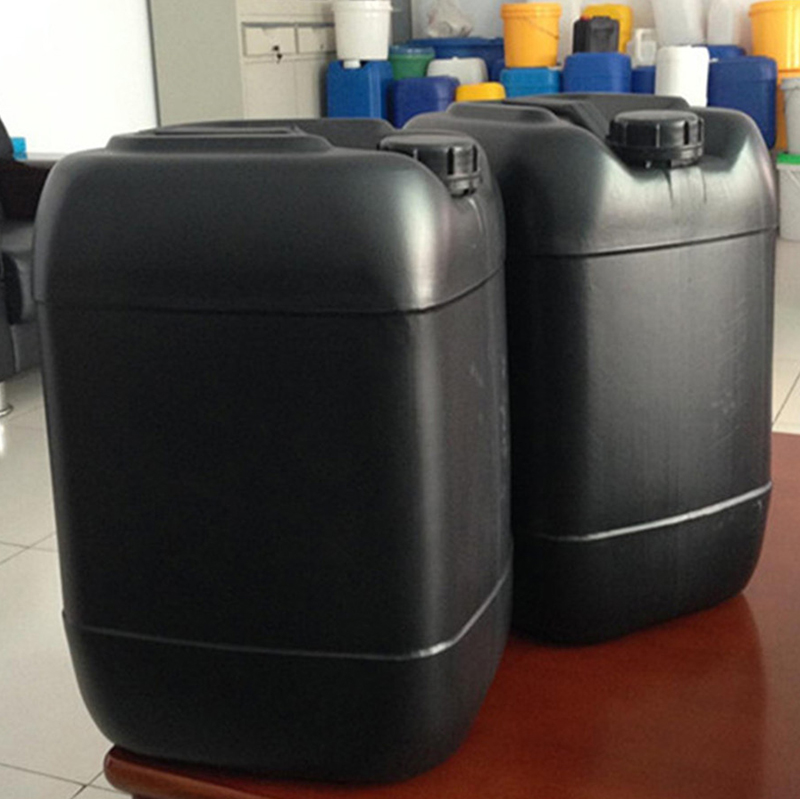
Assess packaging integrity. Ensure they use specialized high-density polyethylene (HDPE) drums or Teflon-coated glass bottles depending on concentration.
Confirm the supplier's capacity for safe, reliable bulk delivery and offloading.
Review their incident response protocols in the event of transit spills.
Never commit to bulk contracts blindly based on price alone. Always request a detailed Certificate of Analysis (CoA) for your specific batch. The CoA confirms the exact assay percentage and details trace impurities. Conduct small-scale bench tests first. This hands-on validation proves the supplier's concentration claims before you scale up your full operations.
The reaction between an eggshell and acid presents a fascinating chemical duality. It represents a straightforward, predictable carbonate breakdown. Yet, it demands precise concentration control to prevent dangerous organic oxidation. We have explored how dilute solutions yield clean, safe results, while concentrated applications introduce severe toxic risks to your laboratory environment.
While dissolving a simple eggshell serves as a basic educational principle, the underlying realities remain complex. Handling these volatile materials, maintaining safety compliance, and executing proper procurement represent serious operational decisions. You must implement strict ventilation, standardize PPE usage, and evaluate your supply chain rigorously to succeed.
Take action now to refine your internal chemical processes. Review your current laboratory safety protocols today to ensure total compliance. Consult with certified chemical distributors to source the exact grade of acid necessary for your specific material processing requirements.
A: Carbon dioxide (CO₂) is the primary gas released, causing the visible bubbling. If concentrated acid is used, toxic nitrogen dioxide (NO₂) gas may also be produced due to the reaction with organic material.
A: The chemical reaction only targets the calcium carbonate. The semi-permeable organic membrane remains intact, though it may be stained yellow if high-concentration acid oxidizes the proteins.
A: CaCO₃ + 2HNO₃ → Ca(NO₃)₂ + H₂O + CO₂.
A: Yes, the acid-base reaction releases a moderate amount of heat as the calcium carbonate dissolves.
A: Conceptually, yes. The reaction produces aqueous calcium nitrate, a standard nitrogen-calcium fertilizer, though industrial production uses mined limestone rather than eggshells for efficiency and purity.


