


What exactly are you buying when you order a drum of this powerful chemical? Nitric acid is a highly corrosive mineral acid. It contains hydrogen, nitrogen, and oxygen.
In industrial and laboratory settings, pure anhydrous acid is exceptionally rare. What you actually purchase depends on several factors. Aqueous concentration, dissolved gases like nitrogen dioxide, and trace impurities define the final commercial product.
Selecting the wrong grade carries serious consequences. Overlooking trace impurities often leads to failed chemical reactions. It can easily compromise delicate manufacturing processes, including semiconductor etching or metal passivation. Poor specification also triggers severe safety and compliance violations on the factory floor.
Our goal here is straightforward. We provide a technical breakdown of HNO₃ composition. We evaluate various commercial grades available on the market. Finally, we outline strict criteria for shortlisting and procuring the right specification for your unique application.
Chemical Reality: Commercial nitric acid is an aqueous solution (HNO₃ + H₂O); pure anhydrous nitric acid is highly unstable and rarely used.
Grade Dictates Composition: What is "in" your nitric acid ranges from 68% concentration (azeotropic/commercial grade) up to 98%+ (fuming grades), with varying levels of dissolved nitrogen dioxide (NO₂).
Impurity Risks: Evaluating a supplier’s Certificate of Analysis (CoA) for heavy metals, chlorides, and sulfates is critical for high-precision applications like microelectronics or analytical chemistry.
Compliance & Storage: Procurement must account for strict EPA/OSHA compliance, requiring specialized storage (segregated from organics) and stringent shipping protocols.
Understanding the chemical foundation prevents costly application errors. The molecular structure is straightforward. One hydrogen atom, one nitrogen atom, and three oxygen atoms combine. They form the basic acid molecule.
However, you will rarely encounter this chemical in its pure state. Commercially available nitric acid is almost always an aqueous solution. Water plays a crucial role in stabilization. Standard technical-grade applications rely on an azeotropic mixture. This specific mixture contains 68% acid and 32% water. It boils at a constant temperature, maintaining a highly stable concentration during operations.
You might notice color changes in older chemical supplies. This visual shift indicates chemical breakdown. Over time, ambient heat and light exposure trigger molecular decomposition. The solution breaks down into nitrogen dioxide (NO₂), water, and oxygen. Dissolved NO₂ gas stays trapped in the liquid phase. This trapped gas gives older or fuming solutions a distinct yellow or red tint. Operators must monitor these color changes closely. A darker red color indicates higher internal pressure and increased chemical reactivity.
Buying the right chemical requires matching the grade to your exact operational needs. Concentration levels dictate both performance outcomes and handling requirements.
This is the standard aqueous solution found across heavy industry. Manufacturers use it extensively for bulk industrial operations. It serves as a foundational ingredient for fertilizer production, specifically ammonium nitrate. Metalworking facilities also use this grade for basic cleaning tasks. It offers reliable performance for non-critical applications where high purity is unnecessary.
Precision applications demand tighter chemical controls. Reagent grade features highly controlled impurity limits. The American Chemical Society (ACS) verifies these strict purity standards. Laboratories rely on this specification for analytical testing and sample preparation. Manufacturers use it for precision metal passivation. It guarantees predictable results in highly sensitive environments.
WFNA pushes concentration to extreme limits. It contains a maximum of 2% water. Dissolved NO₂ levels remain strictly under 0.5%. Because it is highly concentrated, producers often add specific stabilizers. It serves highly specialized chemical synthesis processes. Explosives manufacturing and rocket propellant production rely heavily on WFNA.
This aggressive grade carries extreme handling risks. RFNA contains significant amounts of dissolved NO₂, sometimes reaching up to 15%. This high gas content makes the liquid highly reactive and volatile. Aerospace sectors use it for niche propellant applications. Semiconductor fabrication plants sometimes rely on RFNA for aggressive material etching.
Grade | Concentration Range | Key Characteristic | Primary Application |
|---|---|---|---|
Technical / Commercial | 52% – 68% | Standard aqueous mixture | Fertilizers, bulk manufacturing |
Reagent / ACS | 68% – 70% | ACS verified purity | Lab testing, metal passivation |
White Fuming (WFNA) | 90% – 97.5% | Max 2% water, low NO₂ | Explosives, rocket propellants |
Red Fuming (RFNA) | 86% – 95%+ | Up to 15% dissolved NO₂ | Aggressive etching, aerospace |
Macro-concentration tells only half the story. Buyers must scrutinize trace elements to ensure process integrity. Evaluating a supplier’s Certificate of Analysis (CoA) is a mandatory procurement step. You must look beyond the main percentage and examine microscopic contaminants carefully.
Different impurities cause unique failure modes in your daily operations. Consider these common contaminants:
Chlorides and Sulfates: These elements often cause unwanted side reactions. They accelerate equipment corrosion and rapidly damage expensive stainless steel reactors.
Heavy Metals: Trace amounts of iron, copper, or lead are catastrophic for semiconductor manufacturing. Trace Metal and CMOS grades require parts-per-trillion purity. Even minor heavy metal spikes will destroy delicate microelectronic circuits during etching.
Particulate Matter: Visible particles indicate severe upstream manufacturing issues. They point to poor vendor filtration or degrading storage containers. You should immediately reject any batch showing visible suspended solids.
Fuming grades introduce another layer of complexity regarding chemical composition. Producers often add specific chemical stabilizers. They mix in hydrogen fluoride (HF) or iodine to create Inhibited Red Fuming Nitric Acid (IRFNA). These additives inhibit container corrosion during transport. However, you must evaluate how these stabilizers impact your downstream use. HF, for instance, introduces severe toxicity risks and alters standard etching behaviors.
You must understand the exact hazard profile before bringing this chemical on-site. HNO₃ carries a severe dual-hazard classification. It is not just a highly destructive corrosive substance. It is also a remarkably powerful oxidizer. This dangerous combination demands exceptional caution.
Strict Storage Requirements
Improper storage causes catastrophic facility accidents. You must strictly segregate this acid from organic compounds, bases, and reducing agents. Accidental mixing triggers spontaneous combustion or violent explosions. Implementing proper chemical containment is non-negotiable.
Follow these essential storage protocols:
Use dedicated, acid-resistant secondary containment for all primary storage vessels.
Install vented caps on containers to prevent dangerous NO₂ gas pressure buildup.
Store containers in cool, dark environments to slow natural chemical decomposition.
Regulatory and Environmental Impact
Industrial use triggers strict environmental oversight from regulatory bodies. The EPA mandates detailed reporting for nitrogen oxide (NOx) emissions. You must capture and treat these toxic fumes before atmospheric release. Furthermore, OSHA enforces rigorous workplace exposure limits (PEL). Facilities must install specialized local exhaust ventilation systems.
PPE Limitations
Standard safety gear fails against strong liquid oxidizers. Typical nitrile or latex laboratory gloves offer insufficient protection. The acid will quickly burn through standard materials. Operators require specialized protective gear. Depending on contact time, you must supply butyl rubber or neoprene gloves. Face shields, acid-resistant aprons, and chemical splash goggles are mandatory for all handling tasks.
Sourcing the right chemical requires a strategic and informed approach. You must evaluate suppliers based on technical competence and supply chain reliability.
Purity-to-Process Match
First, align the purity specification to your actual operational process. Avoid the common mistake of over-specifying. Paying a premium for ACS grade makes no business sense when standard Technical grade suffices. Conversely, never under-specify your chemical requirements. Buying cheap technical grades for sensitive analytical work risks total batch contamination.
Packaging and Logistics
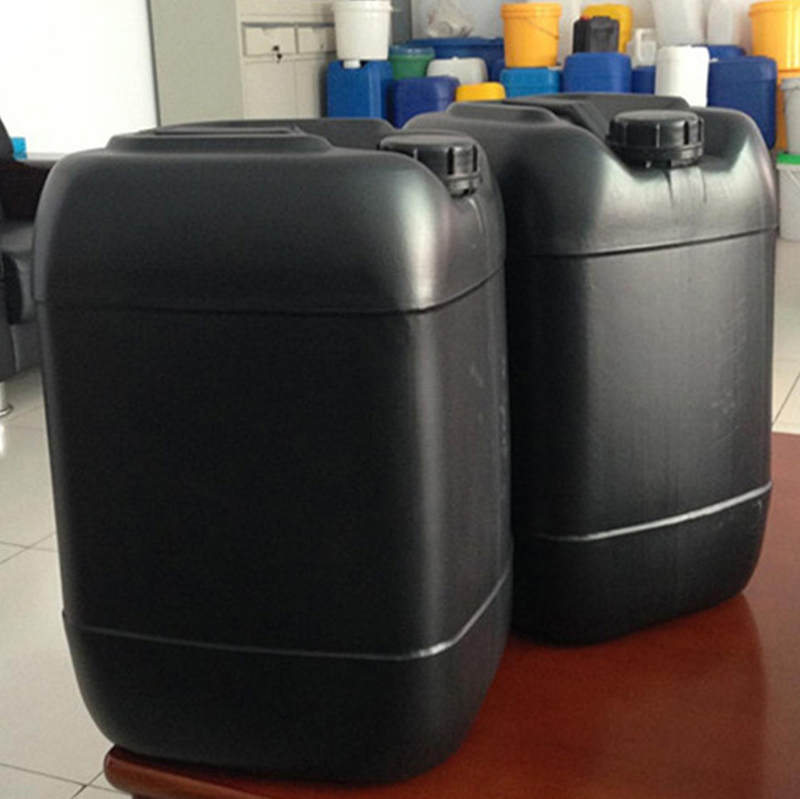
Next, evaluate vendor capabilities for safe transport. The packaging material must match the concentration level. Are they using poly-coated glass bottles for small laboratory quantities? Do they utilize specialized stainless steel or HDPE totes for bulk deliveries? Incorrect packaging leads to dangerous leaks and transportation emergencies.
Documentation Transparency
Trustworthy vendors provide immediate access to critical chemical documentation. Shortlist suppliers who supply batch-specific CoAs without hesitation. They must offer up-to-date Safety Data Sheets (SDS) reflecting current safety regulations. Clear, compliant GHS labeling on all exterior containers is an absolute requirement.
Shelf-Life Guarantees
Finally, consider natural chemical degradation over time. Nitric solutions continuously degrade and build up NO₂ gas. You must evaluate potential suppliers on their warehouse inventory turnover rates. Demand guaranteed delivery stability. You do not want to receive stock nearing the end of its safe operational shelf life.
Knowing what is inside your chemical supply changes how you operate safely. It means fully understanding the delicate balance of active acid, water, dissolved gases, and trace impurities. Overlooking these variables leads to rapid process failures and dangerous workplace incidents.
We strongly recommend aligning your procurement directly to your specific operational tolerances. Always demand comprehensive Certificates of Analysis from your suppliers. Prioritize vendors demonstrating rigorous safety standards and proven supply-chain track records. High-quality documentation is just as important as the chemical itself.
Take immediate action to secure your facility's operations. Review your current process specifications today. Audit your existing supplier’s delivery documentation. If you experience unexpected reaction outcomes, consult a chemical engineer immediately for professional grade optimization.
A: Nitric acid is highly restricted and generally absent from standard consumer household cleaners. This restriction exists due to its severe reactivity and oxidizer status. It is primarily restricted to industrial, agricultural, and professional laboratory environments. You will rarely find it on a commercial grocery store shelf.
A: The yellow tint is caused by the presence of dissolved nitrogen dioxide (NO₂). This gas occurs naturally as the chemical solution decomposes over time. Exposure to ambient light and elevated heat accelerates this breakdown process, trapping more gas inside the liquid.
A: The standard CAS number is 7697-37-2. Always verify this specific number on your procurement documents and Safety Data Sheets. Checking the CAS number ensures accurate chemical identification and prevents dangerous purchasing mix-ups.
A: Never add water directly to the acid. The reaction is highly exothermic and causes violent, dangerous splattering. If dilution is required, you must slowly and carefully add the acid to a larger volume of water. Always remember the laboratory rule: "Add acid to water, like you oughta."


