
Views: 0 Author: Site Editor Publish Time: 2026-06-12 Origin: Site


We define nitric acid strictly as a highly corrosive, strong mineral acid. It remains fundamentally tied to heavy industry, modern manufacturing, and advanced chemical synthesis worldwide. The underlying chemical formula stays constant across every industrial sector. However, your specific application dictates the required liquid concentration, overall purity, and strict handling protocols. Facility managers and procurement teams face tight regulatory guidelines when securing this highly reactive material. Navigating these complex compliance parameters is essential for daily operational safety. It also guarantees consistent end-product quality on the production line. This article outlines the primary commercial applications of HNO₃ to guide your purchasing decisions. We provide a clear decision framework for specifying the precise chemical grade required. You will learn how to manage workplace compliance effectively. We also offer practical guidance on evaluating and shortlisting reliable chemical suppliers for your exact operational demands.
Volume Driver: The production of ammonium nitrate for agricultural fertilizers accounts for the vast majority of global HNO₃ consumption.
Critical Industrial Uses: Essential for metal finishing (pickling), specialized cleaning (CIP), and as a precursor for polymers and explosives.
Specification Matters: Selecting between commercial grade (typically 68%) and fuming grades (90%+) is the most critical factor in application success and risk management.
Sourcing Criteria: Supplier evaluation must prioritize stringent logistics, Certificate of Analysis (COA) availability, and compliant packaging capabilities.
You must match your industrial process directly to the specific chemical action desired. The chemical functions primarily through rapid oxidation, deep nitration, or direct acidification. Understanding these precise reaction pathways ensures optimal manufacturing results. It prevents costly material degradation on your production floor.
Industrial fertilizer production consumes the largest volume of this chemical globally. Manufacturers initiate a direct neutralization reaction involving liquid ammonia. They react these two aggressive chemicals under strictly controlled thermal conditions. This specific application yields massive volumes of ammonium nitrate.
The outcome creates highly scalable, high-nitrogen fertilizers. Modern agriculture relies heavily on these compounds to sustain global food supplies. The reaction itself requires immense precision and sophisticated cooling infrastructure. Poor temperature control can trigger dangerous runaway reactions. Plant operators monitor these parameters continuously to ensure consistent yields.
Metalworking facilities frequently rely on acidic blends for advanced surface treatment. Technicians blend the acid alongside hydrofluoric acid for heavy industrial use. They deploy this potent mixture to remove thick oxide scale and surface impurities. It cleans stainless steel and titanium alloys incredibly effectively.
The outcome prevents localized corrosion down the line. It prepares raw metal surfaces for final finishing, intricate welding, or commercial deployment. A common mistake involves improper dilution ratios. Incorrect blends will pit the metal surface aggressively. This ruins the component entirely and generates hazardous waste.
Chemical manufacturing plants utilize complex nitration pathways for advanced synthesis. The acid acts as a vital precursor for producing adipic acid. It also drives the production of toluene diisocyanate (TDI). Both compounds represent critical building blocks in modern chemistry.
The outcome forms an essential raw material pathway. It enables the mass manufacturing of nylon, durable polyurethanes, and various commercial plastics. You interact with these downstream polymers daily. They appear in automotive seating, household textiles, and rigid foam insulation.
The defense and mining sectors demand strict nitration processes for organic compounds. Chemists use highly concentrated grades to manufacture TNT, RDX, and similar energetic materials. This application requires absolute environmental control and extreme purity.
The outcome provides strict military-grade ordnance and commercial mining explosives. Safety protocols here remain uncompromising. Facilities implement rigorous temperature monitoring to prevent premature detonation. Standard operating procedures dictate remote handling and heavily armored processing bunkers.
Beyond bulk commercial manufacturing, niche industries leverage specific reactive properties. These applications require exact concentrations and exceptional quality control.
Plant sanitation requires highly reliable descaling agents to maintain hygiene. Maintenance teams utilize it extensively within Clean-in-Place (CIP) protocols. They circulate dilute acid solutions through enclosed stainless pipes and massive storage vats. The application successfully removes precipitated calcium, hardened magnesium, and tough hard-water scale.
The outcome ensures strict sanitary compliance across the entire facility. It protects expensive equipment longevity without leaving any toxic chemical residues behind. Dairy facilities particularly favor this method to dissolve stubborn milk stone deposits. It outperforms many standard alkaline cleaners in mineral removal.
Professional metallurgists depend on specific acid combinations to process noble metals. They combine it carefully alongside concentrated hydrochloric acid. This specific mixture forms aqua regia, a famously potent industrial solvent. Alternatively, they use the acid alone to dissolve unwanted base metal impurities from raw ore.
The outcome enables the reliable recovery of highly valuable materials. It facilitates the parting and purification of raw gold, commercial silver, and platinum group metals. Refineries utilize these techniques to achieve 99.99% purity levels for bullion production.
Rocket engineering requires incredibly powerful, stable oxidizing agents. Aerospace engineers utilize red fuming nitric acid (RFNA) for legacy propulsion systems. They also specify white fuming nitric acid (WFNA) for specific advanced orbital applications. These chemicals serve as primary oxidizers inside liquid-fueled rockets.
The outcome delivers crucial hypergolic propulsion capabilities for specialized engineering missions. These propellants ignite spontaneously upon physical contact inside the combustion chamber. They provide highly reliable thrust for deep space probes and rapid-response defense missiles.
How do you match exact concentration and purity to your specific process requirements? Selecting the wrong grade wastes significant resources and introduces severe workplace hazards. You must evaluate your chemical needs across several primary operational dimensions.
Grade Classification | Typical Concentration | Primary Industrial Applications | Key Visual/Physical Characteristic |
|---|---|---|---|
Commercial Grade | 67% - 68% | Fertilizer production, CIP cleaning, general metal pickling | Clear to slightly yellow liquid, functions as a highly stable azeotrope |
Fuming Grade (WFNA/RFNA) | 90% - 99% | Aerospace propulsion, high-yield explosive nitration processes | Emits dense white or reddish-brown toxic nitrogen dioxide fumes |
High-Purity / Trace Metal | 65% - 70% (Ultra-pure) | Semiconductor fabrication, precision analytical laboratory testing | Strictly controlled for parts-per-billion (ppb) metal contaminants |
Commercial Grade (Approx. 68%): This represents the standard azeotropic mixture. Chemical distributors supply this bulk liquid globally due to its transport stability. It works exceptionally well for general manufacturing tasks. You will deploy it for routine CIP cleaning protocols and standard ammonium nitrate production.
Fuming Nitric Acid (90% to 99%): This grade remains highly concentrated and highly volatile. It is visually characterized by aggressive, dissolved nitrogen dioxide fumes. You require this potent version exclusively for advanced nitration processes. Explosives manufacturing and specialized aerospace propulsion applications demand these extreme concentration levels.
Trace Metal Limits: Precision technology industries demand exceptional chemical purity. Specifying extremely low trace-metal impurities is absolutely critical for modern semiconductor manufacturing. Microchip fabrication fails instantly if microscopic metal contaminants reach the silicon wafer. Analytical laboratory testing also requires these ultra-pure grades to prevent false baseline readings during parts-per-billion analysis.
Handling highly corrosive oxidizers introduces massive operational liabilities. Facilities must design robust engineering controls to mitigate constant exposure risks. You cannot treat this chemical like standard industrial solvents.
Material Compatibility: Storing aggressive oxidizing acids presents major engineering challenges. You face strict material limitations based on exact concentration levels. Facilities typically require 304L or 316L stainless steel tanks for standard commercial grades. Specific high-density fluoropolymers like PTFE offer excellent chemical resistance for gaskets and piping. Standard industrial plastics, synthetic rubber, and common base metals degrade rapidly upon contact. They will fail catastrophically and trigger severe chemical leaks.
Handling Risks: Personnel face acute physical dangers during daily fluid transfers. Toxic gas emissions occur frequently when handling high concentrations. Nitrogen oxides (NOx) release immediately upon accidental reaction alongside organic materials. Direct light exposure also accelerates this toxic off-gassing. These reddish-brown fumes are highly toxic if inhaled. Workers must utilize specialized vapor recovery systems during transfers.
Regulatory Compliance: You must strictly adhere to local and federal safety mandates to maintain operational licenses.
GHS Classification: Global standards classify the material strictly as a Corrosive and an active Oxidizer. Proper warning labels are legally mandated.
EPA/OSHA Compliance: OSHA enforces strict workplace exposure limits (PEL), typically capped at 2 parts per million (ppm) over an eight-hour shift. Facilities must install robust secondary containment systems holding 110% of the largest tank volume.
Transport Regulations: Logistics teams must follow exact Department of Transportation (DOT) regulations. Proper hazardous material placarding requirements apply rigorously to all drums, IBC totes, and bulk tankers.
Transitioning from theoretical chemical requirements to secure procurement requires a highly structured approach. You need a reliable vendor prioritizing transport safety and batch consistency. Poor supplier selection disrupts production and invites regulatory scrutiny.
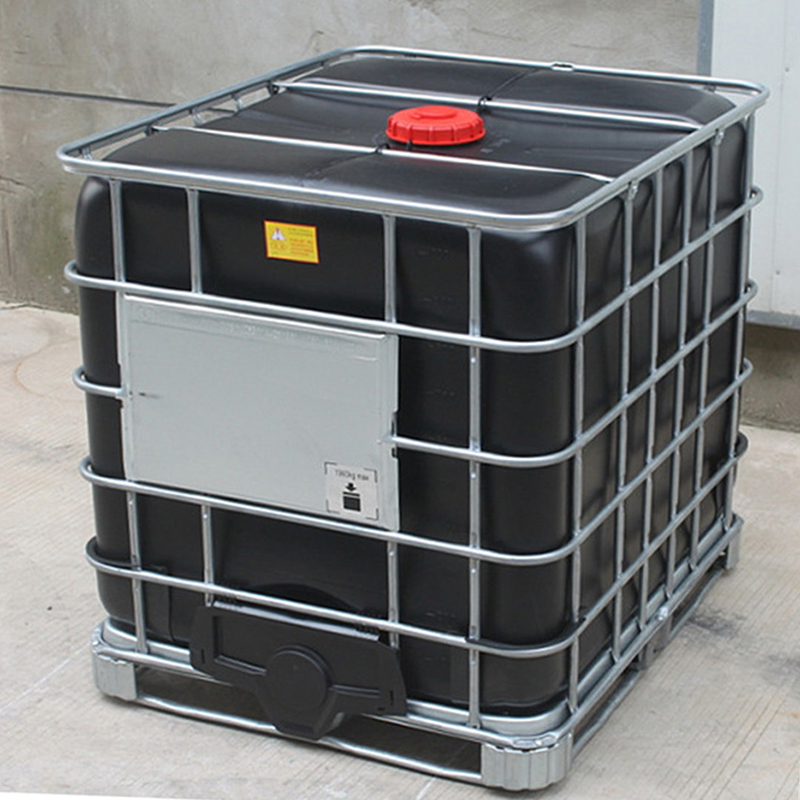
Analyze Packaging and Scalability: Assess the specific supplier capacity carefully. Can they deliver volumes matching your precise daily requirements? Small facilities might need standardized 55-gallon poly-drums for limited laboratory use. Scaling up operations requires 330-gallon IBC totes or massive bulk tanker deliveries. Ensure their transport fleet can navigate your unloading bay safely.
Demand Quality Assurance: You must establish a mandatory requirement for official documentation. Request batch-specific Certificates of Analysis (COAs) for every single delivery. These documents verify the exact nitric acid concentration percentage upon arrival. They also prove the limit of trace impurities matches your internal technical specifications. Do not accept generic specification sheets in place of actual batch testing.
Audit Supply Chain Resiliency: Sudden material shortages will shut down your production lines immediately. Evaluate average delivery lead times before signing any long-term contracts. Consider vendor geographic proximity to reduce transport risks and transit delays. A strong chemical vendor demonstrates a proven, incident-free track record in hazardous materials logistics.
Industrial HNO₃ serves as a highly versatile foundation for modern manufacturing. However, successful integration into your daily process relies entirely on precise grade selection. It also requires rigorous, uncompromising safety protocols. Selecting between standard 68% solutions and fuming grades dictates your entire facility engineering approach. Material compatibility errors lead directly to catastrophic equipment failure.
As a crucial next step, we strongly encourage buyers to review their exact concentration requirements internally. Audit your existing storage tanks and secondary containment facilities for strict material compatibility. Finally, contact a certified chemical distribution specialist directly. Request updated technical data sheets (TDS), current safety data sheets (SDS), or a formal procurement quote tailored to your facility.
A: The primary difference lies in the dissolved nitrogen dioxide (NO₂) content. White fuming grades are extremely pure, containing almost zero dissolved NO₂, but are less stable. Red fuming grades contain up to 15% dissolved NO₂, which creates a reddish-brown color. This addition increases the density and acts as a powerful oxidation catalyst, making it highly preferred for aerospace propulsion systems.
A: No, it cannot dissolve gold on its own. While it is a powerful oxidizer, gold is highly resistant to single-acid attacks. To dissolve gold, you must mix it directly with concentrated hydrochloric acid. This specific chemical combination creates aqua regia. The nitric component oxidizes the gold, while the hydrochloric component forms soluble chloride complexes.
A: Storage material selection depends heavily on the specific acid concentration. For standard commercial grades (up to 68%), 304L and 316L stainless steel are the industry standards. Glass and specific high-density fluoropolymers, like PTFE (Teflon), offer excellent resistance across all concentrations. Standard plastics like PVC or nylon degrade rapidly and must be strictly avoided.
A: Industrial spill response requires trained personnel wearing full-face acid respirators and chemical-resistant suits. Responders typically neutralize the spill using weak alkaline powders, such as soda ash (sodium carbonate) or agricultural lime. They apply the powder slowly from the edges inward to prevent aggressive splattering. The neutralization reaction generates significant heat and carbon dioxide gas.


